




Safe passage includes curbing unseen dangers
For the second year in a row, the school bus industry has been put on the defensive by nationally publicized research suggesting that school buses spe...
For the second year in a row, the school bus industry has been put on the defensive by nationally publicized research suggesting that school buses spew diesel exhaust that is harmful to the health of children in and around the bus. Last year, the Natural Resources Defense Council (NRDC) issued a report that suggested that children who ride buses are subjected to dangerous levels of diesel exhaust fumes. That “study” was performed using four old buses in notoriously smoggy Los Angeles. In addition, it was plain that the NRDC had a not-so-hidden agenda - to influence an impending vote on a proposed ban on the purchase of new diesel school buses in Southern California. As you might recall, the study was later discredited by more objective research. 2 blasts across the bow
Already this year, two studies have been released. The first was issued by Yale professor John Wargo and was brought to light on ABC’s “Good Morning America.” Wargo’s research produced findings similar to those of the NRDC, but he took the research one step further and measured pollution outside the bus. Based on his findings, Wargo suggested that school bus drivers reduce vehicle idling time by turning off their engines as soon as they reach school. He also recommended that riding times be minimized to reduce children’s exposure inside the bus. Both of these recommendations are reasonable. In fact, two states - Connecticut and New Hampshire - recently adopted anti-idling policies that will curb diesel exhaust emissions. In a separate study, the Union of Concerned Scientists reported that only six states and the District of Columbia ranked “ahead of the curve” in a national report card analyzing pollution threats from school bus fleets. Meanwhile, 23 states received a “middle of the road” ranking, and 21 states did poorly or flunked. Unlike Wargo’s research, this study wasn’t based on actual monitoring of air quality in or around buses. Instead, it used a statistical analysis of the makeup of bus fleets in each state to determine pollution levels. States with older fleets, such as California and Washington, fared worst. It’s not a particularly compelling study, but it does point out that many states are operating buses that should be replaced. Yes, more can be done
The proper response to these types of studies isn’t a blanket denial of their legitimacy. Yes, they are clearly biased against diesel and supportive of natural gas. More objective research is needed to determine whether a health hazard exists both inside and around the bus. Here’s what we do know: School transportation providers do a tremendous job in protecting children from bumps, bruises and more serious flesh-and-bone injuries. But I believe more could be done to protect them from the very real threat of air-borne contaminants. The keys to this effort will be to reduce idling times, which costs nothing and can be implemented right away, and to replace older buses with the technologically advanced vehicles that are available today from all of the school bus manufacturers. The second objective is much more problematic, given the state of the economy. Perhaps you can loosen your school board’s purse strings with the following message, corroborated by these two studies: Buying new school buses, whether they’re powered by diesel or alternative fuels, is good for the environment and sound public policy.
More Alternative Fuels
Bipartisan Bill Seeks to Extend Clean School Bus Program Through 2031
The proposed legislation would renew federal support for cleaner school buses as districts navigate funding uncertainty, rising fuel and infrastructure costs, and fleet replacement needs.
Read More →
Alt-Fuel Moves: Electric Bus Rollouts, Bidirectional Charging & Propane Growth
See which fleets are adding electric and propane school buses as districts and operators invest in charging infrastructure, bidirectional technology, and alternative-fuel expansion.
Read More →
Nobody Told Diesel Prices They Were Supposed to Come Down
With diesel prices surging, school bus fleets have new reason to stress-test fuel costs, consider diversification, and calculate what each route really costs to operate.
Read More →
Why Gasoline School Buses Are Making a Comeback
Gasoline is gaining ground in full-size school buses. See how today’s options stack up against diesel on cost, maintenance, emissions, performance, and more.
Read More →
EPA Opens $180M DERA Funding Round for Diesel Upgrades
The 2026 Diesel Emissions Reduction Act program seeks applications from eligible organizations to accelerate the retirement of legacy diesel vehicles.
Read More →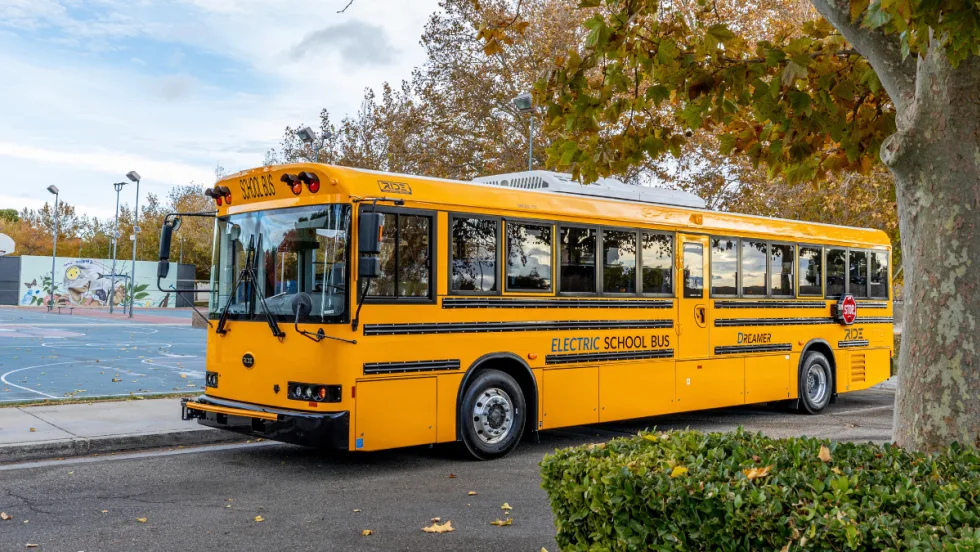
The Secret Life of an Electric School Bus Battery
Batteries change throughout years of daily routes, but degradation doesn’t necessarily mean the end. Here’s what operators should know about performance, safety, and second life.
Read More →
CALSTART and Forth Combine to Form Catalyst Mobility
The new name represents a renewed vision for the nonprofit focused on advancing clean, equitable, and affordable transportation solutions that move people and goods.
Read More →
Alt-Fuel Moves: New Buses, Charging Hubs & Real-World EV Testing
Propane and electric school bus deployments continue to grow as districts add new vehicles, expand charging infrastructure, and gather more real-world operating data.
Read More →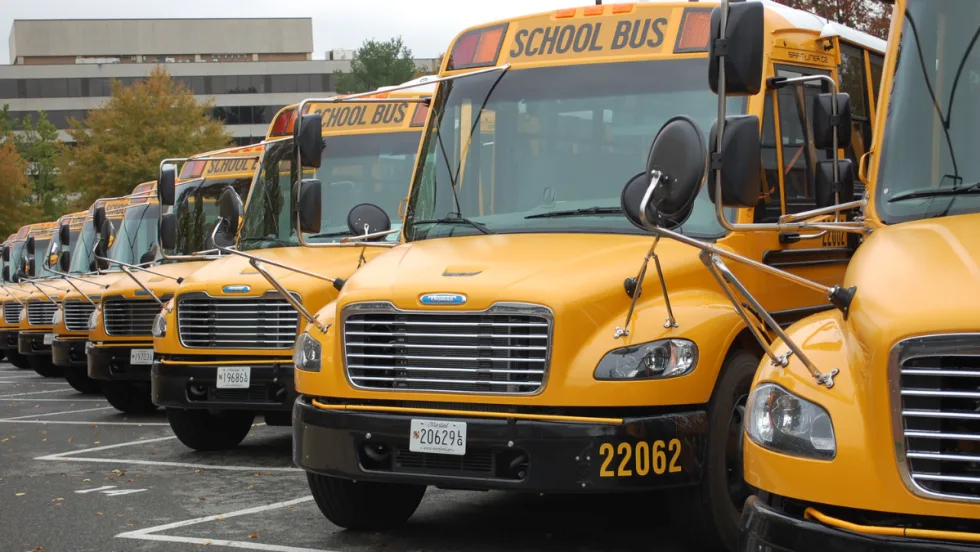
Fewer Electric School Bus Models Reshape the U.S. Market
WRI’s latest buyer’s guide points to a consolidating electric school bus market, but fewer options may reflect a maturing industry rather than fewer meaningful choices for school bus operators.
Read More →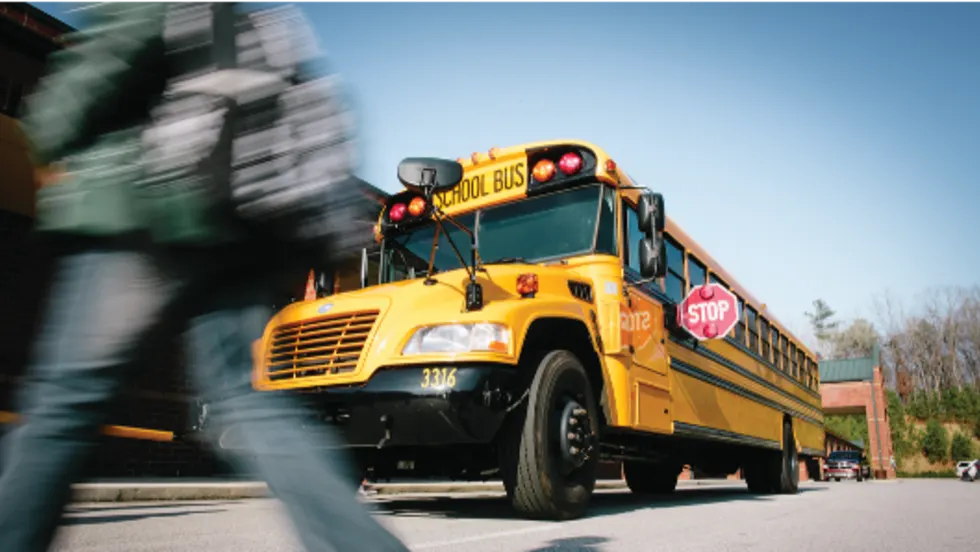
The Fuel Budget You Can Actually Predict: How Propane Autogas Keeps Money in the Classroom
Learn how propane autogas helps school districts manage fuel costs with predictable pricing, lower maintenance, and reduced emissions from former transportation director Joel Stutheit.
Read More →