




Related: Caley Edgerly Shares Committment to Optimize Technology for Greater Student Safety
Q & A: NAPT Speaker Steve McMahon Talks Risk Mitigation, Automation
The aviation and safety expert, who is helping the association kick off its “Zip. Zero. Nada. None.” campaign, discusses applying data for more proactive risk mitigation and human-machine teaming.

Nicole Schlosser・Former Executive Editor

Safety and aviation expert Steve McMahon is helping the National Association for Pupil Transportation kick off its safety campaign, “Zip. Zero. Nada. None.,” at its conference in Columbus, Ohio, on Nov. 2 as one of its keynote speakers. Photo courtesy The MITRE Corp.
5 min to read

Safety and aviation expert Steve McMahon is helping the National Association for Pupil Transportation kick off its safety campaign, “Zip. Zero. Nada. None.,” at its conference in Columbus, Ohio, on Nov. 2 as one of its keynote speakers. Photo courtesy The MITRE Corp.
Steve McMahon, the director of safety innovation for The MITRE Corp., is no stranger to transportation safety — except that instead of the road, his field of expertise is in the sky.
McMahon has spent over three decades in aviation, having spent a significant portion of that time working for the Federal Aviation Administration (FAA).
McMahon is helping the National Association for Pupil Transportation (NAPT) kick off its safety campaign, “Zip. Zero. Nada. None.,” at its conference in Columbus, Ohio, on Nov. 2 as one of the keynote speakers. Here, he tells School Bus Fleet about applying data for a more proactive approach to risk mitigation, human-machine teaming, and the opportunity to “solve problems for a safer world.”
1. What does The MITRE Corp. do, and what are your responsibilities?
MITRE is an independent and interdisciplinary research and development organization that works across the federal government to help it solve its most complex problems in defense, national security, cybersecurity, healthcare, aerospace, and transportation — where I work. We work in partnership with other public and private organizations.
As the director of safety innovation, my goal is to advance aerospace safety, security, and efficiency through the application of innovative practices and technologies such as machine learning, artificial intelligence, and smart systems capabilities. For instance, by fusing information from MITRE’s warehouse of safety data — which includes information from pilots, air traffic controllers, and the aircrafts themselves — we’ve enhanced our ability to identify aviation risks such as runway misalignment and risk of overrunning a runway. (That's when an aircraft trying to take off or land fails to become airborne before the end of the runway, or a landing aircraft fails to stop before the end of the runway.) This fused data has been instrumental in achieving tremendous improvements in aviation safety over the past 20 years by delivering new insights into risks and their causal factors.
2. Just like NAPT attendees, you also have a background in transportation, although in your case it’s aviation, having worked as an air traffic controller and for the FAA.
While relatively new to the MITRE team (I’ve been there for eight months), I have 30 years of experience in aerospace and aviation, beginning as an air traffic controller at the Chicago Air Route Traffic Control Center. From there, I gained experience at the Air Traffic Control System Command Center and grew my leadership abilities as I rose through the ranks to senior executive at the FAA. But what most excites me is the opportunity to share what I’ve learned and solve problems for a safer world.
3. Discuss some of the safety trends and changes you have studied over the years, and how these could apply to pupil transportation. What can the pupil transportation industry learn from the aviation industry?
The biggest change in the way the aviation community approaches safety is moving away from the forensic approach of making safety improvements based solely on accident or incident investigations, to a proactive approach that focuses on detecting risk and implementing mitigation strategies before accidents or serious incidents occur.
This has largely been enabled through the vast amounts of safety data available for analysis. Collecting safety data allows us to better identify risks, make accurate risk-based decisions, adjust performance through safety assurance actions, and verify that mitigating actions are delivering an acceptable level of safety.
Similar data collection in the pupil transportation industry can help determine the efficacy of current active measures, such as flashing lights and extended stop arms, and also highlight areas of latent risk where innovative new approaches may be needed.
4. What are the most important steps to take to identify safety risks and track improvements?
Fundamentally, safety improvements are generated by collecting information and using it to find and fix problems; that’s often simplified to “Collect-Find-Fix.” This approach starts with collecting safety data through robust event reporting, which leads to identifying hazards and dissemination of safety trend information, and culminates in the development and deployment of mitigations, which prevent or reduce a hazard’s likelihood or severity. Finally, continuous monitoring of safety performance indicators helps determine how effective those mitigating efforts were.
5. What is the most important lesson you have learned from your work in the aviation industry?
A key lesson I always keep in mind is the importance of how human performance limitations can lead to unintended errors on the ground and in the cockpit. It’s easy to believe that new technologies and capabilities can make everything better, but the conversation inevitably returns to how we as people interact with those systems. Many times, incidents or accidents are traced back to shortfalls in training, distraction, fatigue, safety culture, confirmation bias, startle/surprise, or automation confusion (when technological tools intended to provide cognitive assistance are misunderstood or mishandled.)
One of the things I love about our work at MITRE is how we look at deep human-machine teaming as a way to better understand which transportation technologies are best suited to provide the right amount of cognitive assistance without causing people to become overloaded or underloaded (bored, distracted, or unable to react in the right ways).
One example of this is our work in developing Digital Copilot, an application that provides general aviation pilots — who are typically flying solo — with the information they need, when they need it, and in a format that's helpful and not distracting, just like a human copilot would. For instance, Digital Copilot can issue warnings if the weather at the destination airport has taken a turn for the worse, if the pilot appears to be approaching a closed runway, or provide a reminder to retract the flaps once the aircraft reaches cruise altitude.
Subscribe to Our Newsletter
More Safety
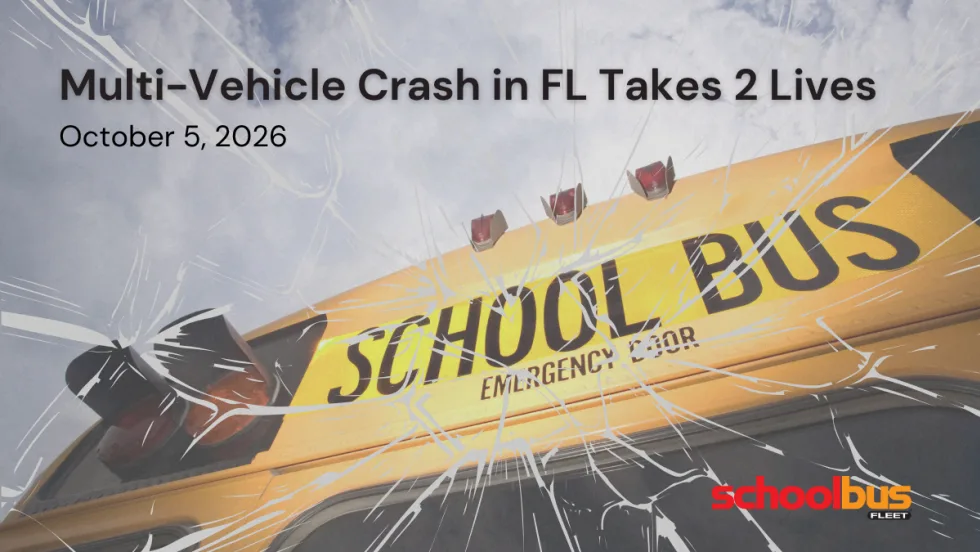
2 Killed, Dozens Injured in Florida School Bus Crash
A multi-vehicle collision caused a Polk County school bus carrying 37 students to overturn on its way to Winter Haven High School.
Read More →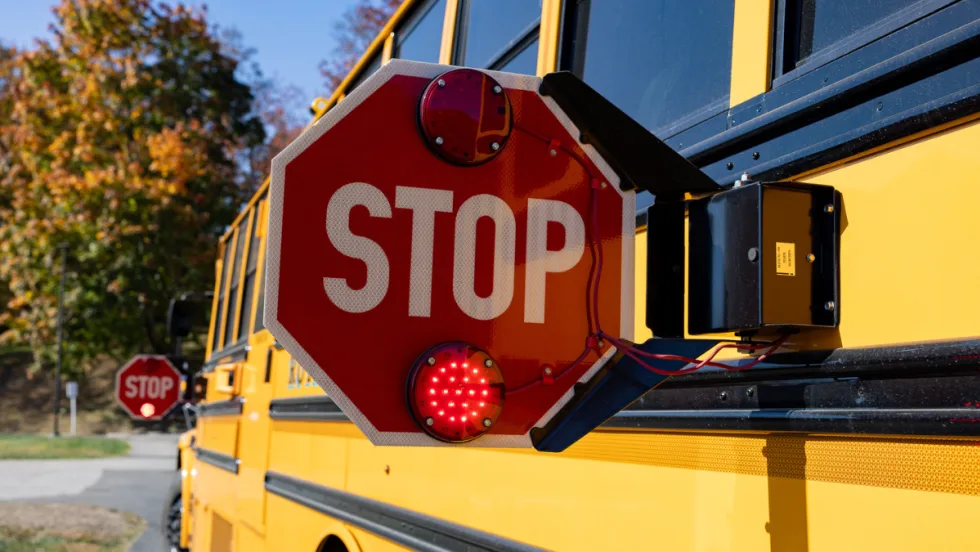
Illegal School Bus Passing Drops 24% in New York Districts
With fewer than 5% of citations involving repeat offenders, Westchester County officials said enforcement, education, and community partnerships are helping change driver behavior.
Read More →
School's Back. Here's What Happened to Traffic, Speeding & Distraction
What happens to traffic when school resumes? New data analysis examines changes in distracted driving, congestion, and speeding around schools.
Read More →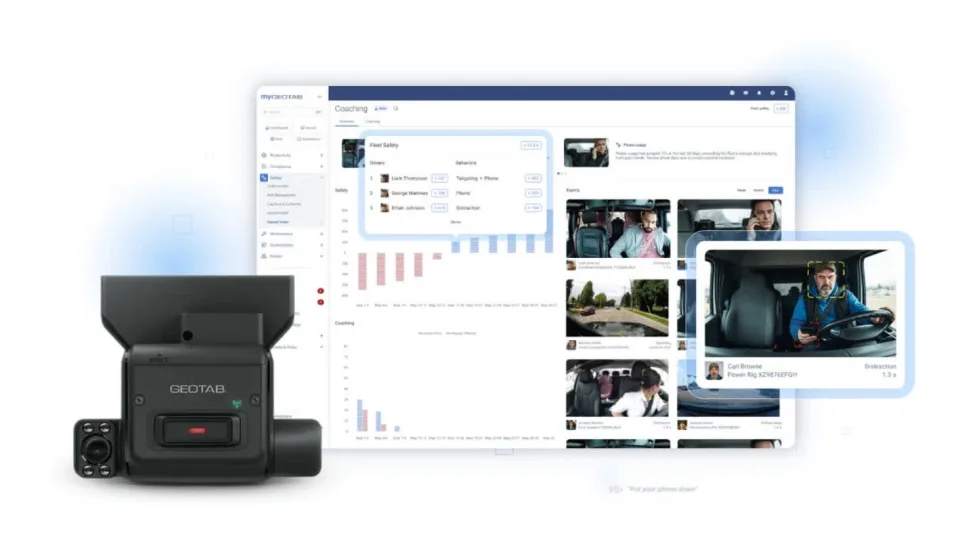
Geotab Expands Fleet Safety Tools With Video Coaching, Risk Insights
New safety and video capabilities aim to help fleet managers assess risk, support drivers, and take targeted action through video coaching, red-light violation detection, and more.
Read More →
How to Build a Better School Bus Driver Training Program
Is it time to strengthen your driver training? Here’s how to pick the right talent and improve recruitment, retention, and safety. This video is brought to you by IC Bus.
Read More →
Recent School Bus Accidents Leave 2 Dead, 2 Injured
Four school bus crashes in Florida, Illinois, and Georgia highlight risks in transportation lots, at bus stops, and during student loading and unloading.
Read More →
When Every Second Matters, Clarity Keeps Routes Moving
From routine delays to urgent incidents, strong communication practices help drivers, dispatchers, schools, and families respond with confidence.
Read More →
What Happens When a School Bus Catches Fire — and What Can Help
School bus fires are rare but can be devastating. Learn how advances in fire suppression and asset protection help fleets detect fires earlier, reduce damage, and improve safety.
Read More →
Geotab Launches Tool to Help Fleets Investigate Road Incidents
Geotab Investigations combines telematics data, video, documents, and other evidence to help fleets reconstruct incidents, resolve claims, and determine what happened.
Read More →
Texas Sixth Grader Wins 2026 National School Bus Safety Poster Contest
Sai Darshana Yekolu of Moseley Middle School in Prosper, Texas, was named the newest winner for her artwork, bringing the theme of “Safe Rides, Everyday Heroes” to life.
Read More →