




Proposed CDL changes don't hit all the marks
Bus drivers are our greatest resource. Of that, there’s no doubt. Over the past decade, however, they’ve been forced to jump through a tan...
Bus drivers are our greatest resource. Of that, there’s no doubt. Over the past decade, however, they’ve been forced to jump through a tangle of bureaucratic hoops (CDL, drug and alcohol testing, criminal background checks and, in some states, physical performance tests) to qualify for a job that few “normal people” would accept even if offered to them with a string of pearls.
But I’m glad that the standards are high and the screening is thorough. My granddaughter will soon be riding the bus to school, and I feel more confident about her safety knowing that her bus driver has been rigorously qualified for a position that embraces such tremendous responsibility.
CDL program shakeup
Now the Federal Motor Carrier Safety Administration (FMCSA) has proposed revisions to the CDL program (as mandated by the Motor Carrier Safety Improvement Act of 1999) that would expand the screening process, strengthen the licensing requirements and toughen the sanctions associated with traffic violations.
These are laudable objectives, but they need careful examination. Some of the proposals strike me as peculiar. For example, CDL holders who are caught driving their commercial vehicles without their license would be guilty of a “serious traffic violation," equivalent to driving without having obtained a license. Even odder, the CDL holder can nullify the violation by showing proof of his CDL before the court date. Why, then, make this a serious violation? (For more information on the proposed rulemaking, see news story in this issue).
But I’m getting sidetracked here. What I want to discuss is FMCSA’s proposal to create a school bus driver endorsement as part of its revised CDL program.
This is where it gets tricky.
On the plus side, a school bus endorsement would help to create a more relevant testing program. A chief complaint about the existing CDL process is that it doesn’t measure school bus-specific knowledge and skills. There’s really no practical use in determining whether a prospective school bus driver can back a truck into a loading dock or knows how to lash down cargo properly (no, I’m not referring to children).
The school bus endorsement proposed in the rulemaking would require applicants to pass a knowledge test that includes topics such as passenger loading and unloading, operation of safety equipment like stop arms and mirror systems, emergency evacuation and rail crossing safety. It would also require a skills test in a school bus of the same vehicle group as the applicant would drive on the job.
What we really need
Even more helpful to the school transportation industry, however, would be the development of a school bus-restricted CDL. This idea has been kicked around for several years, if not decades, and some states, like Connecticut, have implemented CDLs that restrict the holder to school bus operation only.
The point, of course, is to discourage people from using the CDL test preparation offered free by most school districts and contractors as a springboard to a higher-paying job as a truck or transit or motorcoach bus driver. It’s not only unethical on the part of the driver applicant; it also drains the school bus operation hundreds of dollars in training costs.
It’s not entirely clear from the proposed rulemaking if the school bus endorsement would achieve this goal. It does not specifically say whether CDL holders who’ve obtained school bus endorsements and want to switch to driving transit buses would have to pass a skills test in a transit bus. Adding such a restriction could help to reduce the number of people trying to “work the system” for free CDL training.
More Safety
Illegal School Bus Passing Drops 24% in New York Districts
With fewer than 5% of citations involving repeat offenders, Westchester County officials said enforcement, education, and community partnerships are helping change driver behavior.
Read More →
School's Back. Here's What Happened to Traffic, Speeding & Distraction
What happens to traffic when school resumes? New data analysis examines changes in distracted driving, congestion, and speeding around schools.
Read More →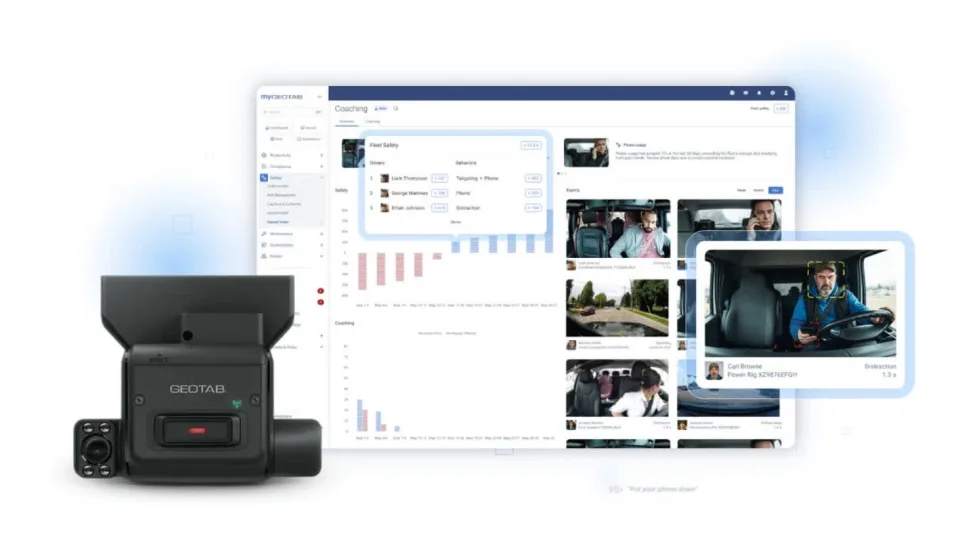
Geotab Expands Fleet Safety Tools With Video Coaching, Risk Insights
New safety and video capabilities aim to help fleet managers assess risk, support drivers, and take targeted action through video coaching, red-light violation detection, and more.
Read More →
How to Build a Better School Bus Driver Training Program
Is it time to strengthen your driver training? Here’s how to pick the right talent and improve recruitment, retention, and safety. This video is brought to you by IC Bus.
Read More →
Recent School Bus Accidents Leave 2 Dead, 2 Injured
Four school bus crashes in Florida, Illinois, and Georgia highlight risks in transportation lots, at bus stops, and during student loading and unloading.
Read More →
When Every Second Matters, Clarity Keeps Routes Moving
From routine delays to urgent incidents, strong communication practices help drivers, dispatchers, schools, and families respond with confidence.
Read More →
What Happens When a School Bus Catches Fire — and What Can Help
School bus fires are rare but can be devastating. Learn how advances in fire suppression and asset protection help fleets detect fires earlier, reduce damage, and improve safety.
Read More →
Geotab Launches Tool to Help Fleets Investigate Road Incidents
Geotab Investigations combines telematics data, video, documents, and other evidence to help fleets reconstruct incidents, resolve claims, and determine what happened.
Read More →
Texas Sixth Grader Wins 2026 National School Bus Safety Poster Contest
Sai Darshana Yekolu of Moseley Middle School in Prosper, Texas, was named the newest winner for her artwork, bringing the theme of “Safe Rides, Everyday Heroes” to life.
Read More →
Doing More With Less: How Transportation Directors Can Prioritize Safety Amid Budget Uncertainty
With diesel prices soaring and nearly one-third of transportation directors expecting budget cuts, maintaining student safety has never been more challenging. Download this guide to learn how leading districts are prioritizing risk, funding critical safety technology, and building stronger budget cases with data.
Read More →