




Plead for more funding as if lives depended on it
As the 1999-2000 school year recedes further and further in our rear-view mirrors, we need to prepare for the challenges of the coming school year.
As the 1999-2000 school year recedes further and further in our rear-view mirrors, we need to prepare for the challenges of the coming school year. One of those challenges will be finding more dollars for the transportation budget. Easier said than done, I know. Transportation is often lumped in the same category as food services, facilities and maintenance when it comes to budget priorities. Understandably, school administrators and school boards want to put as much money as possible in the classroom. Often, they’re driven by community pressure to improve test scores.
Numbers can be misleading
That’s how we measure our successes — and failures — these days, by sitting down with a computer and crunching numbers. Well, I have a number for the bean counters that’s probably not very impressive, but speaks volumes about the effects of the lack of funding for transportation. Three. That’s how many children were killed in the March 28 train-school bus crash at the Tennessee-Georgia border. We sent Associate Editor Sandra Matke to the site within hours of the tragedy to investigate how such a thing could have happened, with all the training on rail crossing safety that’s offered these days (Sandra’s article, “Sudden Death in Murray County,” begins on pg. 34). What Sandra discovered during her three-day visit was that the driver of the school bus, Rhonda Cloer, didn’t attend the rail crossing training session that was offered a month before the crash. Her employer, Murray County (Ga.) Schools, made attendance of the training session voluntary — because it couldn’t pay drivers for their time. The transportation director said the budget only allows for two paid in-service training programs per year. What’s worse, some school districts don't pay drivers for any kind of training. Those districts need to rethink their risk management strategies. Had Cloer attended that “optional” session, the importance of “stopping, looking and listening” might have been significantly reinforced. We might not be mourning the deaths of three children, one of whom died in her father’s arms. All for an hour’s pay. Now the school district faces immeasurable liability exposure as lawsuits are filed by the families of the injured and the dead. Millions of dollars in settlements and/or court judgments will be expended. Worst of all, nobody wins.
Put a price on safety
In addition to lobbying for more money for driver training, school bus operators need to demand more money for driver wages. According to our annual survey of contractors, the driver shortage is showing no signs of slowing down (see “Driver Shortage Shows No Signs of Easing,” beginning on pg. 54). About 80 percent of the survey respondents said they had at least a moderate shortage. And many said they were handcuffed by insufficient rate increases from school districts. As a result, contractors are being forced to conscript office staff and mechanics to drive buses. About three of five respondents said they regularly send these non-drivers out to cover routes. This practice — common to school district and contractor operations around the country — reduces the safety cushion that underlies a sound transportation program. We only have to look back at the 1995 tragedy in Fox River Grove, Ill., for an example of this potential hazard. In that case, a safety supervisor was subbing on an unfamiliar route and apparently was not aware that her bus would not clear the tracks at a busy intersection. A commuter train rammed the back of the bus, resulting in the deaths of seven students. Another number for the bean counters.
More Management

The Back-to-School Checklist Every Director Should Complete Before the First Bell
Help your transportation team start the school year strong with these tips for contingency planning, communication, fleet visibility, technology, and trip management.
Read More →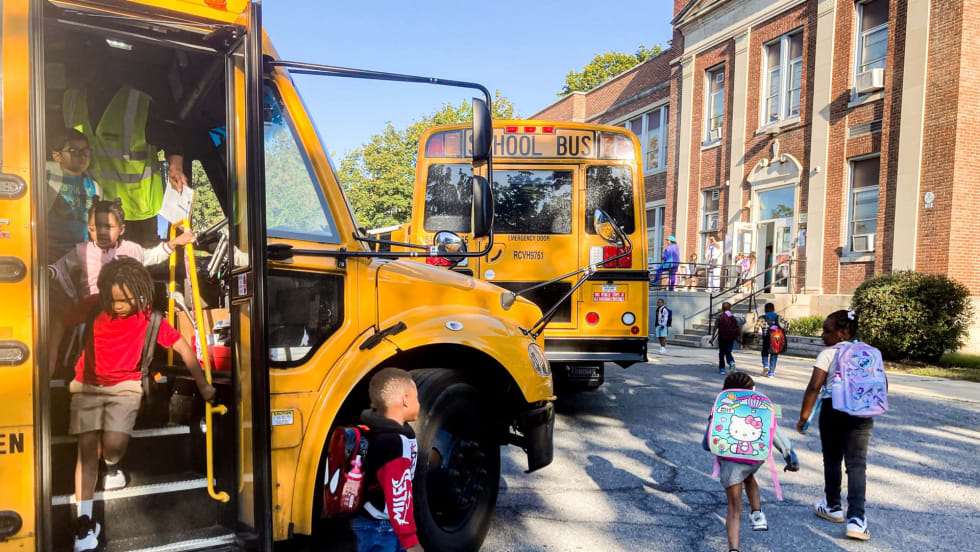
How a New York District Cut Nearly $1M in Transportation Costs While Expanding Bus Access
A data-driven overhaul with BusRight reduced Poughkeepsie City School District's planned routes from 26 to 17 while extending school bus service to about 1,200 additional students.
Read More →
Budgets Down, Enrollment Shifting: What the Data Says Districts Should Watch
School transportation departments face two converging challenges this year: tightening budgets and shifting enrollment. Most districts still address these issues separately, but the assumption that either trend will simplify operations is proving incorrect.
Read More →
These 8 School Transportation Companies Made the 2026 Inc. 5000 List
Find out which school transportation contractors, technology providers, and suppliers ranked among America’s fastest-growing private companies.
Read More →
The Link Between Emotional Intelligence and School Bus Safety
How can emotional intelligence help transportation pros navigate stress, manage change, and build stronger relationships? Listen to find out.
Read More →
What Emotional Intelligence Has to Do With School Bus Safety
In this video, discover how emotional intelligence can help transportation leaders and drivers navigate stress, manage change, and build stronger relationships. The Route is sponsored by IC Bus.
Read More →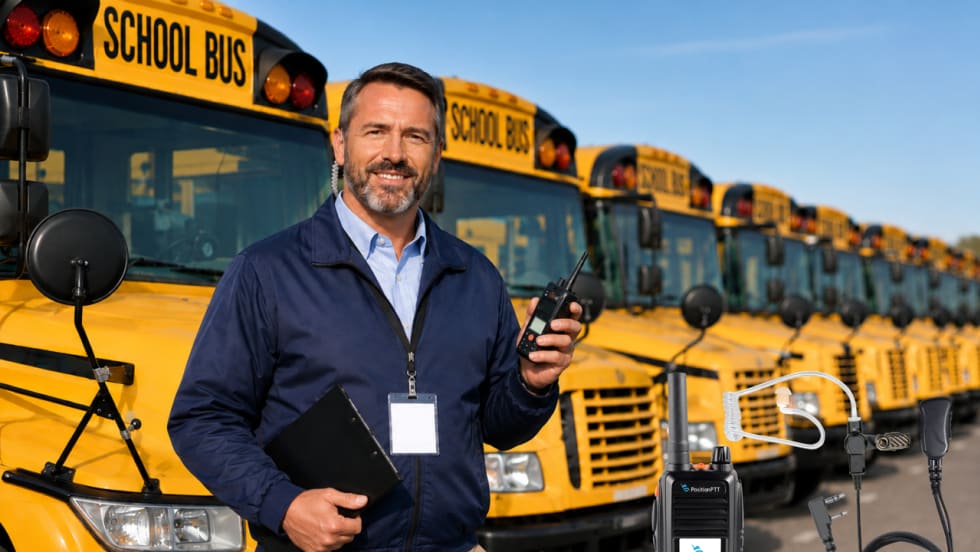
Beyond Two-Way Radios: School Bus Communications Evolve With Push-to-Talk Over Cellular
PRYME Radio and PositionPTT join forces to advance hands-free radio use and reduce distracted driving. See how PoC compares with traditional radios on range, cost, safety, and connectivity.
Read More →
Have School Districts Adapted to Bus Driver Shortages or Simply Accepted Less Service?
According to a recent report from HopSkipDrive, many districts appear to have recalibrated what "normal" transportation service looks like.
Read More →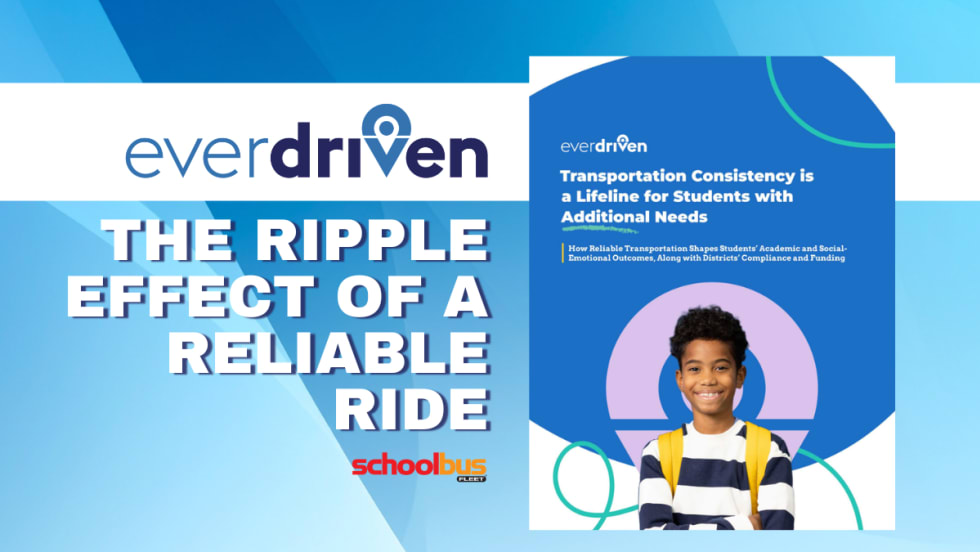
Reliable Transportation Linked to Better Student Outcomes, New EverDriven Study Finds
See why new research suggests transportation consistency improves student outcomes while influencing attendance, funding, IEP compliance, and family trust.
Read More →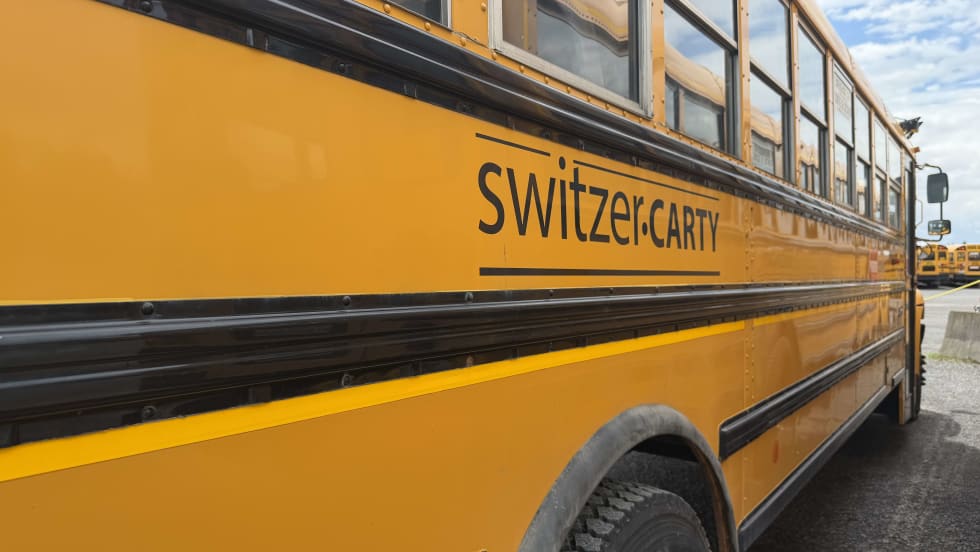
Switzer-CARTY Enters the U.S. with New Acquisition
The Canadian contractor’s acquisition of Minnesota-based Agnes Corporation marks its first cross-border expansion into the United States and adds 350 vehicles.
Read More →