




Partnering with a purpose
It’s amazing how quickly we adapt. I never thought I’d be paying more than $3 a gallon for gasoline, but it’s become a way of life now. Putting $50 of...
It’s amazing how quickly we adapt. I never thought I’d be paying more than $3 a gallon for gasoline, but it’s become a way of life now. Putting $50 of gasoline in my tank would have been unthinkable 10 years ago, but today it’s routine.
Routine, but not without impact. Rising prices, in general, are taking a significant toll. And not just at home. The way we do business must be looked at more carefully than ever. The bottom line has never been so important.
As the four contractors interviewed in the Contractor Roundtable beginning on pg. 41 mention, the cost of doing business is one of their greatest challenges. The rising cost of fuel is only a part of the problem. Labor, equipment and general supplies are also more expensive these days, which helps to explain why many contractors’ costs are escalating faster than the consumer price index.
The problem is that everyone is feeling the pinch: the school districts, the contractors, the industry’s suppliers and the people who work for these organizations. There’s no fat on the bone, and, unfortunately, we’re all chewing on the same bone.
What should be done?
We need to recalibrate our perceptions about how we, as separate but related entities, fit into the industry. That is, school districts and contractors need to embrace their business relationship as a true partnership, in which both parties are rooting for the other and, when necessary, supplying the other with information and insight. At the very least, they need to communicate openly, giving the other as much information as possible to meet mutual expectations.
Along the same lines, both school districts and contractors should be partnering with the industry’s suppliers. Let’s face it, the folks who manufacture school buses, components and ancillary equipment are critical to the success of the pupil transportation community. Without them, the industry’s incredible safety record would not be what it is today.
Operators need to ensure that they are taking advantage of the experience and know-how that suppliers can offer. After all, the equipment manufacturers have an industry-wide view of operational and maintenance issues because of their dealings with hundreds, no thousands, of school bus programs around the country.
Learn from the pros
And suppliers are more than happy to share their experience. Why? Because any information that they can pass along to their customers will help to strengthen the entire industry and help to ensure that it continues to provide the best possible service to 25 million children each school day.
There’s also an element of self-preservation at work. Suppliers know that a successful transportation program is less likely to be curtailed than one that is merely adequate or, worse, substandard. Successful programs ensure that new equipment will be needed down the road, which, in turn, keeps the suppliers’ assembly lines busy.
At the end of the day, though, the true value of partnerships isn’t about cost cutting or revenue generation, it’s about maximizing the ability of our industry to get children safely to school so they can get a meaningful education. It’s pretty simple, really.
More Management
The Most Expensive Thing You Do Before Selling a School Bus: Wait
When should you sell an aging school bus? Learn how maintenance, mileage, corrosion, specifications, and timing can affect resale value long before the auction.
Read More →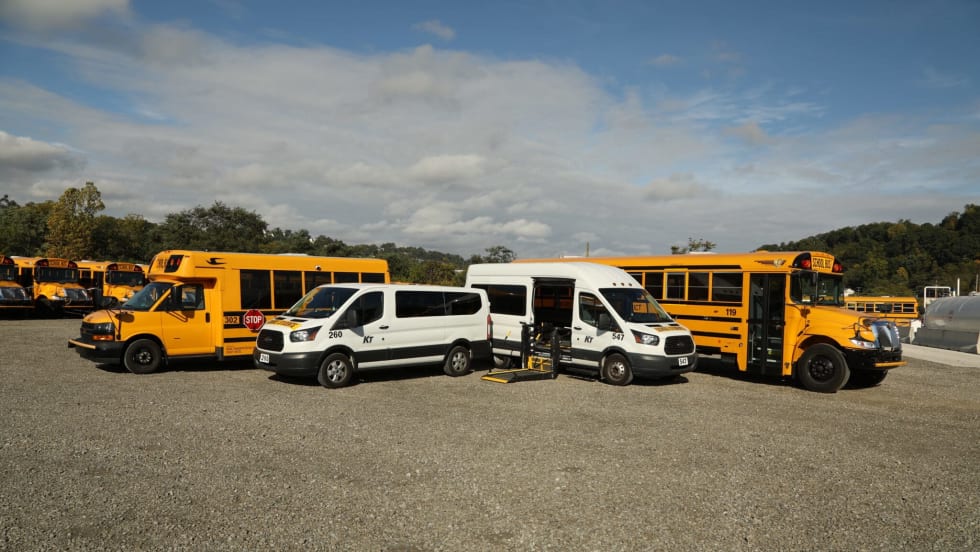
American Student Transportation Partners Acquires AJ Myers and Sons
A new deal brings a 75-year Pennsylvania student transportation provider into one of the nation’s largest private school bus contracting groups.
Read More →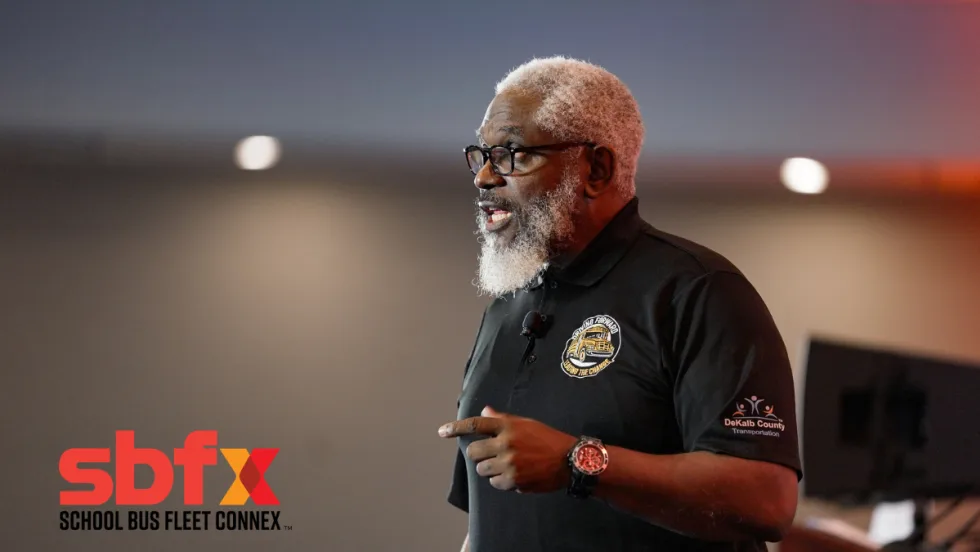
What I Brought Home From SBFX: Relationships, Leadership, and Preparing What's Next
Who could lead your transportation operation tomorrow if you couldn't? Bernando Brown explores succession planning, mentorship, and preparing emerging leaders to step up.
Read More →
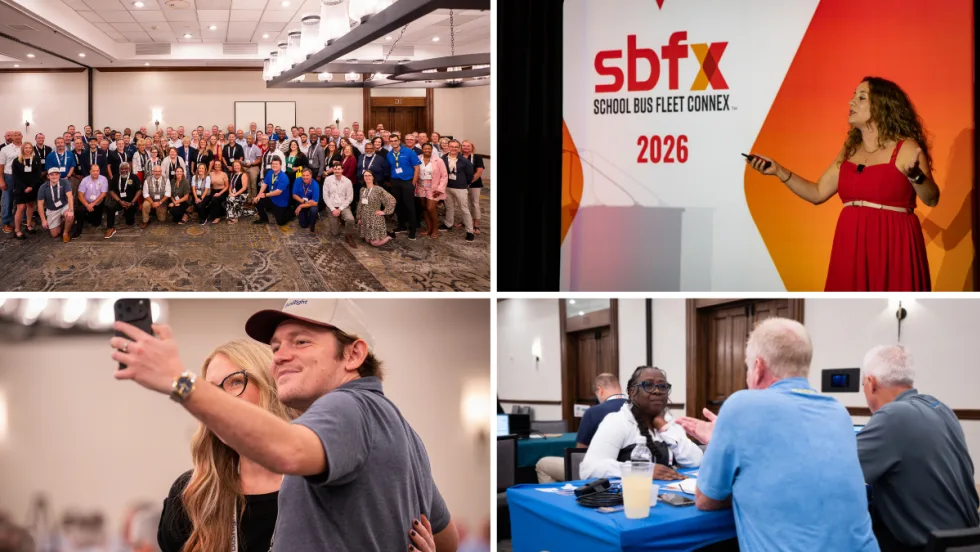
Inside School Bus Fleet ConneX 2026: Industry Leaders Connect in Scottsdale [Photos]
See highlights from SBFX 2026 in Arizona, where school bus operators and suppliers gathered for meetings, education, networking, awards, and more.
Read More →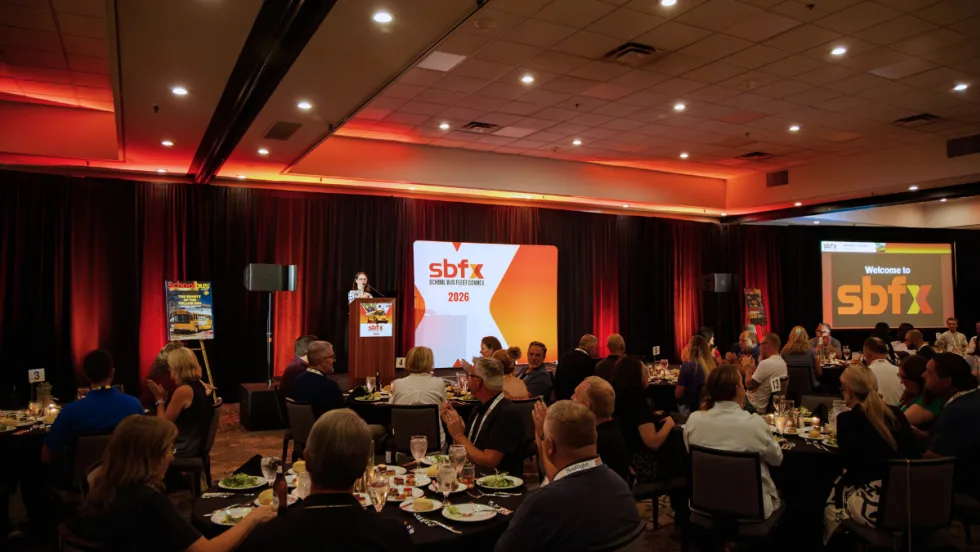
School Transportation’s Biggest Pressures and Opportunities: SBFX Attendees Weigh In
School bus operators point to rising costs, staffing, and vehicle prices as immediate pressures while identifying technology, training, and routing as opportunities for growth.
Read More →
STA Acquires Sunrise Transportation
Student Transportation of America expands in Illinois and Connecticut through Sunrise's fleet of nearly 1,000 vehicles.
Read More →
EPA Opens $180M DERA Funding Round for Diesel Upgrades
The 2026 Diesel Emissions Reduction Act program seeks applications from eligible organizations to accelerate the retirement of legacy diesel vehicles.
Read More →
HopSkipDrive’s CareEngine Targets the ‘Exceptions’ in Student Transportation
The new platform works alongside districts’ existing transportation management systems to coordinate specialized rides, automate last-minute changes, and turn ride data into operational improvements.
Read More →
The Right Ride for Every Student: Navigating the New Student Transportation Ecosystem
How should districts blend school buses with small-vehicle transportation and other options? EverDriven CEO Mitch Bowling discusses safety, costs, partnerships, and strategy.
Read More →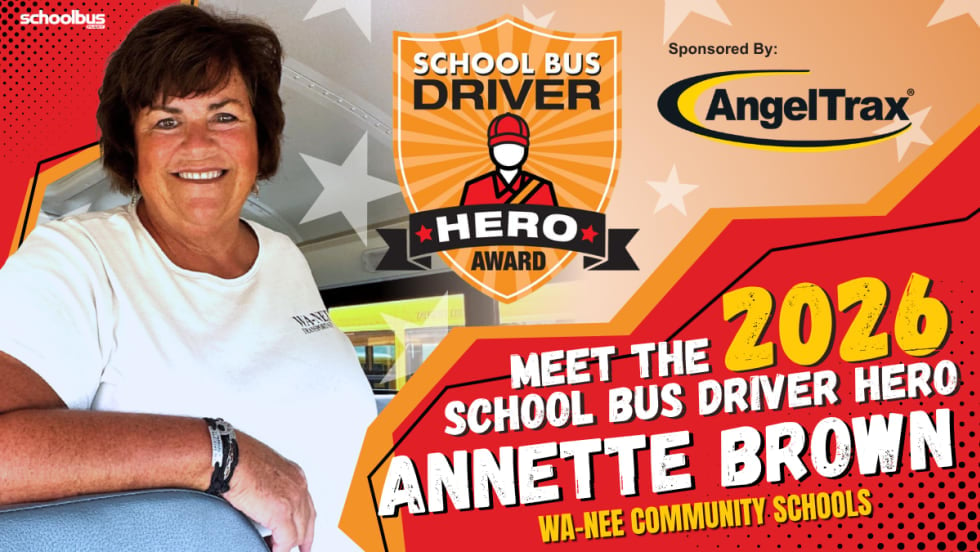
Annette Brown Always Takes the Extra Time: Meet Our 2026 School Bus Driver Hero
For more than 30 years, the Wa-Nee Community Schools driver has treated students like family, combining safety, compassion, and servant leadership to make a lasting difference on and beyond the school bus.
Read More →