




Op-Ed: Diesel Buses Stretch Funds Further Than Electric Buses
In this guest editorial, Allen Schaeffer from the Diesel Technology Forum says that for the same fixed investment, many more older and higher-emitting school buses can be replaced with new-technology diesel than with an all-electric choice.
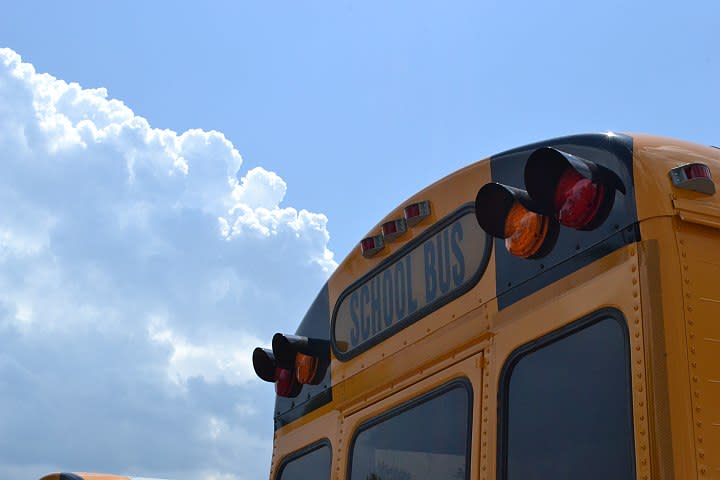

Despite the buzz and novelty around new all-electric technology, diesel school buses continue to be the nation’s most trusted student transportation technology.
In fact, 95% of large school buses on U.S. roads rely on a diesel powertrain because of the unique combination of safety, efficiency, reliability, and durability that school districts have come to expect and demand.
Thanks to decades of innovation, the latest diesel engines (2011 and newer model years) meet the demanding duty cycle school districts require, delivering students safely while producing near-zero emissions. Even better, a growing number of the school buses on the road — now up to 40% — are equipped with the latest near-zero emissions diesel technology.
For Environmental Protection Agency (EPA)-regulated emissions, here’s a look at how diesel stacks up:
• All current engines emit 90% less nitrogen oxide emissions compared to 2006.
• Particulate matter emissions have been reduced by more than 90%, to 0.001 grams per brake horsepower per hour (GPBHP/hour) or less. The federal standard is 0.01 GPBHP/hour.
• Nonmethane hydrocarbon emissions have been reduced to 0.01 GPBHP/hour or less. The federal standard is 0.14 GPBHP/hour.
• Carbon monoxide emissions are 0.1 GPBHP/hour or less. The federal standard is 15.5 GPBHP/hour.
In fact, it takes 60 of today’s diesel school buses to equal the emissions of one 15-year-old school bus. And, for a low-cost, overnight enhancement, a growing number of school districts also now use blends of high-quality biodiesel to power school buses, further reducing emissions and reducing reliance on imported oil.
What’s even better than these environmental strides? New-technology diesel school buses offer school districts more for their dollar.
School districts have notoriously limited budgets, with innumerable demands for funding. All-electric technologies are exciting, but they are not a very cost-effective choice on a fixed amount of funds.
Which would you rather purchase, if you had $1 million in your budget?
• Four new all-electric school buses, which can transport a total of about 290 kids.
• Ten new-technology diesel school buses, which can transport a total of about 720 kids.
While an all-electric bus would deliver a zero-emission ride for the 65 to 72 students on that bus and the houses along its route, what happens to the other buses in your district’s fleet? Does the electric bus investment drain valuable capital from the district, which in turn ensures that the balance of your district’s school bus fleet gets older and emits more emissions overall? These are just a few considerations of introducing electric buses into the fleet.
For the same fixed investment, many more older and higher-emitting school buses can be replaced with new-technology diesel — or even compressed natural gas, propane, gasoline, or other liquid fuels — than with an all-electric choice.
Plus, there are some great funding opportunities with a clean diesel option — matching federal funds that enable school districts to stretch their funds even further.

Allen Schaeffer is executive director of the Diesel Technology Forum.
The EPA’s Diesel Emissions Reduction Act (DERA) program continues to offer districts the opportunity to receive funds to help replace buses that are model year 2006 or older. To date, nearly 25,000 buses across the country have already been made cleaner as a result of DERA funding.
Meanwhile, for the EPA’s school bus rebate program, more than 90% of funds have gone toward clean diesel engine upgrades.
Also, the recent settlement with Volkswagen includes a $2.9 billion trust to help introduce clean technologies across a wide variety of vehicles and equipment types, including school buses.
There are many smart and simple steps to reduce emissions from school bus fleets, most notably a sharper eye to regular vehicle maintenance, and practical policies that restrict or prohibit vehicle idling outside of schools in pickup zones. Implementing these simple steps, along with a thoughtful bus replacement policy, ensures that a district will have a reliable, well-maintained, and newer fleet to serve the needs of its students and the community.
Diversifying transportation fuels and technologies in the school bus fleet may be of greater interest to some than others, but when the dismissal bell sounds at the end of the day, safe, reliable, and affordable pupil transportation is everyone’s assignment.
Allen Schaeffer is the executive director of the Diesel Technology Forum, which advocates for clean diesel technology. The nonprofit education organization is dedicated to raising awareness about the importance of diesel engines, fuel, and technology. Learn more at www.dieselforum.org.
More Alternative Fuels

CALSTART and Forth Combine to Form Catalyst Mobility
The new name represents a renewed vision for the nonprofit focused on advancing clean, equitable, and affordable transportation solutions that move people and goods.
Read More →
Alt-Fuel Moves: New Buses, Charging Hubs & Real-World EV Testing
Propane and electric school bus deployments continue to grow as districts add new vehicles, expand charging infrastructure, and gather more real-world operating data.
Read More →
Fewer Electric School Bus Models Reshape the U.S. Market
WRI’s latest buyer’s guide points to a consolidating electric school bus market, but fewer options may reflect a maturing industry rather than fewer meaningful choices for school bus operators.
Read More →
The Fuel Budget You Can Actually Predict: How Propane Autogas Keeps Money in the Classroom
Learn how propane autogas helps school districts manage fuel costs with predictable pricing, lower maintenance, and reduced emissions from former transportation director Joel Stutheit.
Read More →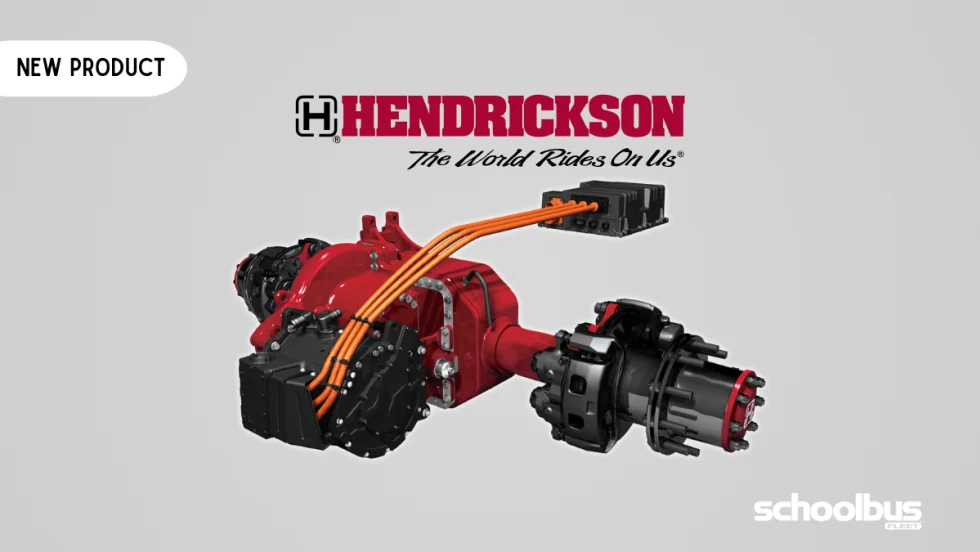
Hendrickson, Driventic Introduce New Electric Powertrain for School Buses
ELECTRAAX, the electrified, lightweight drive axle offers integrated ePowertrain efficiency and modular flexibility for Class 6–7 school bus use.
Read More →
The Mobility House Joins PowerFlex in Fleet Electrification Deal
The acquisition combines intelligent charging software, bidirectional charging expertise, and fleet electrification services to support the growing adoption of electric school buses across North America.
Read More →
Alt-Fuel Moves: Electric School Bus Investments Hit the Road
See which districts across the U.S. are putting electric school buses into service, expanding charging infrastructure, and planning the next phase of fleet electrification.
Read More →
With Fuel Volatility Ahead, School Districts Turn to Propane
While diesel prices peaked above $5 this spring, districts with propane autogas-powered fleets paid under $2 per gallon, according to PERC.
Read More →
EPA Unveils Proposed Changes to 2027 Heavy-Duty Engine Rules
The federal agency has proposed changes to next year’s targets that would eliminate DEF derates, ease warranty requirements, and retain current NOx emissions standards.
Read More →
Alt-Fuel Moves: EV Charging & Infrastructure Projects Gain Momentum
The latest developments include new funding, charging infrastructure, utility investments, and fleet technologies designed to support the transition to electric school buses nationwide.
Read More →