




On an ordinary day, madness on a school bus
Student threats against school personnel and against other students are not being treated as pranks anymore.
Imagine him on a school bus. Pulling a semiautomatic handgun from his backpack. Firing point-blank at the 60 other passengers. It's loud now, what with the weapons fire, breaking glass and the screams of the wounded and the soon-to-be wounded. The boy, only 14, continues to empty his gun into his classmates, howling obscenities and laughing at the madness he's created out of what was an otherwise normal day. The driver frantically radios for help, while desperately trying to usher students out the front of the bus. One student tries to escape through the rear emergency door but is cut down. Finally, two brave youngsters tackle the boy and wrest the gun from him. One is shot and killed in the process. The final toll — five students dead; 12 others injured, three critically.
One year ago, this scenario would have been unthinkable, the ravings of a weak-kneed pacifist who had digested one too many manifestos against the National Rifle Association. Earlier this year, however, Kip Kinkel and his gun-toting brethren in Jonesboro, AK., Pearl, MS., and West Paducah, KY., taught us that these worst-case scenarios are more than scenarios. Kinkel, et. al., may have forever changed the way we look at school safety.
Zero tolerance adopted
School officials around the country have responded to these violent outbursts with get-tough policies. Student threats against school personnel and against other students are not being treated as pranks anymore. In the wake of Kinkel's violent rampage at Thurston High School in Springfield, Ore., many school districts have revamped their student conduct policies. Where they previously used discretion on threats before calling in outside authorities, they are now forced to notify police about all violent threats. Students who draw up death-wish lists are discovering that administrators, principals and teachers are reacting — and, in some cases, over-reacting — with suspensions and expulsion. Zero tolerance is becoming more than just an educational catch-phrase. Severe punishment for severe danger. It makes sense. School bus operators are being encouraged to adopt the same vigilant attitude. Death threats — no matter how seemingly facetious — are to be reported to the building administrator for investigation. Bizarre behavior (I know, that is a redundant usage when referring to the middle-school population) should also be reported. And drivers should be on the lookout for weapons, not just guns but also knives, bats and anything else that could be used to harm other schoolchildren.
Your passengers, your allies
You might want to have your drivers warn their charges during the first week of school that weapons and threats will not be tolerated. Let the passengers know what the expectations are. Probably the most important advice that can be given to drivers is to know their passengers. Develop a trusting and respectful relationship with them. Not only will this help drivers manage behavior on their buses, it will also help them discern when their passengers are especially troubled and may need crisis intervention. These students may also feel comfortable reporting to drivers that one of their peers has issued a threat or is carrying a weapon. Training by law enforcement officials in handling violent encounters, including hostage situations, can only help drivers prepare physically and emotionally for their jobs. Transportation supervisors should explore the availability of this type of crisis intervention training. The most dangerous attitude that you could adopt is denial. Our campuses and school buses are safe. Our children would never bring a gun to school with the intent of harming their classmates. That could never happen here. Yes it could.
More Safety

How to Build a Better School Bus Driver Training Program
Is it time to strengthen your driver training? Here’s how to pick the right talent and improve recruitment, retention, and safety. This video is brought to you by IC Bus.
Read More →
Recent School Bus Accidents Leave 2 Dead, 2 Injured
Four school bus crashes in Florida, Illinois, and Georgia highlight risks in transportation lots, at bus stops, and during student loading and unloading.
Read More →
When Every Second Matters, Clarity Keeps Routes Moving
From routine delays to urgent incidents, strong communication practices help drivers, dispatchers, schools, and families respond with confidence.
Read More →

What Happens When a School Bus Catches Fire — and What Can Help
School bus fires are rare but can be devastating. Learn how advances in fire suppression and asset protection help fleets detect fires earlier, reduce damage, and improve safety.
Read More →
Geotab Launches Tool to Help Fleets Investigate Road Incidents
Geotab Investigations combines telematics data, video, documents, and other evidence to help fleets reconstruct incidents, resolve claims, and determine what happened.
Read More →
Texas Sixth Grader Wins 2026 National School Bus Safety Poster Contest
Sai Darshana Yekolu of Moseley Middle School in Prosper, Texas, was named the newest winner for her artwork, bringing the theme of “Safe Rides, Everyday Heroes” to life.
Read More →
Doing More With Less: How Transportation Directors Can Prioritize Safety Amid Budget Uncertainty
With diesel prices soaring and nearly one-third of transportation directors expecting budget cuts, maintaining student safety has never been more challenging. Download this guide to learn how leading districts are prioritizing risk, funding critical safety technology, and building stronger budget cases with data.
Read More →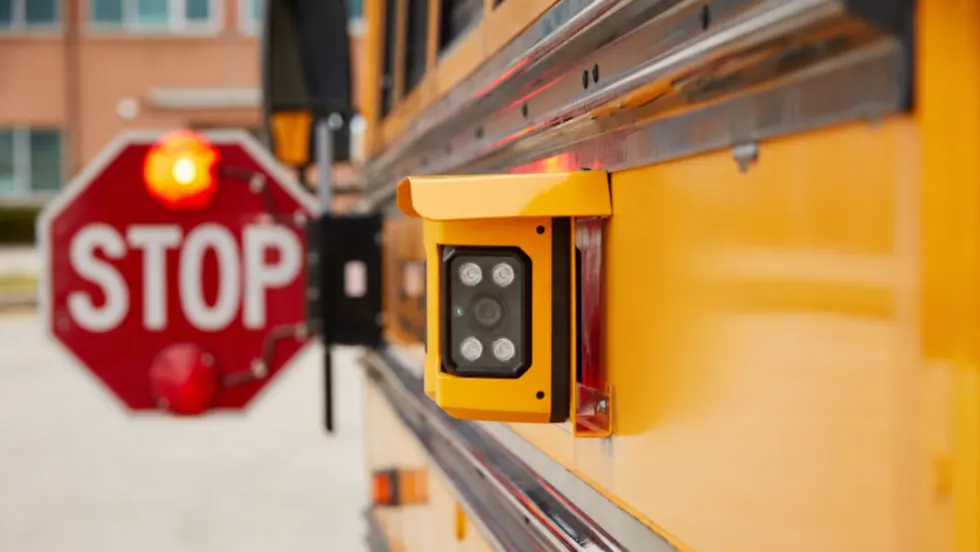
Walton County Schools Adds Gatekeeper Stop-Arm Enforcement System
The Florida district will deploy Gatekeeper’s updated Student Protector technology, which now incorporates AI to improve video evidence.
Read More →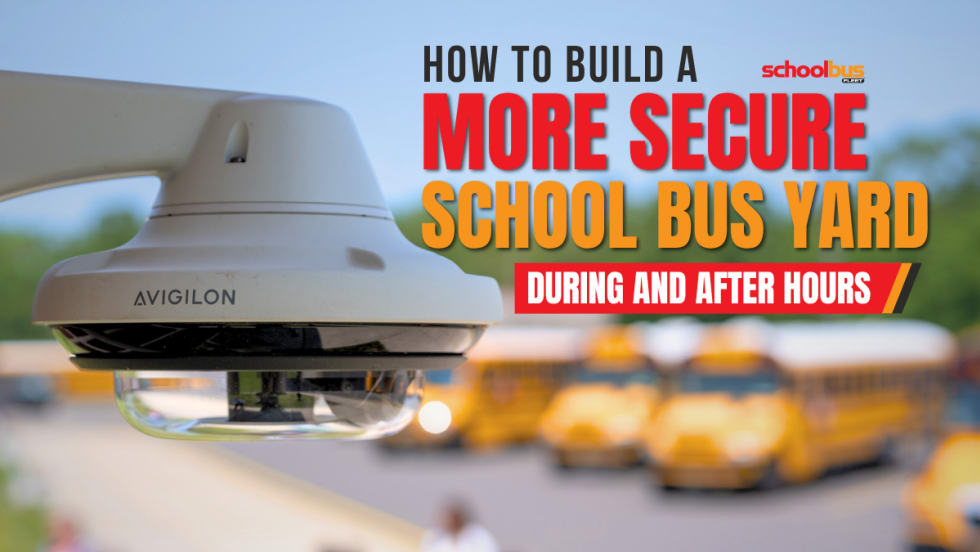
How To Build a More Secure School Bus Yard During and After Hours
As thefts and overnight security threats continue, school transportation leaders are combining stronger operational practices with AI-enabled surveillance to better protect buses, facilities, and staff.
Read More →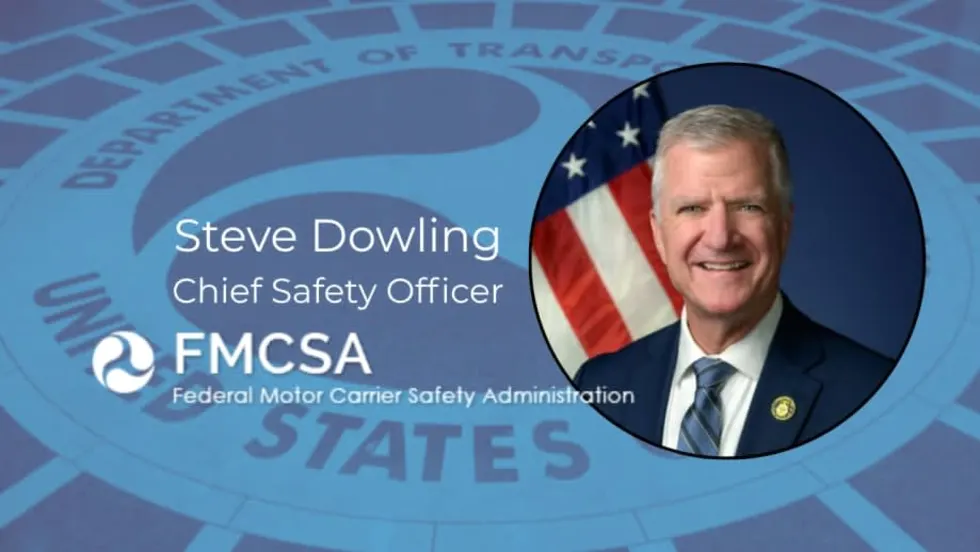
FMCSA Names New Chief Safety Officer: What School Bus Operators Should Know
Steve Dowling is set to lead the federal agency's efforts to advance commercial motor vehicle safety and reduce crashes, fatalities, and injuries on the nation's roadways.
Read More →