




Oh, <i>that</i> skeleton
We've all got things in our past that we'd like to keep hidden. It's human nature to present ourselves in the best possible light, meaning that we kee...
We've all got things in our past that we'd like to keep hidden. It's human nature to present ourselves in the best possible light, meaning that we keep our skeletons tucked into the furthest recesses of our closet. Or, better yet, buried in our backyard, deep enough that even scavenging creatures with long, sharp claws can't unearth them.
As an editor and writer, some of my mistakes are very public and very embarrassing, but they're generally limited to typos and other journalistic errors. Those of you in the field of pupil transportation, however, don't have the luxury of letting your guard down because, unlike a typo in a magazine, a lapse in a school bus can result in injury or death.
Which is why school bus drivers in all states are required to undergo criminal background checks before they're hired. Some states require a state criminal background check as well as a federal one, which involves FBI analysis of fingerprint samples.
Many, many driver applicants have been disqualified because of their criminal histories. I'll bet that some of them would have made great bus drivers. But school districts and contractors can't take the chance that they might repeat their offense or, worse, commit an even more serious offense.
Felony conviction unearthed
I recently read a newspaper article about a transportation director who resigned after it was discovered that he apparently lied on his job application about his criminal background. According to the story, he was convicted of a felony for leaving the scene of a fatal hit-and-run accident in 1986. He allegedly ran over and killed a bicyclist and drove off without notifying anyone.
Would you want someone like this running your transportation department, even for a day? The reason I ask is that the school district hired this man and allowed him to work for more than three months before receiving the results of his federal background check, which uncovered his felony conviction in another state.
Although job applicants at this school system do have to pass the state criminal background check before starting employment, they are given the green light to work until the FBI results come in. As many of you know, this process can take months, depending on the backlog of applicants. Sure, it's inconvenient to have to wait until the federal background check is performed, but it seems to me that school districts and contractors should wait until the results are in before putting the applicant to work.
Shortages create pressure
Yes, I know, a shortage of bus drivers puts a lot of pressure on employers to get new hires up and running as soon as possible. In this case, however, the risks outweigh the benefits. Imagine if the transportation director mentioned earlier had committed a serious error in judgment that led to the injury or death of a student or department employee. Any competent lawyer would have uncovered his felony conviction and questioned the district's decision to put him on the job before the federal background check was completed.
I don't know how many states allow bus drivers to begin transporting students before their state and/or federal background checks are completed, but school bus operators need to resist the temptation to allow them to transport students until everything checks out. It's an unfortunate fact of life that people are willing to lie on their job applications with the hope that their skeletons are buried deep enough that we’ll never find them.
More Safety
Illegal School Bus Passing Drops 24% in New York Districts
With fewer than 5% of citations involving repeat offenders, Westchester County officials said enforcement, education, and community partnerships are helping change driver behavior.
Read More →
School's Back. Here's What Happened to Traffic, Speeding & Distraction
What happens to traffic when school resumes? New data analysis examines changes in distracted driving, congestion, and speeding around schools.
Read More →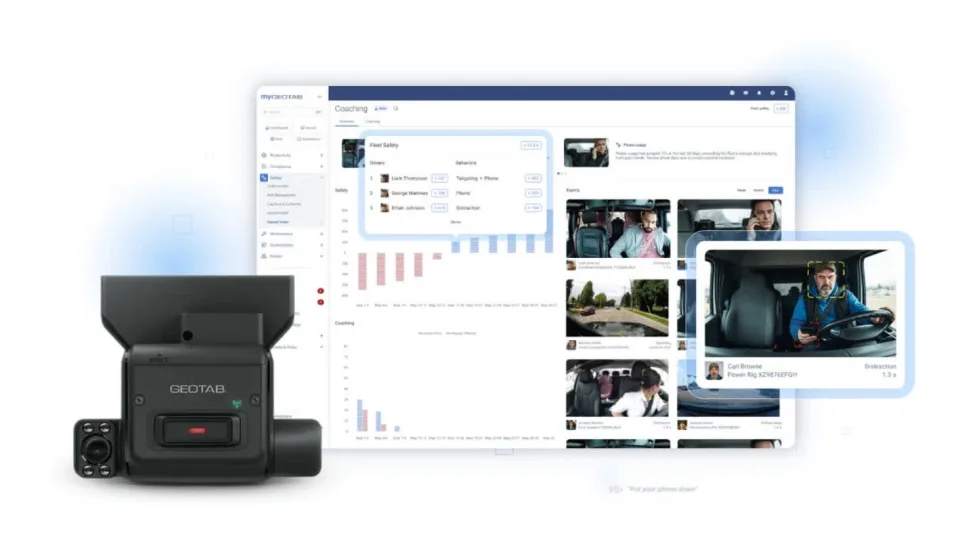
Geotab Expands Fleet Safety Tools With Video Coaching, Risk Insights
New safety and video capabilities aim to help fleet managers assess risk, support drivers, and take targeted action through video coaching, red-light violation detection, and more.
Read More →

How to Build a Better School Bus Driver Training Program
Is it time to strengthen your driver training? Here’s how to pick the right talent and improve recruitment, retention, and safety. This video is brought to you by IC Bus.
Read More →
Recent School Bus Accidents Leave 2 Dead, 2 Injured
Four school bus crashes in Florida, Illinois, and Georgia highlight risks in transportation lots, at bus stops, and during student loading and unloading.
Read More →
When Every Second Matters, Clarity Keeps Routes Moving
From routine delays to urgent incidents, strong communication practices help drivers, dispatchers, schools, and families respond with confidence.
Read More →
What Happens When a School Bus Catches Fire — and What Can Help
School bus fires are rare but can be devastating. Learn how advances in fire suppression and asset protection help fleets detect fires earlier, reduce damage, and improve safety.
Read More →
Geotab Launches Tool to Help Fleets Investigate Road Incidents
Geotab Investigations combines telematics data, video, documents, and other evidence to help fleets reconstruct incidents, resolve claims, and determine what happened.
Read More →
Texas Sixth Grader Wins 2026 National School Bus Safety Poster Contest
Sai Darshana Yekolu of Moseley Middle School in Prosper, Texas, was named the newest winner for her artwork, bringing the theme of “Safe Rides, Everyday Heroes” to life.
Read More →
Doing More With Less: How Transportation Directors Can Prioritize Safety Amid Budget Uncertainty
With diesel prices soaring and nearly one-third of transportation directors expecting budget cuts, maintaining student safety has never been more challenging. Download this guide to learn how leading districts are prioritizing risk, funding critical safety technology, and building stronger budget cases with data.
Read More →