




NTSB targets rail crossings
The National Transportation Safety Board (NTSB) has placed improved school bus/grade crossing safety on its list of “Most Wanted Transportation Safety...

The National Transportation Safety Board (NTSB) has placed improved school bus/grade crossing safety on its list of “Most Wanted Transportation Safety Improvements.”
Although it’s relatively rare for a school bus to be involved in a train crash at a grade crossing, the results are often catastrophic.
In March 2000, a school bus was struck by a freight train at a passive grade crossing in Tennga, Ga., resulting in the deaths of three children and serious injuries to four other youngsters.
“Passive grade crossings are particularly dangerous because there are no active warning devices to signal that a train is approaching,” the NTSB wrote in its announcement. “Ensuring that drivers stop, look and listen at all grade crossings will help ensure the safety of the nation’s schoolchildren.”
According to the Federal Railroad Administration, there are 246,000 grade crossings nationwide. Of those, 109,000 are passive crossings.
In 2002, the NTSB issued five safety recommendations to states in the wake of the Tennga tragedy.
1. Installation of stop signs at passive grade crossings that are traversed by school buses, except where installation would create a greater hazard.
2. Use of information about whether school buses routinely cross passive grade crossings as a factor in selecting crossings to upgrade with active warning devices.
3. A requirement that all newly purchased and in-service school buses be equipped with noise-reducing switches.
4. Enhanced school bus driver training and evaluation, including periodic reviews of onboard videotapes where available, especially with regard to driver performance at grade crossings.
5. Incorporation of questions on passive grade crossings in the CDL manual and examination.
The NTSB recently followed up on its recommendations and found that many states have not adequately complied with its program of safety initiatives. For example, the board reports that only six states have installed stop signs at passive grade crossings that are traversed by school buses. And only nine states require that new buses be equipped with noise-reducing switches.
Meanwhile, 31 states have enhanced their driver training program to include a component about grade crossings.
Note: The NTSB is an advisory agency only and has no authority to force other governmental entities to comply with its recommendations.
More Safety
FMCSA Names New Chief Safety Officer: What School Bus Operators Should Know
Steve Dowling is set to lead the federal agency's efforts to advance commercial motor vehicle safety and reduce crashes, fatalities, and injuries on the nation's roadways.
Read More →
New Study Finds School Zone Speed Safety Cameras Cut Speeding Violations 97%
A Florida university's research demonstrates that Verra Mobility's automated enforcement changes driver behavior and significantly improves school zone safety.
Read More →
What Changed in DOT’s New National Roadway Safety Strategy?
The federal agency's new plan shifts its focus to safer people, roads and vehicles, with a new three-pronged approach instead of five. One outlined action even addresses a key industry concern around illegal school bus passing.
Read More →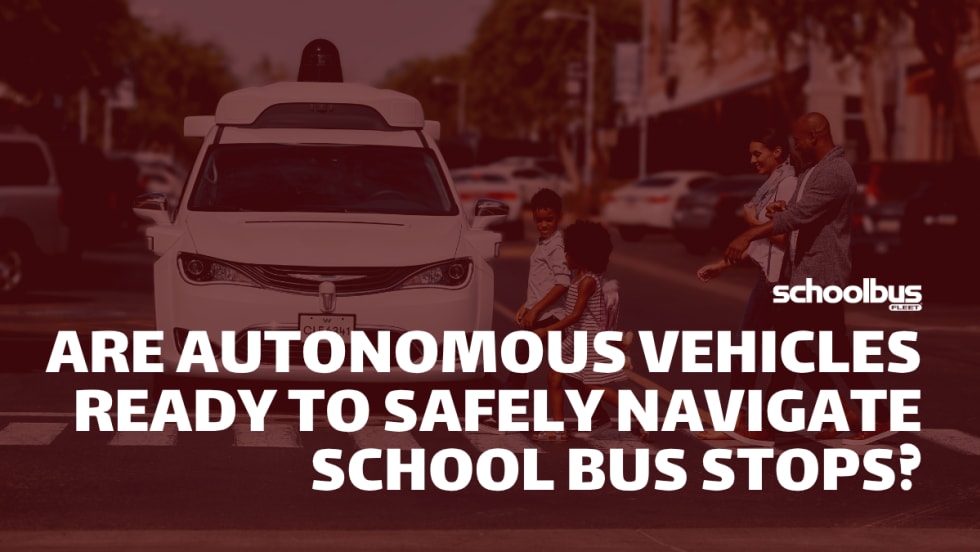
Are Autonomous Vehicles Ready to Safely Navigate School Bus Stops?
NHTSA is accelerating autonomous vehicle deployment through new safety standards and commercial approvals. See why school transportation leaders are watching.
Read More →
NFL Star Lomas Brown Kicks Off New Illegal School Bus Passing PSA
Just in time for the back-to-school season, the former Detroit Lions offensive tackle took time to record a video encouraging motorists to slow down around school buses.
Read More →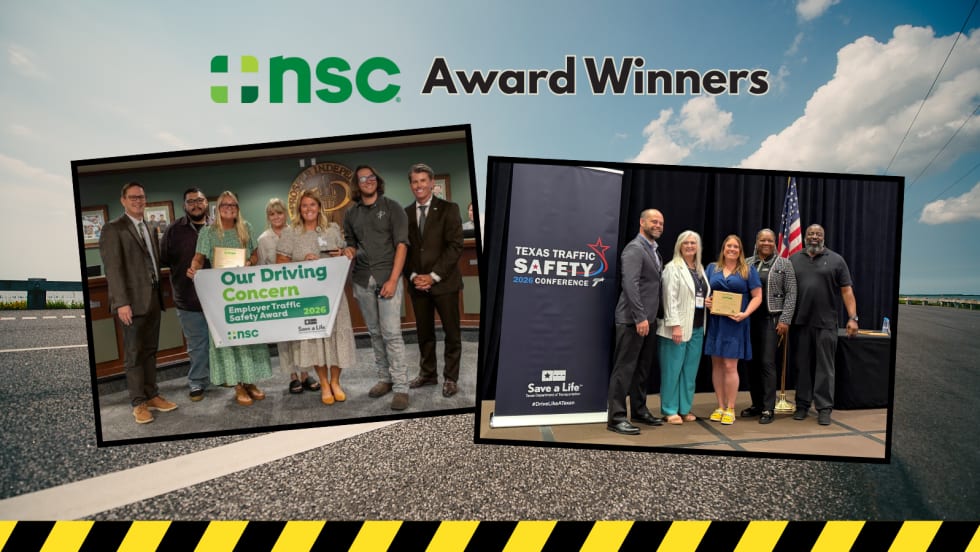
How Two Texas Districts Built Award-Winning Safety Programs
Learn how Prosper ISD and Rockwall ISD earned National Safety Council honors through hands-on training, safety culture, and strategies that reduced transportation incidents.
Read More →
NHTSA Releases 10-Year Review of Fatal School Bus Crashes
The latest federal analysis reinforces the safety of school buses while identifying where school-age pedestrians and other motorists remain most at risk.
Read More →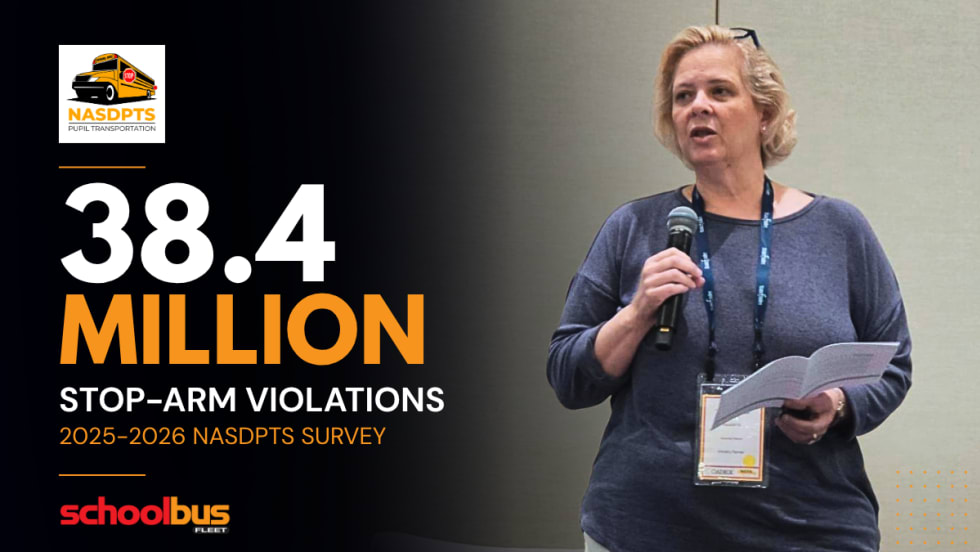
2026 NASDPTS Survey: Data Shows Further Reduction of Illegal Passing
New data is in! School bus stop-arm passings are down to 38.4 million violations per year, about a 2.3% decrease from last school year — but passings on the right side of the bus are higher than ever.
Read More →
Another School Bus Fatality Reported in Monsey, New York
A 7-year-old girl died after being struck by a school bus in Rockland County, New York while crossing the street. Here's what we know.
Read More →
NSTA Announces 2026 School Bus Driver International Safety Competition Winners
Drivers from across the U.S. and Canada showcased their safety and driving skills, with two defending champions successfully retaining their titles.
Read More →