




NSTA visits Capitol Hill
WASHINGTON, D.C. — The National Student Transportation Association (NSTA) held its annual spring meetings and visited lawmakers on Capitol Hill in...

WASHINGTON, D.C. — The National Student Transportation Association (NSTA) held its annual spring meetings and visited lawmakers on Capitol Hill in April.
Events included a Highway and Motor Carrier Risk Assessment Meeting held by the Transportation Security Administration (TSA) on April 29. Bill Arrington, general manager for the Highway and Motor Carrier Division, reported that TSA has hired contractors BayFirst Solutions and ABS Consulting to conduct the School Bus Security Assessment required by HR 1, the legislation brought about after Sept. 11, 2001. Along with NSTA, members of the National Association for Pupil Transportation and the National Association of State Directors of Pupil Transportation Services were in attendance.
“We’re going to continue to work to make sure that the TSA produces a threat assessment that is comprehensive,” Bob Etheridge (D-N.C.) said during NSTA’s Hill visits. He has introduced legislation called the School Power to Respond Act, which would make schools eligible for Homeland Security grants for emergency response.
During an opening dinner, FTA Deputy Administrator Sherry Little spoke about the new charter regulations that went into effect April 30. Little worked closely with NSTA and government representatives to negotiate the rule changes, the first in 30 years. She also emphasized FTA’s position on transit encroachment, despite two court rulings sanctioning tripper services.
She also recommended that NSTA members check U.S. Department of Transportation Secretary Mary Peters’ blog (www.fastlane.dot.gov) for upcoming FTA programs.
During the Hill visits on April 30, Rep. Mike Thompson (D-Calif.) discussed the Commercial Motor Vehicle Advanced Safety Technology Act, an incentive bill he introduced that would provide up to $1,500 in tax credit for private operators who install brake stroke monitoring, lane departure warning, collision warning or vehicle stability systems.
Jimmy Duncan (R-Tenn.), ranking Republican member of the Subcommittee on Highways and Transit, reported that the House Transportation and Infrastructure Committee is holding hearings in a bid to quickly pass next year’s reauthorization of SAFETEA- LU. He also introduced a resolution on the floor that day calling attention to the safety risks associated with transporting students on 15-passenger vans.
With the rising cost of fuel, climate change and the energy crisis were major discussion topics. NSTA members expressed concern that private operators are not currently able to access federal funding under the Diesel Emissions Reduction Act (DERA) for diesel retrofits and other green technology unless they apply through a non-profit organization. Attendees proposed to lawmakers the possibility of seeking mass transit funds from Congestion Mitigation and Air Quality (CMAQ) programs.
More Safety
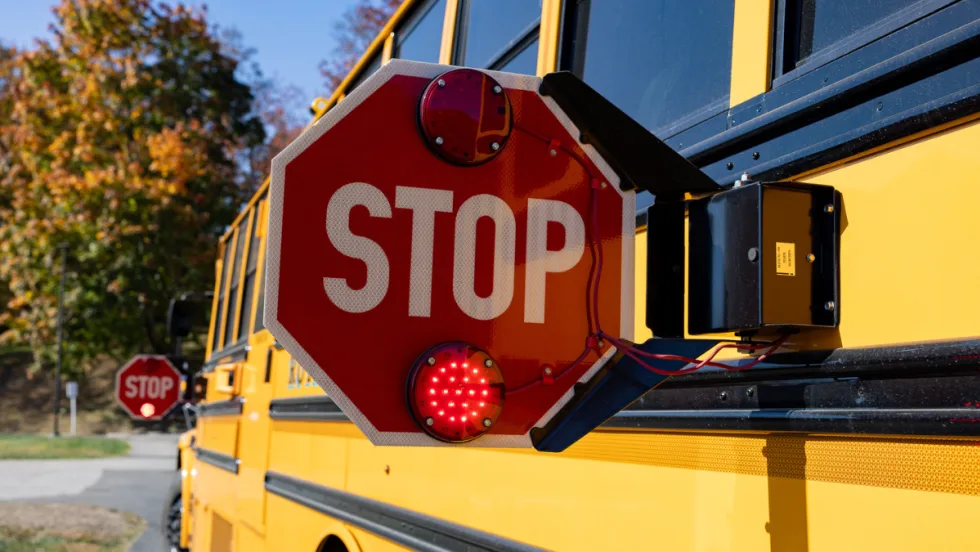
Illegal School Bus Passing Drops 24% in New York Districts
With fewer than 5% of citations involving repeat offenders, Westchester County officials said enforcement, education, and community partnerships are helping change driver behavior.
Read More →
School's Back. Here's What Happened to Traffic, Speeding & Distraction
What happens to traffic when school resumes? New data analysis examines changes in distracted driving, congestion, and speeding around schools.
Read More →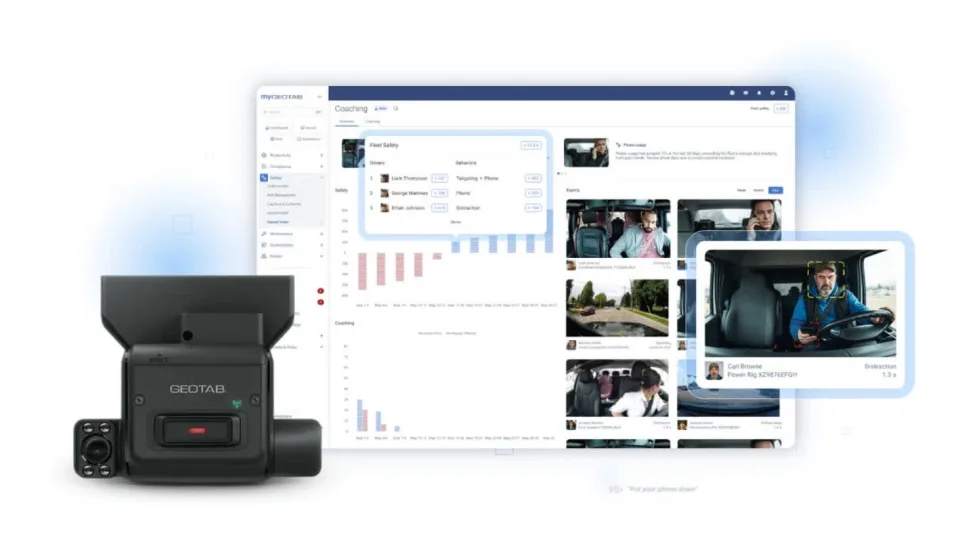
Geotab Expands Fleet Safety Tools With Video Coaching, Risk Insights
New safety and video capabilities aim to help fleet managers assess risk, support drivers, and take targeted action through video coaching, red-light violation detection, and more.
Read More →
How to Build a Better School Bus Driver Training Program
Is it time to strengthen your driver training? Here’s how to pick the right talent and improve recruitment, retention, and safety. This video is brought to you by IC Bus.
Read More →
Recent School Bus Accidents Leave 2 Dead, 2 Injured
Four school bus crashes in Florida, Illinois, and Georgia highlight risks in transportation lots, at bus stops, and during student loading and unloading.
Read More →
When Every Second Matters, Clarity Keeps Routes Moving
From routine delays to urgent incidents, strong communication practices help drivers, dispatchers, schools, and families respond with confidence.
Read More →
What Happens When a School Bus Catches Fire — and What Can Help
School bus fires are rare but can be devastating. Learn how advances in fire suppression and asset protection help fleets detect fires earlier, reduce damage, and improve safety.
Read More →
Geotab Launches Tool to Help Fleets Investigate Road Incidents
Geotab Investigations combines telematics data, video, documents, and other evidence to help fleets reconstruct incidents, resolve claims, and determine what happened.
Read More →
Texas Sixth Grader Wins 2026 National School Bus Safety Poster Contest
Sai Darshana Yekolu of Moseley Middle School in Prosper, Texas, was named the newest winner for her artwork, bringing the theme of “Safe Rides, Everyday Heroes” to life.
Read More →
Doing More With Less: How Transportation Directors Can Prioritize Safety Amid Budget Uncertainty
With diesel prices soaring and nearly one-third of transportation directors expecting budget cuts, maintaining student safety has never been more challenging. Download this guide to learn how leading districts are prioritizing risk, funding critical safety technology, and building stronger budget cases with data.
Read More →