




NSTA Advocacy in Action — Should alternative methods for drug and alcohol testing be allowed?
The National School Transportation Association believes that before commercial motor vehicle carriers are permitted to use an alternative to the current tests, there must be consensus that the alternate method is scientifically and technologically proven to be valid and reliable.

Ronna Weber is executive director of the National School Transportation
Association.
As an industry regulated under the Department of Transportation (DOT), school bus contractors across the U.S. are required to implement drug and alcohol testing for their safety-sensitive transportation employees.
In one of the few regulatory areas where private and public school bus providers are under the same regulations, public school districts are also required to be compliant with federal drug and alcohol testing requirements.
Governed under the Federal Motor Carrier Safety Administration (FMCSA), those holding commercial driver’s licenses and operating vehicles carrying 16 passengers or more (including the driver) are required to be screened for drugs and alcohol.
The required drug tests cover five classes of drugs: marijuana, cocaine, opiates, amphetamines and methamphetamines, and phencyclidine (PCP). This type of test is required in these scenarios: pre-employment, random, reasonable suspicion, certain post-accident, return-to-duty and follow-up.
The Department of Health and Human Services (HHS) issues mandatory guidelines. Then, FMCSA dictates how these tests are to be administered. Currently, urine testing is the only method allowed for federal compliance.
In recent months, however, the Substance Abuse and Mental Health Services Administration (SAMHSA) of HHS has issued notices requesting comment and information on allowing hair follicle and oral fluid testing as alternatives to urine testing.
In addition to these regulatory notices, legislation has been introduced in Congress. Sen. John Boozman (R-Ariz.) and Rep. Eric Crawford (R-Ariz.) have introduced legislation that would allow motor carriers that have used hair testing in their own companies for at least a year to use hair testing as an acceptable alternative to urinalysis to detect the use of controlled substances for pre-employment and random drug testing.
The National School Transportation Association (NSTA) believes that before commercial motor vehicle carriers are permitted to use an alternative to the current urine tests, there must be consensus that the alternate method is scientifically and technologically proven to be valid and reliable and that it is accompanied by testing standards approved by SAMHSA. A lack of clarity on federal drug testing requirements for commercial motor vehicle drivers will not enhance safety.
In addition, NSTA believes that any new drug testing method should be usable and reliable for all required tests instead of only a few tests, to ensure clarity and enhance safety.
NSTA supports DOT drug and alcohol testing programs as an important component of continuing the strong record of safety for the transportation of schoolchildren across the country. A culture of safety must permeate everything we do. School bus drivers typically have a positive random rate of 1% or less, indicative of the strong safety culture of our industry.
Hair follicle testing involves testing a sampling of hair. Some studies have shown that this type of testing is effective and that it allows drugs to be detected over a longer period of time. Other studies have shown that hair can be easily manipulated by the environment, and using this testing method may lead to higher rates of false positives — which, if implemented, would cost school districts more money. Some consider this testing invasive, and costs are nearly double those of urine testing.
Oral fluid testing involves swabbing the inside of the mouth and testing the swab. This test is less invasive and avoids any privacy concerns associated with urine testing. In addition, some studies have shown that oral fluid and urine test results are substantially similar and that oral fluid may have some inherent advantages when used as a specimen for drug testing. Of concern, however, is that in general, detection times in oral fluid — meaning the time to detect drugs or alcohol — are somewhat shorter than observed for urine. In oral fluid, drugs are detected five to 48 hours after use; in urine, the detection time is 1.5 to four days or longer with chronic drug use.
So what is the process for approving any drug testing alternatives? SAMHSA must move first, and if it decides to proceed with allowing any alternative form of testing, the agency would issue a notice of proposed rulemaking (NPRM). Any proposal would have to go through the rulemaking process.
It would then be up to DOT to issue an NPRM on any necessary revisions to the current testing procedures for safety-sensitive transportation workers, including all school bus drivers. DOT would also have to proceed through the rulemaking process.
NSTA believes that a comprehensive review by both agencies, in the right order, will ensure the safety of all commercial motor vehicle drivers and, more importantly, the continued safety of our nation’s schoolchildren.
More Safety
Illegal School Bus Passing Drops 24% in New York Districts
With fewer than 5% of citations involving repeat offenders, Westchester County officials said enforcement, education, and community partnerships are helping change driver behavior.
Read More →
School's Back. Here's What Happened to Traffic, Speeding & Distraction
What happens to traffic when school resumes? New data analysis examines changes in distracted driving, congestion, and speeding around schools.
Read More →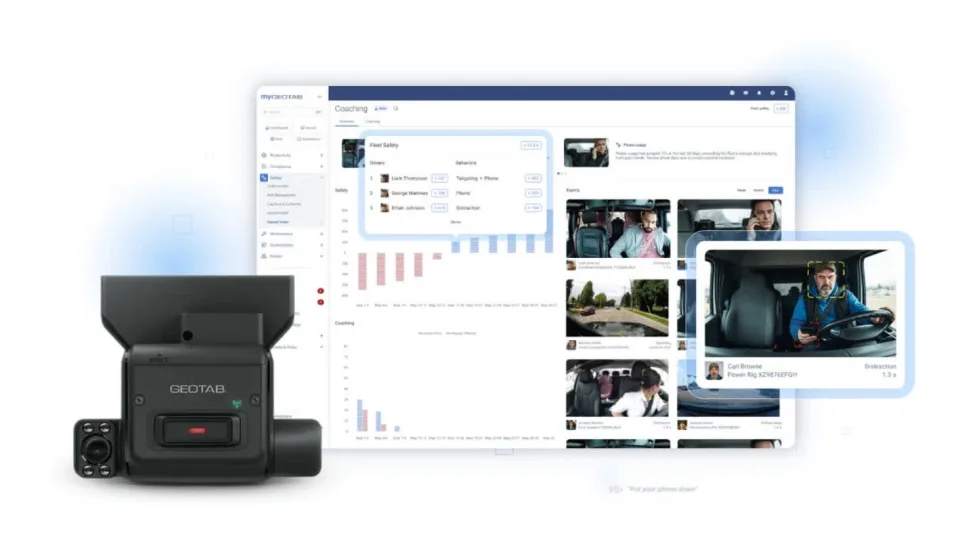
Geotab Expands Fleet Safety Tools With Video Coaching, Risk Insights
New safety and video capabilities aim to help fleet managers assess risk, support drivers, and take targeted action through video coaching, red-light violation detection, and more.
Read More →

How to Build a Better School Bus Driver Training Program
Is it time to strengthen your driver training? Here’s how to pick the right talent and improve recruitment, retention, and safety. This video is brought to you by IC Bus.
Read More →
Recent School Bus Accidents Leave 2 Dead, 2 Injured
Four school bus crashes in Florida, Illinois, and Georgia highlight risks in transportation lots, at bus stops, and during student loading and unloading.
Read More →
When Every Second Matters, Clarity Keeps Routes Moving
From routine delays to urgent incidents, strong communication practices help drivers, dispatchers, schools, and families respond with confidence.
Read More →
What Happens When a School Bus Catches Fire — and What Can Help
School bus fires are rare but can be devastating. Learn how advances in fire suppression and asset protection help fleets detect fires earlier, reduce damage, and improve safety.
Read More →
Geotab Launches Tool to Help Fleets Investigate Road Incidents
Geotab Investigations combines telematics data, video, documents, and other evidence to help fleets reconstruct incidents, resolve claims, and determine what happened.
Read More →
Texas Sixth Grader Wins 2026 National School Bus Safety Poster Contest
Sai Darshana Yekolu of Moseley Middle School in Prosper, Texas, was named the newest winner for her artwork, bringing the theme of “Safe Rides, Everyday Heroes” to life.
Read More →
Doing More With Less: How Transportation Directors Can Prioritize Safety Amid Budget Uncertainty
With diesel prices soaring and nearly one-third of transportation directors expecting budget cuts, maintaining student safety has never been more challenging. Download this guide to learn how leading districts are prioritizing risk, funding critical safety technology, and building stronger budget cases with data.
Read More →