




North Carolina cracks down on stop-arm running
RALEIGH, N.C. — A weeklong, statewide program in early February aimed to diminish the persistent problem of stop-arm violations. As part of...

RALEIGH, N.C. — A weeklong, statewide program in early February aimed to diminish the persistent problem of stop-arm violations.
As part of “Operation Stop Arm,” the North Carolina State Highway Patrol was out in full force to catch motorists who illegally passed school buses. Some troopers tagged along on board with the children, while others followed buses in marked and unmarked patrol cars.
The event ran in conjunction with “Watch Out for the Child Week,” the cautionary title that Gov. Mike Easley bestowed on Feb. 7 through 11.
Officials from several state departments, including the North Carolina Department of Crime Control & Safety and the Department of Public Instruction, held a press conference to commence the safety-themed week.
Once the week drew to a close, troopers had followed more than 1,400 buses and ridden along on 163 buses. More than 2,800 charges were filed during the program, including 29 for passing a stopped school bus.
Derek Graham, section chief of transportation services for the North Carolina Department of Public Instruction, said he hopes Operation Stop Arm will raise awareness of the stop-arm running problem throughout the state.
“Public education is the primary weapon in this battle,” Graham said. “This kind of program generates press coverage, which is the only way to get the word out on a widespread basis.”
Graham characterized the pass-by problem as “very big” and said it’s on the increase, pointing to one-day stop-arm violation counts in North Carolina over the past few years. The total number of violations reported on the sample day in 2004 was 2,188, up from 2,097 the previous year. The proportion of buses reporting violations rose gradually from 11.8 percent in 2000 to 16.3 percent in 2004.
Given the severity of the problem and the necessity of spreading the word about it, Graham said he thinks Operation Stop Arm or other similar programs should be held often.
Rhonda Fleming, the operations manager for transportation at Winston-Salem/Forsyth County Schools, agreed. “There should be at least two weeks out of every school year — one in spring and one in fall — when we have a heightened awareness of the problematic areas in each school system,” she said. “The media was very kind to our school district and helped to get the message out to the public.”
The transportation department at Winston-Salem/Forsyth recently began additional measures to stop illegal pass-bys. On Feb. 4, the district reconvened its School Bus Stop Arm Task Force, which was formed in 1999 but had been on hiatus.
Fleming said that earlier in the school year, a student was struck by a vehicle that had run a stop arm. Fortunately, the girl recovered. But the incident was a stark reminder of what is at stake.
The renewed task force began working with the media, police and other groups to promote education on the matter.
“With the cooperation of the public, school bus drivers, law enforcement and judges, we can put a stop to stop-arm violations,” Fleming said.
More Safety
School's Back. Here's What Happened to Traffic, Speeding & Distraction
What happens to traffic when school resumes? New data analysis examines changes in distracted driving, congestion, and speeding around schools.
Read More →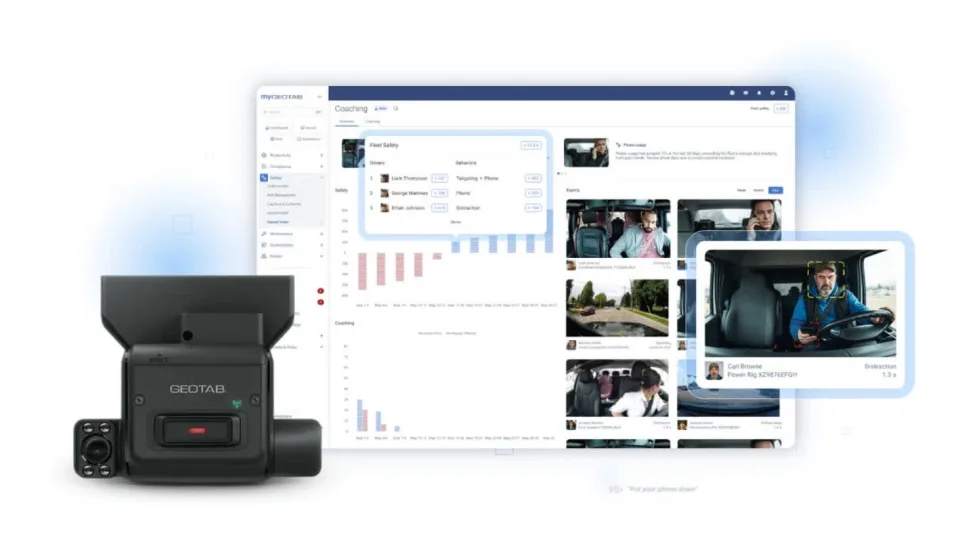
Geotab Expands Fleet Safety Tools With Video Coaching, Risk Insights
New safety and video capabilities aim to help fleet managers assess risk, support drivers, and take targeted action through video coaching, red-light violation detection, and more.
Read More →
How to Build a Better School Bus Driver Training Program
Is it time to strengthen your driver training? Here’s how to pick the right talent and improve recruitment, retention, and safety. This video is brought to you by IC Bus.
Read More →

Recent School Bus Accidents Leave 2 Dead, 2 Injured
Four school bus crashes in Florida, Illinois, and Georgia highlight risks in transportation lots, at bus stops, and during student loading and unloading.
Read More →
When Every Second Matters, Clarity Keeps Routes Moving
From routine delays to urgent incidents, strong communication practices help drivers, dispatchers, schools, and families respond with confidence.
Read More →
What Happens When a School Bus Catches Fire — and What Can Help
School bus fires are rare but can be devastating. Learn how advances in fire suppression and asset protection help fleets detect fires earlier, reduce damage, and improve safety.
Read More →
Geotab Launches Tool to Help Fleets Investigate Road Incidents
Geotab Investigations combines telematics data, video, documents, and other evidence to help fleets reconstruct incidents, resolve claims, and determine what happened.
Read More →
Texas Sixth Grader Wins 2026 National School Bus Safety Poster Contest
Sai Darshana Yekolu of Moseley Middle School in Prosper, Texas, was named the newest winner for her artwork, bringing the theme of “Safe Rides, Everyday Heroes” to life.
Read More →
Doing More With Less: How Transportation Directors Can Prioritize Safety Amid Budget Uncertainty
With diesel prices soaring and nearly one-third of transportation directors expecting budget cuts, maintaining student safety has never been more challenging. Download this guide to learn how leading districts are prioritizing risk, funding critical safety technology, and building stronger budget cases with data.
Read More →
Walton County Schools Adds Gatekeeper Stop-Arm Enforcement System
The Florida district will deploy Gatekeeper’s updated Student Protector technology, which now incorporates AI to improve video evidence.
Read More →