




NHTSA won't be rushed into upgrading bus safety
It appears that the National Highway Traffic Safety Administration’s (NHTSA) two-year research program to create “the next generation of occupant protection in school buses” is going to stretch into a three-year program — or beyond.
I think it was legendary UCLA basketball coach John Wooden who said, “Be quick, but don’t rush.” Any advice from a man who guided college basketball teams to 10 NCAA championships is worthwhile, but this insight seems particularly appropriate for the pupil transportation industry, especially as it searches for ways to improve occupant protection on school buses. It appears that the National Highway Traffic Safety Administration’s (NHTSA) two-year research program to create “the next generation of occupant protection in school buses” is going to stretch into a three-year program — or beyond. Although the original proposal suggested that a report would be issued this past summer, few people in the pupil transportation industry believed that it would be delivered on schedule. Now that we’ve reached the end of 2000 and still no report is in the offing, it’s obvious that the timeline was unrealistic.
Let’s not be hasty
NHTSA’s decision to sail past its own deadline is a good one. It has been more than two decades since compartmentalization — the last major improvement in school bus passenger protection — was promulgated. Because compartmentalization has been so effective in protecting students, we should not rush the process to modify or replace it. Some state governments, however, have chosen to move forward with their own school bus safety initiatives. Florida lawmakers, for example, determined a couple of years ago that all school buses, large and small, should be equipped with an active restraint system. As it turns out, their decision leapfrogged NHTSA’s research program. The result is that all Florida school buses purchased after Dec. 31, 2000, must be equipped with lap belts, a restraint system that NHTSA believes provides no benefits to compartmentalization and could actually increase the harm to passengers, especially small children, in certain types of crashes. The legislators who voted for this measure could rue their premature decision once NHTSA issues its proposed rulemaking. Suppose the safety agency mandates a three-point shoulder/lap system in all school buses? The money spent to equip thousands of buses with lap belts will have been wasted. Even if NHTSA issued a proposed rulemaking tomorrow, it still would be several years before it could be adopted as a final rule. In the meantime, Florida school districts would continue to pay an extra $750 to $1,200 for lap belts in large school buses. That’s money that could be better spent.
But let’s not tarry either
Although we need to be patient as NHTSA continues its study of occupant protection, the federal agency should push forward with a sense of urgency. There are improvements to compartmentalization that can and should be made. As I said earlier, compartmentalization has served this industry well, but it’s time for change. Since 1977, when compartmentalization was mandated on new school buses, we’ve seen steady improvements to the exterior of the school bus with equipment such as stop arms, crossing gates and improved mirror systems. Meanwhile, the interior of the vehicle essentially has remained the same. The frequency of school bus vs. heavy truck crashes seems to be on the rise, inflicting serious injuries, and sometimes death, on the passengers. Doubtless, we will continue to see an increase in these types of crashes as truckers increase their presence on secondary roads. We can’t afford to sit still, and yet we can’t afford to rush headlong into ill-conceived changes. In his wisdom, both about basketball and life in general, John Wooden had another insight that provides some guidance: “Failure is not fatal, but failure to change might be.”
More Safety

How to Build a Better School Bus Driver Training Program
Is it time to strengthen your driver training? Here’s how to pick the right talent and improve recruitment, retention, and safety. This video is brought to you by IC Bus.
Read More →
Recent School Bus Accidents Leave 2 Dead, 2 Injured
Four school bus crashes in Florida, Illinois, and Georgia highlight risks in transportation lots, at bus stops, and during student loading and unloading.
Read More →
When Every Second Matters, Clarity Keeps Routes Moving
From routine delays to urgent incidents, strong communication practices help drivers, dispatchers, schools, and families respond with confidence.
Read More →

What Happens When a School Bus Catches Fire — and What Can Help
School bus fires are rare but can be devastating. Learn how advances in fire suppression and asset protection help fleets detect fires earlier, reduce damage, and improve safety.
Read More →
Geotab Launches Tool to Help Fleets Investigate Road Incidents
Geotab Investigations combines telematics data, video, documents, and other evidence to help fleets reconstruct incidents, resolve claims, and determine what happened.
Read More →
Texas Sixth Grader Wins 2026 National School Bus Safety Poster Contest
Sai Darshana Yekolu of Moseley Middle School in Prosper, Texas, was named the newest winner for her artwork, bringing the theme of “Safe Rides, Everyday Heroes” to life.
Read More →
Doing More With Less: How Transportation Directors Can Prioritize Safety Amid Budget Uncertainty
With diesel prices soaring and nearly one-third of transportation directors expecting budget cuts, maintaining student safety has never been more challenging. Download this guide to learn how leading districts are prioritizing risk, funding critical safety technology, and building stronger budget cases with data.
Read More →
Walton County Schools Adds Gatekeeper Stop-Arm Enforcement System
The Florida district will deploy Gatekeeper’s updated Student Protector technology, which now incorporates AI to improve video evidence.
Read More →
How To Build a More Secure School Bus Yard During and After Hours
As thefts and overnight security threats continue, school transportation leaders are combining stronger operational practices with AI-enabled surveillance to better protect buses, facilities, and staff.
Read More →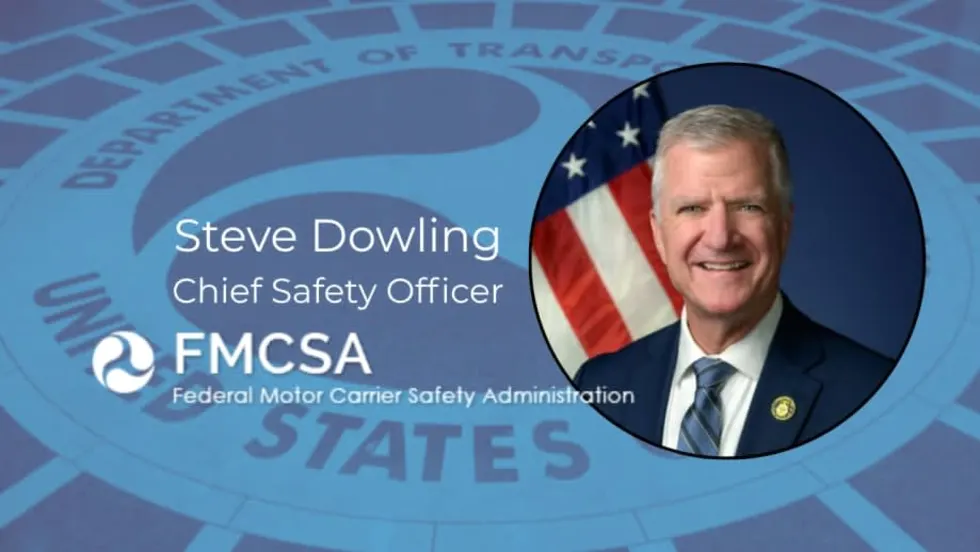
FMCSA Names New Chief Safety Officer: What School Bus Operators Should Know
Steve Dowling is set to lead the federal agency's efforts to advance commercial motor vehicle safety and reduce crashes, fatalities, and injuries on the nation's roadways.
Read More →