




New type of school bus has great potential
Now that the nation’s fleet of 450,000 school buses is again embracing the challenge of transporting 24 million children to and from school each day, ...
Now that the nation’s fleet of 450,000 school buses is again embracing the challenge of transporting 24 million children to and from school each day, I’d like to air my opinions on a couple of positive developments initiated by our friends in Washington, D.C.
The first is the establishment of a new class of school buses, one that I believe will help to replace the 12- to 15-passenger vans currently operated by far too many schools and Head Start grantees.
The multifunction school activity bus, more easily called MFSAB ("miff-sab"), was adopted by the National Highway Traffic Safety Administration (NHTSA) in a final rule that took effect in late August.
The MFSAB, which cannot be used for home-to-school transportation, is an ideal alternative to the non-conforming van, which, as we all know, is not nearly as safe as a school bus for a variety of reasons that I’m sure you’re all familiar with.
Unlike a school bus, the MFSAB isn’t required to have traffic-control devices such as stop arms and flashing warning lights — the basic safeguards for picking children up or dropping them off at roadside locations. The MFSABs are required, however, to meet all other school bus crashworthiness and post-crash standards.
Perfect for Head Start
For these reasons, MFSABs are ideal for Head Start transportation or for busing students from a school to an after-school facility. Another benefit is that the final rule will help Head Start grantees obtain funding for buses through the Federal Transit Administration.
The MFSABs can also be used for coordinated transportation. For example, Head Start agencies could use the buses to transport children from Head Start facilities to schools in the morning, and local social service agencies could use the buses in the afternoon to transport the elderly.
So who’s going to be driving these buses? According to NHTSA, a passenger endorsement will be required, but not necessarily a school bus license. Each state will make its own decision on that count. Because safety is paramount, I would urge state agencies to require the school bus certification.
Requiring this licensing is also important because NHTSA officials decided, wisely, not to limit the size of the MFSABs to a maximum GVWR of 15,000 pounds. That means that drivers of MFSABs could be piloting buses of 26,000 pounds GVWR or more, a challenging task even for experienced school bus drivers.
Vans can be safer
Less than a week after NHTSA published its final rule on the MFSAB, the National Transportation Safety Board (NTSB) issued a series of recommendations regarding 12- and 15-passenger vans.
Foremost among its recommendations, the NTSB urged the appropriate federal agencies and national associations to develop a program that trains drivers to safely operate 12- and 15-passenger vans. Especially when fully loaded, these vans can be difficult to handle in emergency situations.
In addition, the safety board urged NHTSA to require that new vans meet FMVSS 216 (roof crush resistance) because these vehicles are involved in a higher percentage of rollover accidents than cars and smaller vans.
Non-conforming vans are not as safe as school buses for transporting children, but they are out there. We need to make sure they’re operated as safely as possible.
More Safety

HopSkipDrive Reports Progress on Safety Advisory Council
More than a year after forming the council, independent safety experts have helped shape new rider-safety features and policy progress, with a new goal to address rider behavior.
Read More →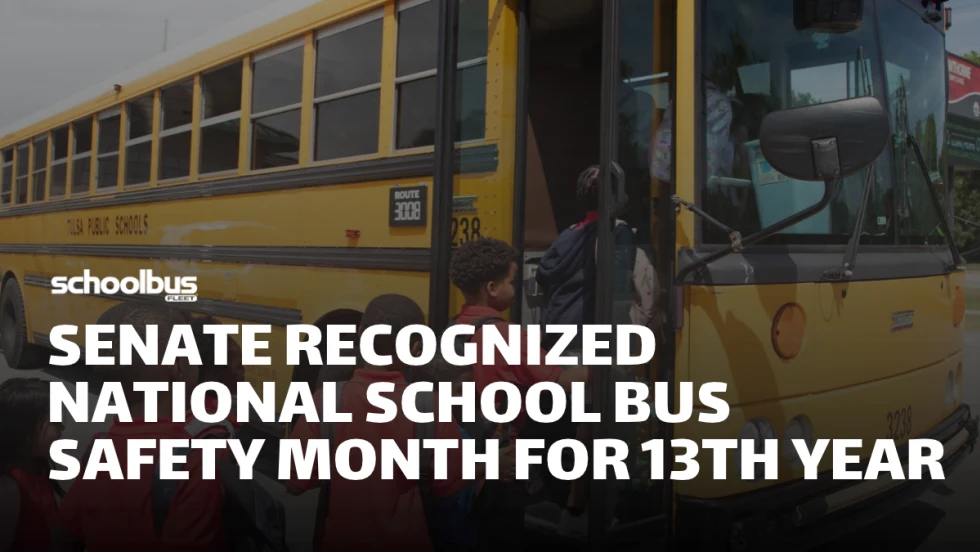
What the 2026 National School Bus Safety Month Resolution Means for Student Transportation
The bipartisan resolution highlights illegal school bus passing, student safety during loading and unloading, and the need for driver training and public education.
Read More →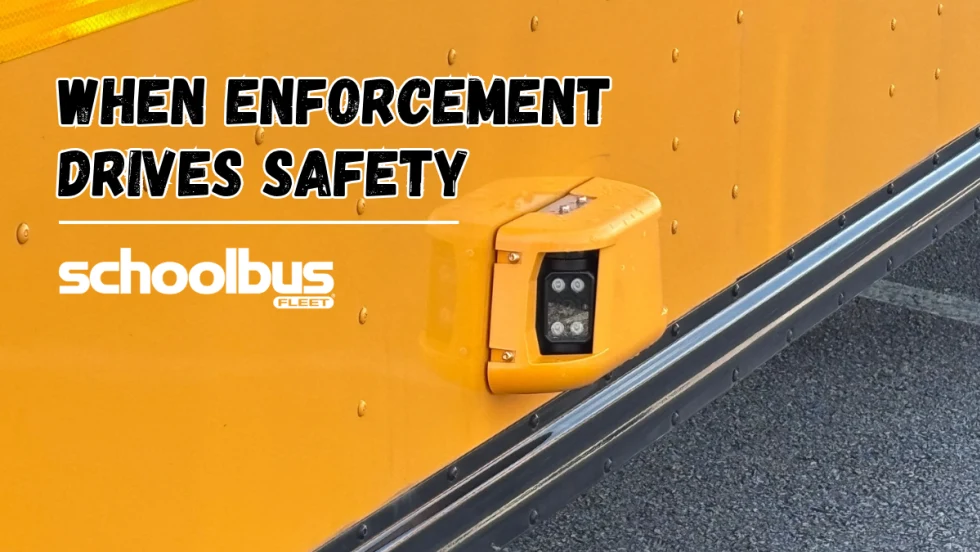
School Bus Stop-Arm Violations Decline 53% Across Verra Mobility Programs
Verra Mobility shares how school bus stop-arm cameras and school zone safety programs are changing driver behavior, reducing violations, and protecting students.
Read More →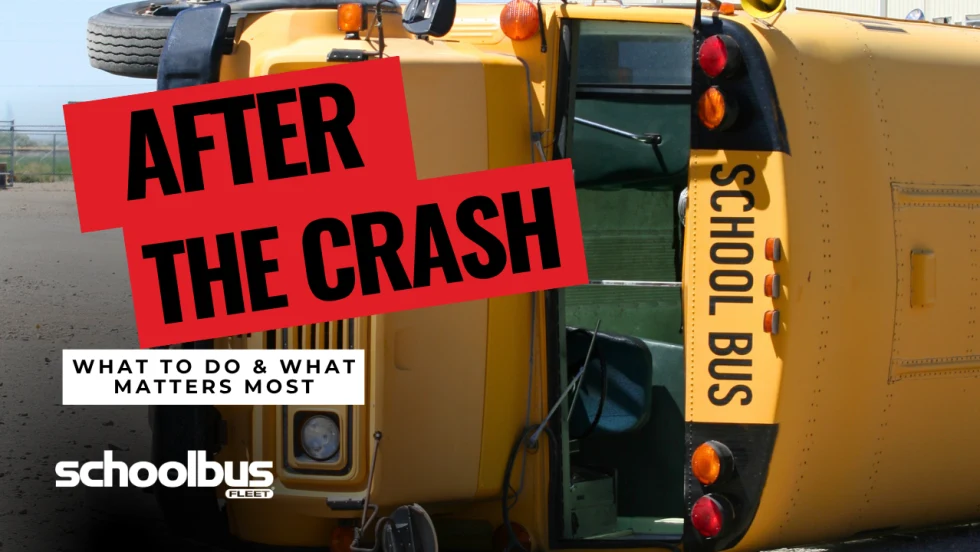
Most Bus Crashes Aren’t Your Fault. Here’s How to Prove It.
A guide for what to do in between a school bus crash and a claim: what to preserve, who to notify, and how to keep the facts available when they matter.
Read More →
National School Bus Safety Week 2026: Tips, Toolkits & Resources to Keep Students Safe
School bus safety takes more than awareness. Explore expert tips, enforcement strategies, and free resources to help protect students on every ride.
Read More →
2 Killed, Dozens Injured in Florida School Bus Crash
A multi-vehicle collision caused a Polk County school bus carrying 37 students to overturn on its way to Winter Haven High School.
Read More →
Illegal School Bus Passing Drops 24% in New York Districts
With fewer than 5% of citations involving repeat offenders, Westchester County officials said enforcement, education, and community partnerships are helping change driver behavior.
Read More →
School's Back. Here's What Happened to Traffic, Speeding & Distraction
What happens to traffic when school resumes? New data analysis examines changes in distracted driving, congestion, and speeding around schools.
Read More →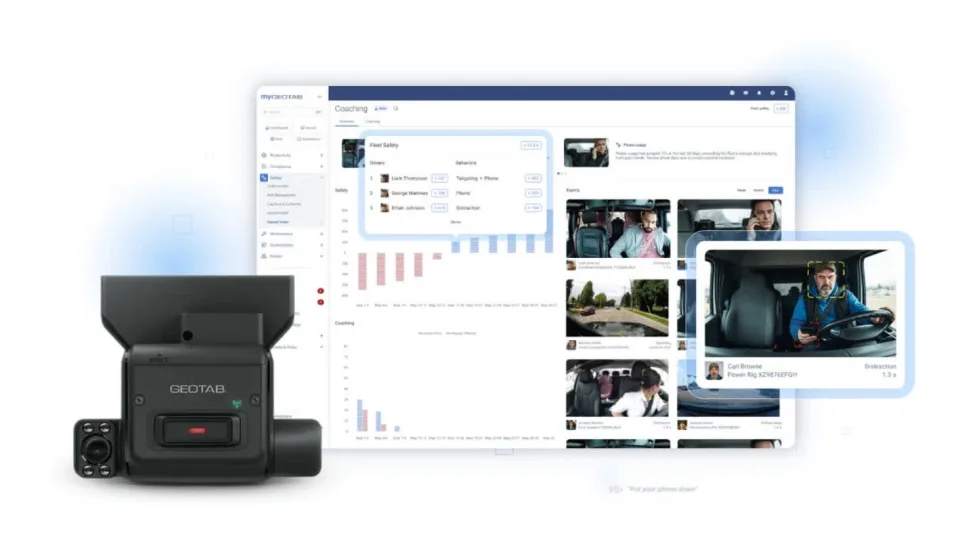
Geotab Expands Fleet Safety Tools With Video Coaching, Risk Insights
New safety and video capabilities aim to help fleet managers assess risk, support drivers, and take targeted action through video coaching, red-light violation detection, and more.
Read More →
How to Build a Better School Bus Driver Training Program
Is it time to strengthen your driver training? Here’s how to pick the right talent and improve recruitment, retention, and safety. This video is brought to you by IC Bus.
Read More →