




New NHTSA study spurs hope, anxiety
Something is gaining on the school transportation industry. It’s the mounting pressure to address the issue of seat belts on school buses.
Baseball hall-of-famer Satchel Paige once said, "Don’t look back because something may be gaining on you." True, something may be gaining on you, but what if it’s the guy who found your wallet and wants to return it? Something is gaining on the school transportation industry. It’s the mounting pressure to address the issue of seat belts on school buses. Certainly, that pressure has existed for several years, but it’s been ratcheted to a higher level recently by media coverage, specifically CNN’s controversial segments on school bus safety, and a growing unease that something can - and should - be done to improve passenger safety. Accidents such as the Monticello, Minn., tragedy, in which a school bus was broadsided by a gravel truck, killing three children, and the Flagstaff, Ariz., roll-over bus accident in which 31 children were injured, including five who were ejected from the vehicle, have prompted the National Transportation Safety Board to look more closely at the crashworthiness of school buses. And many industry stalwarts believe it’s finally time to confront the issue of seat belts on school buses with more than a lecture about the benefits of compartmentalization.
Step in the right direction
Toward that end, the National Highway Traffic Safety Administration’s (NHTSA) plan to re-evaluate the school bus occupant protection system (see Industry News) is perfectly timed. Now what the industry needs is to participate as much as possible in the project. According to the plan, NHTSA will publish a notice in the Federal Register asking the public for input on what type of systems should be tested. Some obvious suggestions are lap belts, three-point shoulder/lap restraints and padded arm rests. It must be noted, however, that NHTSA requires that proposed systems do more than simply reduce the number of injuries and fatalities. According to the plan, any system that NHTSA tests must be "reasonable in cost and [cannot] substantially reduce the occupant capacity of school buses or substantially inhibit emergency evacuation." Does that remove from consideration lap belts and three-point restraints? Both would inhibit an emergency evacuation to some degree, and three-point restraints most likely would reduce the seating capacity. I guess that depends on how you define "substantially."
A solution or a problem?
Let’s say, however, that NHTSA agrees that lap belts and three-point restraints meet the criteria and discover through research and crash testing that one or the other is the most effective method of reducing injuries and fatalities. Parents would be happy; the media would find a new controversy to pursue; and school bus operators would have a real problem on their hands. Without speculating about the specific cost of adding these restraints to a school bus, it’s pretty clear that it would be "significant," though perhaps not "substantial." What I mean by significant is that school bus operators would have to modify their buying habits, either buying fewer buses (and possibly reducing service through extended walking distances) or spec’ing fewer options that could provide safety benefits, say, outside the bus, where the majority of children are killed in school bus-related accidents. The question then becomes: Would this "next generation of occupant protection system" prove to be the solution we’re looking for? Or would it place a greater burden on school bus operators, who, justifiably, can claim that they’re already providing the safest form of surface transportation? I don’t have answers to these questions. I don’t think anybody does. But NHTSA should be prepared to wrestle with these concerns as it strives to improve passenger protection.
More Safety

How to Build a Better School Bus Driver Training Program
Is it time to strengthen your driver training? Here’s how to pick the right talent and improve recruitment, retention, and safety. This video is brought to you by IC Bus.
Read More →
Recent School Bus Accidents Leave 2 Dead, 2 Injured
Four school bus crashes in Florida, Illinois, and Georgia highlight risks in transportation lots, at bus stops, and during student loading and unloading.
Read More →
When Every Second Matters, Clarity Keeps Routes Moving
From routine delays to urgent incidents, strong communication practices help drivers, dispatchers, schools, and families respond with confidence.
Read More →

What Happens When a School Bus Catches Fire — and What Can Help
School bus fires are rare but can be devastating. Learn how advances in fire suppression and asset protection help fleets detect fires earlier, reduce damage, and improve safety.
Read More →
Geotab Launches Tool to Help Fleets Investigate Road Incidents
Geotab Investigations combines telematics data, video, documents, and other evidence to help fleets reconstruct incidents, resolve claims, and determine what happened.
Read More →
Texas Sixth Grader Wins 2026 National School Bus Safety Poster Contest
Sai Darshana Yekolu of Moseley Middle School in Prosper, Texas, was named the newest winner for her artwork, bringing the theme of “Safe Rides, Everyday Heroes” to life.
Read More →
Doing More With Less: How Transportation Directors Can Prioritize Safety Amid Budget Uncertainty
With diesel prices soaring and nearly one-third of transportation directors expecting budget cuts, maintaining student safety has never been more challenging. Download this guide to learn how leading districts are prioritizing risk, funding critical safety technology, and building stronger budget cases with data.
Read More →
Walton County Schools Adds Gatekeeper Stop-Arm Enforcement System
The Florida district will deploy Gatekeeper’s updated Student Protector technology, which now incorporates AI to improve video evidence.
Read More →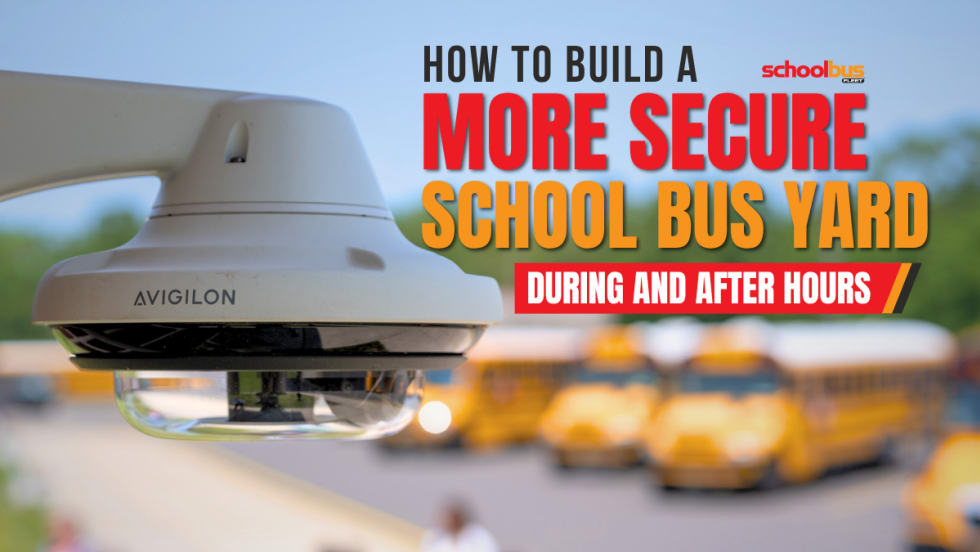
How To Build a More Secure School Bus Yard During and After Hours
As thefts and overnight security threats continue, school transportation leaders are combining stronger operational practices with AI-enabled surveillance to better protect buses, facilities, and staff.
Read More →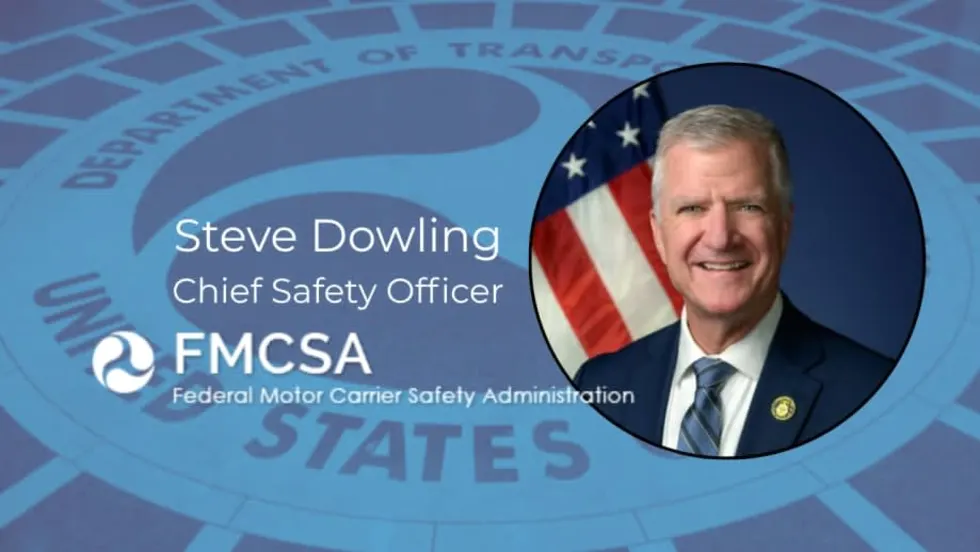
FMCSA Names New Chief Safety Officer: What School Bus Operators Should Know
Steve Dowling is set to lead the federal agency's efforts to advance commercial motor vehicle safety and reduce crashes, fatalities, and injuries on the nation's roadways.
Read More →