




New equipment options help improve safety record
For these unfortunate situations where there was nothing the driver could or shouldn’t have done to prevent the accident, we must look to other measures.
When it comes to safety, most of the industry’s attention is focused on drivers — hiring and retaining drivers with good safety records and effective training programs and techniques. The human factor is the cause of a significant number of school bus accidents, and money and attention invested here usually pays the biggest dividends. Not all accidents can be prevented with better driving habits, however. For these unfortunate situations where there was nothing the driver could or shouldn’t have done to prevent the accident, we must look to other measures.
Manufacturers offer help
The industry’s equipment manufacturers are acutely aware of these human limitations. In fact, many companies have developed some interesting new products that can help improve the industry’s already laudable safety record. Much of this new equipment is designed specifically to improve safety. Some of these new products, however, are not necessarily designed with better safety in mind, but have a subtle but positive improvement in the physical safety of school buses. In this issue, Executive Editor Steve Hirano’s article "Product Enhancement Improves Safety Margins" discusses both categories of these new products. For example, in the former camp, new features like heated, remote-control mirrors and heated step treads reduce distractions for the driver, allowing him to focus on the road. The more obvious safety improvements include crossing gates, roof-mounted strobe lights and communication systems (two-way radios, cell phones and exterior PA systems).
While some of these have been around awhile, they have been upgraded for an extra margin of safety and cost-effectiveness, as Steve points out. While many of these are new to pupil transportation, they are not totally untried. This means two things. First, they aren’t very expensive, because larger industries, such as automobile manufacturing, have had them for years. Intermittent wiper controls come to mind here. Secondly, they are proven technologies, meaning their safety impact has already been demonstrated and should be well-known to school board members and district business officials wondering about their effectiveness in preventing accidents. Again, car and truck manufacturers can attest to this regarding heated mirrors. For those of you still skeptical that officials will ever approve of additional funds for these items I suggest that you contact the manufacturers. They would be happy to demonstrate the extra margin of safety these new products can provide, and on your next order of new buses the additional cost is pretty nominal — especially when the safety of school kids is at stake.
But driver training still needed
This is not to say that these new features will eliminate the need for driver training or even reduce it. Both driver training and safety-enhancing equipment are needed in a two-pronged offensive against school bus accidents. I also think you could make a strong case that, like driver training, these additional equipment costs are investments, with the return being fewer accidents. That also means lower insurance premiums, and, thus, an overall savings in the operating budget of your company or school district. All of these are strong selling points to school officials. At the start of another new academic year, there’s no better time to review your safety plan. This year, that should include visits to local dealers and industry trade shows to check out the latest equipment improvements.
More Safety
School's Back. Here's What Happened to Traffic, Speeding & Distraction
What happens to traffic when school resumes? New data analysis examines changes in distracted driving, congestion, and speeding around schools.
Read More →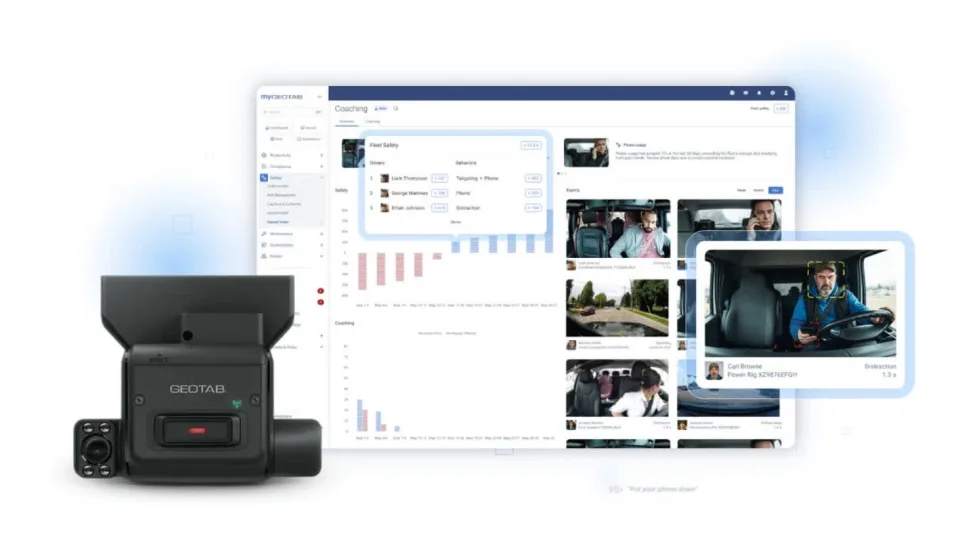
Geotab Expands Fleet Safety Tools With Video Coaching, Risk Insights
New safety and video capabilities aim to help fleet managers assess risk, support drivers, and take targeted action through video coaching, red-light violation detection, and more.
Read More →
How to Build a Better School Bus Driver Training Program
Is it time to strengthen your driver training? Here’s how to pick the right talent and improve recruitment, retention, and safety. This video is brought to you by IC Bus.
Read More →

Recent School Bus Accidents Leave 2 Dead, 2 Injured
Four school bus crashes in Florida, Illinois, and Georgia highlight risks in transportation lots, at bus stops, and during student loading and unloading.
Read More →
When Every Second Matters, Clarity Keeps Routes Moving
From routine delays to urgent incidents, strong communication practices help drivers, dispatchers, schools, and families respond with confidence.
Read More →
What Happens When a School Bus Catches Fire — and What Can Help
School bus fires are rare but can be devastating. Learn how advances in fire suppression and asset protection help fleets detect fires earlier, reduce damage, and improve safety.
Read More →
Geotab Launches Tool to Help Fleets Investigate Road Incidents
Geotab Investigations combines telematics data, video, documents, and other evidence to help fleets reconstruct incidents, resolve claims, and determine what happened.
Read More →
Texas Sixth Grader Wins 2026 National School Bus Safety Poster Contest
Sai Darshana Yekolu of Moseley Middle School in Prosper, Texas, was named the newest winner for her artwork, bringing the theme of “Safe Rides, Everyday Heroes” to life.
Read More →
Doing More With Less: How Transportation Directors Can Prioritize Safety Amid Budget Uncertainty
With diesel prices soaring and nearly one-third of transportation directors expecting budget cuts, maintaining student safety has never been more challenging. Download this guide to learn how leading districts are prioritizing risk, funding critical safety technology, and building stronger budget cases with data.
Read More →
Walton County Schools Adds Gatekeeper Stop-Arm Enforcement System
The Florida district will deploy Gatekeeper’s updated Student Protector technology, which now incorporates AI to improve video evidence.
Read More →