




NAPT News & Views — CBS News Report Calls for Hard Look in the Mirror
NAPT's executive director says that despite a recent questionable news story, even one sexual predator behind the wheel of a school bus is one too many, and the industry should focus on ensuring it doesn’t happen again.
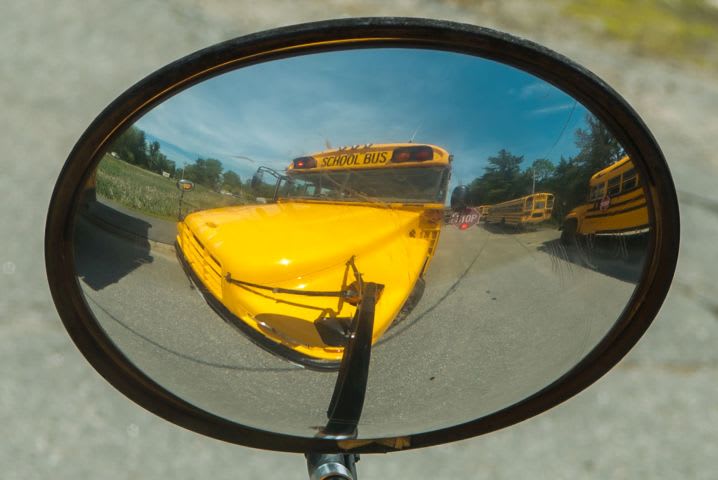
Photo by Michael Sevon
Photo by Michael Sevon
The recent release of a questionable story about school bus safety sparked a smoldering frustration among some in school transportation. There has even been an industry-wide call to arms, so to speak, encouraging people to express their feelings and voice their displeasure.
So, should we go after CBS News and correspondent Kris Van Cleave for what they said? (See “CBSNews investigation finds stunning lack of oversight of school bus drivers.") I’m not so sure.
Keep in mind as you read on from here that this is coming from someone who has tilted at plenty of windmills.
I’ve done battle with corporate giants like Radio Shack, Toyota, Nissan, and Microsoft and with agencies like the National Highway Traffic Safety Administration and the Federal Motor Carrier Safety Administration that, in my view, crossed the line. I’ve also taken on the media when necessary.
In other words, I am not afraid to fight, and you’ve seen me prove it for nearly 25 years. But I think we have to take a hard look in the mirror before we begin swinging this time.
Believe me, I wasn’t any happier to watch that report than any of you were. Like you, I’m frustrated for the variety of reasons that have been articulated by other angry people in our community.
The way I look at it, though, is that if we put even one sexual predator or child molester behind the wheel of a school bus full of children, that’s one too many. And, as Van Cleave pointed out, it appears to happen more than 50 times a year. That should be unacceptable to everyone in our industry, and what we should be doing right now is trying to ensure it doesn’t happen again.
Military bases often have signs urging “Zero Defects.” I think we should be committed to that goal, too. NAPT’s recent launch of the School Bus Driver Judgment and Risk Index is an effort to do just that — to make sure we hire the best and make sure they remain the best.
Even though we face a severe shortage of drivers, we must keep our standards high; in fact, I think we should strive to increase them, particularly now.
But maybe that’s just me.

Mike Martin is executive director of NAPT.
By the same token, I think the real question for us is not “Why did CBS call us out like that?” The real question is “Why is it so hard to talk about this issue objectively?”
To some degree, the fact that those incidents really happened is as unsettling to us as the fact that they were reported. We are intent on emphasizing the good that we do and the safety practices that we espouse. Safety is not just what we do; it’s who we are. Anyone who questions that is an adversary.
But if we do not allow ourselves a moment of clarity to see and appreciate the other side of the issue, we do ourselves and our children a disservice.
I offer for your consideration the recent public relations challenges faced by the U.S. Navy, which has been dealt a tremendous blow to its history and pride with the collisions in mid-sea of two significant ships, The Fitzgerald and The McCain. American sailors lost their lives in those episodes, so we mourn them as a nation and are frustrated as citizens and taxpayers that a preventable tragedy happened at all.
But we also now have to take a hard look at the training and systems management being implemented by our Navy leadership and the leaders aboard those ships. And that hard look will be a very public one because of the public investment of treasure and talent in our Navy.
Our industry needs to be willing to take that same hard look at everything we do. That means owning the fact that there are occasions when someone has put a sexual predator or child molester behind the wheel of a school bus full of children. And that’s simply unacceptable.
Our job #1 is to keep safe the children entrusted to us, and to whatever degree CBS News was accurate, it is clear that there are gaps in our safety programs that need to be found and closed. We must allow ourselves to learn from mistakes and problems. For, in truth, that is what we believe and how we have always acted.
In closing, I encourage all of you to be mindful of your role not only as pupil transportation professionals but as potential newsmakers. Our “cargo,” as some like to call the children who ride our school buses, is precious to every American and every family. When you work for the public, especially with children, you should not expect the media to provide a favorable perspective about you, about what you do, or about how well you do it.
If they do, that’s great. But if they don’t, at least you won’t be surprised.
More Safety
School's Back. Here's What Happened to Traffic, Speeding & Distraction
What happens to traffic when school resumes? New data analysis examines changes in distracted driving, congestion, and speeding around schools.
Read More →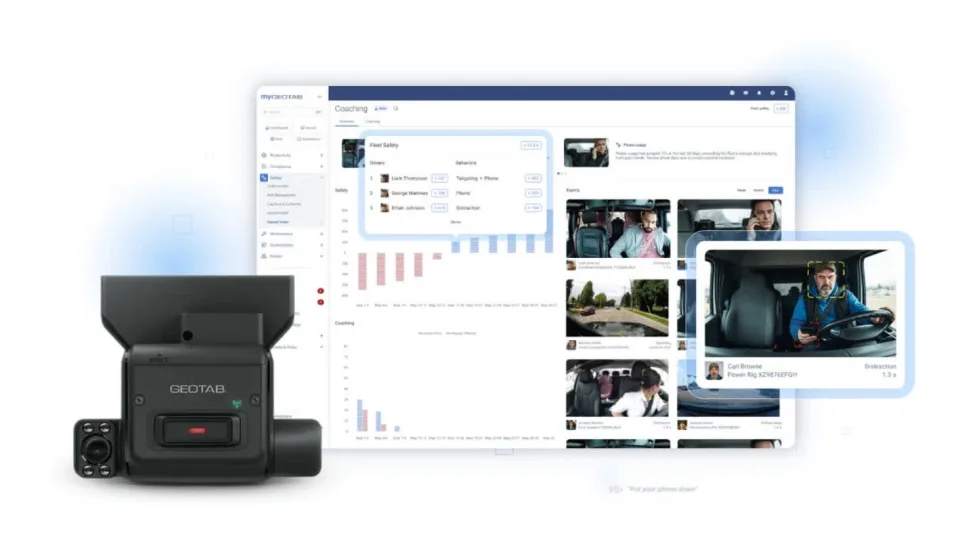
Geotab Expands Fleet Safety Tools With Video Coaching, Risk Insights
New safety and video capabilities aim to help fleet managers assess risk, support drivers, and take targeted action through video coaching, red-light violation detection, and more.
Read More →
How to Build a Better School Bus Driver Training Program
Is it time to strengthen your driver training? Here’s how to pick the right talent and improve recruitment, retention, and safety. This video is brought to you by IC Bus.
Read More →

Recent School Bus Accidents Leave 2 Dead, 2 Injured
Four school bus crashes in Florida, Illinois, and Georgia highlight risks in transportation lots, at bus stops, and during student loading and unloading.
Read More →
When Every Second Matters, Clarity Keeps Routes Moving
From routine delays to urgent incidents, strong communication practices help drivers, dispatchers, schools, and families respond with confidence.
Read More →
What Happens When a School Bus Catches Fire — and What Can Help
School bus fires are rare but can be devastating. Learn how advances in fire suppression and asset protection help fleets detect fires earlier, reduce damage, and improve safety.
Read More →
Geotab Launches Tool to Help Fleets Investigate Road Incidents
Geotab Investigations combines telematics data, video, documents, and other evidence to help fleets reconstruct incidents, resolve claims, and determine what happened.
Read More →
Texas Sixth Grader Wins 2026 National School Bus Safety Poster Contest
Sai Darshana Yekolu of Moseley Middle School in Prosper, Texas, was named the newest winner for her artwork, bringing the theme of “Safe Rides, Everyday Heroes” to life.
Read More →
Doing More With Less: How Transportation Directors Can Prioritize Safety Amid Budget Uncertainty
With diesel prices soaring and nearly one-third of transportation directors expecting budget cuts, maintaining student safety has never been more challenging. Download this guide to learn how leading districts are prioritizing risk, funding critical safety technology, and building stronger budget cases with data.
Read More →
Walton County Schools Adds Gatekeeper Stop-Arm Enforcement System
The Florida district will deploy Gatekeeper’s updated Student Protector technology, which now incorporates AI to improve video evidence.
Read More →