




NAPT News & Views — Buckle up for seat belt debates
We encourage you to discuss NHTSA’s new recommendation with your school boards and superintendents so they are aware of Dr. Rosekind’s opinions and can discuss their implications with state and local political leaders.


Mike Martin is executive director of NAPT.
According to many political pundits, 2016 is going to be an exceptional year. The partisan fights that have consumed Washington are trickling down to state capitals. Legislators in dozens of states will take up polarizing measures.
Many states will confront deepening financial crises, forcing lawmakers to consider potential tax hikes or service cuts. For example, low oil and gas prices are great for consumers but are decimating some state budgets, particularly in Alaska and North Dakota. Kansas is reeling from hundreds of millions in revenue lost after changes to the state’s tax code.
Governors in Tennessee, Wyoming and South Dakota are considering expanding Medicaid under the Affordable Care Act, which could free up millions for other government functions. Will any of this money find its way to education? It may; education issues are expected to be at the forefront in more than a third of the states, and all of them will be looking for money. Will any of it trickle down to the transportation department? Not likely.
If the agency wants belts on buses — and it does — it will not stand by idly. NHTSA has a long and successful history of engaging locally with public information campaigns … and has many allied safety interest groups.
With this information, how eager are you to ask your school board for money to add seat belts to your school buses? You may have to, because Dr. Mark Rosekind, administrator of the National Highway Traffic Safety Administration (NHTSA), is encouraging local policy makers to do just that. And NHTSA estimates that the “average incremental cost of equipping a large school bus with lap/shoulder belts without loss in capacity will be between $7,346 and $10,296.”
In addition, NHTSA recommends that “those states and local districts requiring seat belts on school buses also provide training to drivers and students on their proper use.” This begs the question: If students are required to use seat belts on a school bus, who will ensure that they are being worn, and will that same person also be required to ensure that the seat belts are worn properly? Ensuring compliance will increase route time, potentially affect bell times, and could ultimately have a ripple effect system-wide.
We have reminded NHTSA that it said not long ago, “States and local school districts are better able to recognize and analyze school transportation risks particular to their areas and identify approaches to best manage and reduce those safety risks. Local officials are in the best position to decide whether to purchase seat belts, since the officials must weigh a multitude of unique considerations ... especially when faced with budgetary restraints.”
However, if the agency wants belts on buses — and it does — it will not stand by idly. NHTSA has a long and successful history of engaging locally with public information campaigns — think seat belts in passenger cars and anti-impaired driving — and has many allied safety interest groups that work to influence behavior and public opinion. NHTSA cannot lobby states, but its allied safety groups can and do. Expect heightened media and legislative interest in your area because of this effort, and be prepared to respond to it.
We encourage you to discuss NHTSA’s new recommendation with your school boards and superintendents so they are aware of Dr. Rosekind’s opinions and can discuss their implications with state and local political leaders who decide educational resource allocations.
Dr. Rosekind indicated that he would reach out to governors in states that already require seat belts to assess their experiences and concerns. He also noted that NHTSA would do more research and data collection. We look forward to having this information from NHTSA in the public discourse, and we will continue to encourage the agency to include representation of all states in the discussion.
Stay abreast of the situation and prepare for a robust debate driven by the media and safety advocacy groups in your community. Ultimately, you should continue to consider all safety improvements that could make a difference in pupil transportation, including lap-shoulder belts. But bear in mind that 2016 is going to be an exceptional year.
More Safety

How to Build a Better School Bus Driver Training Program
Is it time to strengthen your driver training? Here’s how to pick the right talent and improve recruitment, retention, and safety. This video is brought to you by IC Bus.
Read More →
Recent School Bus Accidents Leave 2 Dead, 2 Injured
Four school bus crashes in Florida, Illinois, and Georgia highlight risks in transportation lots, at bus stops, and during student loading and unloading.
Read More →
When Every Second Matters, Clarity Keeps Routes Moving
From routine delays to urgent incidents, strong communication practices help drivers, dispatchers, schools, and families respond with confidence.
Read More →

What Happens When a School Bus Catches Fire — and What Can Help
School bus fires are rare but can be devastating. Learn how advances in fire suppression and asset protection help fleets detect fires earlier, reduce damage, and improve safety.
Read More →
Geotab Launches Tool to Help Fleets Investigate Road Incidents
Geotab Investigations combines telematics data, video, documents, and other evidence to help fleets reconstruct incidents, resolve claims, and determine what happened.
Read More →
Texas Sixth Grader Wins 2026 National School Bus Safety Poster Contest
Sai Darshana Yekolu of Moseley Middle School in Prosper, Texas, was named the newest winner for her artwork, bringing the theme of “Safe Rides, Everyday Heroes” to life.
Read More →
Doing More With Less: How Transportation Directors Can Prioritize Safety Amid Budget Uncertainty
With diesel prices soaring and nearly one-third of transportation directors expecting budget cuts, maintaining student safety has never been more challenging. Download this guide to learn how leading districts are prioritizing risk, funding critical safety technology, and building stronger budget cases with data.
Read More →
Walton County Schools Adds Gatekeeper Stop-Arm Enforcement System
The Florida district will deploy Gatekeeper’s updated Student Protector technology, which now incorporates AI to improve video evidence.
Read More →
How To Build a More Secure School Bus Yard During and After Hours
As thefts and overnight security threats continue, school transportation leaders are combining stronger operational practices with AI-enabled surveillance to better protect buses, facilities, and staff.
Read More →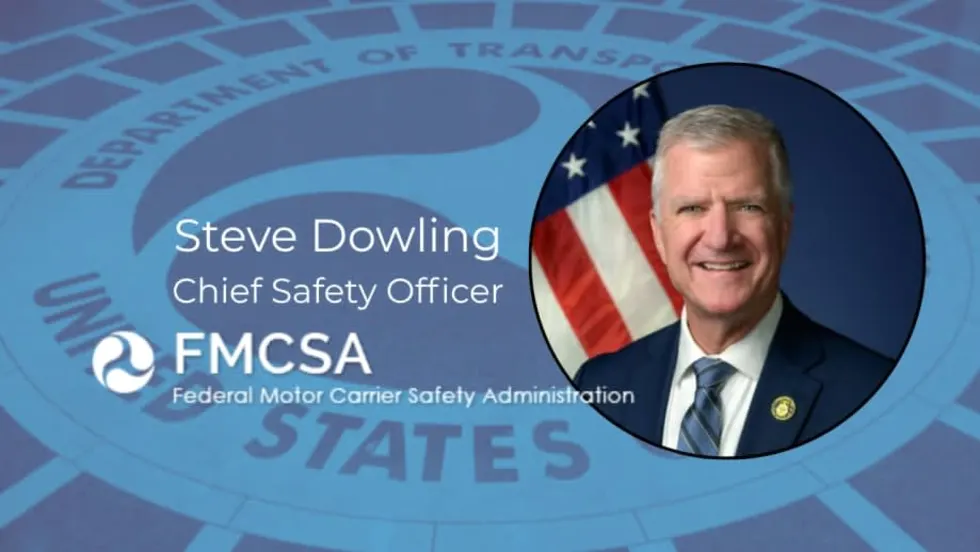
FMCSA Names New Chief Safety Officer: What School Bus Operators Should Know
Steve Dowling is set to lead the federal agency's efforts to advance commercial motor vehicle safety and reduce crashes, fatalities, and injuries on the nation's roadways.
Read More →