




Mirrors and smoke
Commemorating SCHOOL BUS FLEET’s 50th anniversary, we’ve unveiled a new department in this issue — “Rearview Mirror.” It’s a pictorial retrospective of the pupil transportation industry, featuring photos of old school buses and covers of SBF and its predecessors.
Commemorating SCHOOL BUS FLEET’s 50th anniversary, we’ve unveiled a new department in this issue — “Rearview Mirror.” It’s a pictorial retrospective of the pupil transportation industry, featuring photos of old school buses and covers of SBF and its predecessors. Before I forget, let me express my gratitude to those of you who’ve contributed vintage school bus photos. The willingness of our readers to get involved with the magazine is a major reason why we’ve been in business for the past 50 years.
As you can see from the vehicles featured in this issue’s Rearview, school buses have evolved tremendously over the past several decades. Although we don’t have records of the highway safety performance of these older buses, I think you’ll agree that they presented dangers to students that don’t exist today.
Getting better with age
It’s easy to forget how many technological developments have been incorporated into modern school buses, until you get a look at what was used to transport students in decades past. Obvious changes include the addition of equipment such as stop arms, emergency exits and eight-way warning light systems. In addition, although the Rearview photos are in black and white, you can clearly see that the two of the old buses were not the distinctive yellow of today’s buses.
What you can’t see is these old photos, however, is the difference in the driver licensing and training requirements. Back in the “good old days,” school bus drivers often were only required to have a driver’s license. These days, they need to have both classroom and behind-the-wheel training and testing, medical exams, drug and alcohol testing and criminal background checks (in most states). That’s one of the biggest operational improvements that’s occurred in the past couple of decades.
We can expect further developments and improvements in the coming years. One change that’s nearly on our doorstep is the transition to diesel engines that burn cleaner. It comes at a price, of course. Engines compliant with the EPA’s 2007 emissions standards will cost more to purchase and maintain. They’ll also require the use of ultra low sulfur diesel, which will cost at least a few cents per gallon more than existing diesel fuel.
A double-edged sword
So how do school districts and contractors deal with this impending increase in price? Like we have with every other requirement approved by the federal government — with mixed feelings.
On the one hand, funding is tight, and cost increases merely add to the difficulty of balancing the budget. This can lead to the purchase of fewer new school buses or reduction of service. As you know, both of these scenarios increase the likelihood that students will be injured or killed while en route to and from school.
On the other hand, the benefits of cleaner-burning diesel engines are clear: reduced emissions of nitrogen oxide and soot. This should help to reduce the incidence of illnesses linked to harmful pollution.
In a perfect world, the federal government would pony up for the increased cost of the 2007 engines and the premium associated with the ultra low sulfur diesel. Unfortunately, we don’t live in a perfect world. That means that the burden falls to you, as a pupil transportation professional, to fight for everything that will increase the safety of your passengers while maximizing efficiency and economy.
More Management

Samsara Launches Free Driver Rewards Program
The new Driver Perks program gives eligible professional drivers access to discounts and offers without adding a cost for participating fleets.
Read More →
How Tax-Exempt Municipal Leases Can Help Finance School Buses
Let’s explore school bus financing options, including municipal leases, vendor payable accounts, and balloon payments, and how they can help stretch fleet budgets.
Read More →
Nominate Rising School Transportation Pros Under 40!
We’re searching for the next generation of leaders making an impact across the K-12 student transportation industry to recognize as SBF’s 2027 Trailblazers. Nominations are open now!
Read More →

Changing Lanes: BusWhere, EverDriven, InterMotive, Summit School Services, Switzer-Carty & Thomas Built Buses
Check out who's been hired, promoted, and appointed to leadership positions at various school transportation suppliers, contractors, and manufacturers.
Read More →
The Most Expensive Thing You Do Before Selling a School Bus: Wait
When should you sell an aging school bus? Learn how maintenance, mileage, corrosion, specifications, and timing can affect resale value long before the auction.
Read More →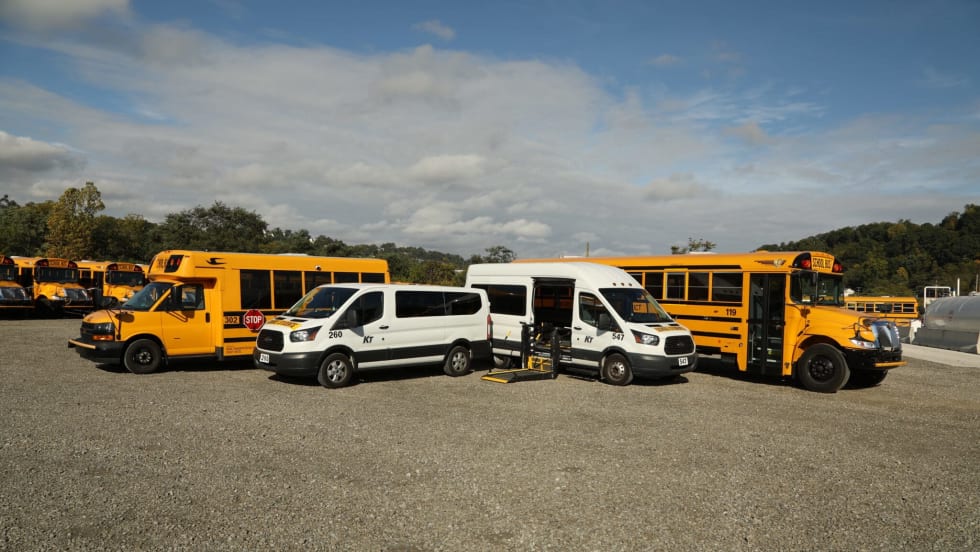
American Student Transportation Partners Acquires AJ Myers and Sons
A new deal brings a 75-year Pennsylvania student transportation provider into one of the nation’s largest private school bus contracting groups.
Read More →
What I Brought Home From SBFX: Relationships, Leadership, and Preparing What's Next
Who could lead your transportation operation tomorrow if you couldn't? Bernando Brown explores succession planning, mentorship, and preparing emerging leaders to step up.
Read More →
Inside School Bus Fleet ConneX 2026: Industry Leaders Connect in Scottsdale [Photos]
See highlights from SBFX 2026 in Arizona, where school bus operators and suppliers gathered for meetings, education, networking, awards, and more.
Read More →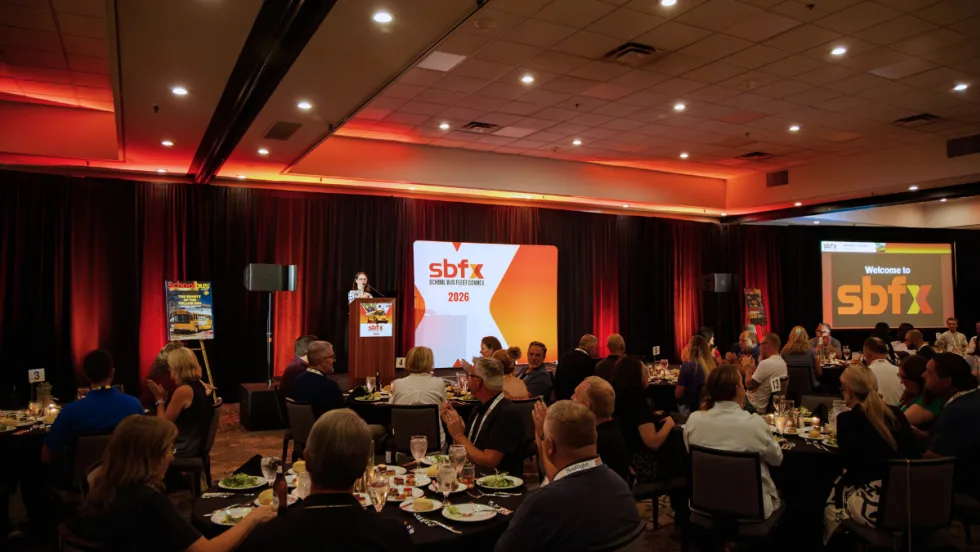
School Transportation’s Biggest Pressures and Opportunities: SBFX Attendees Weigh In
School bus operators point to rising costs, staffing, and vehicle prices as immediate pressures while identifying technology, training, and routing as opportunities for growth.
Read More →
STA Acquires Sunrise Transportation
Student Transportation of America expands in Illinois and Connecticut through Sunrise's fleet of nearly 1,000 vehicles.
Read More →