




Major challenges met, others still remain
When I began my tenure as president of the National School Transportation Association (NSTA) two years ago, I set out three goals. They were personal,...
When I began my tenure as president of the National School Transportation Association (NSTA) two years ago, I set out three goals. They were personal, but they were goals to move the industry forward.
For NSTA, I wanted to leave office with a stronger organization than when I began. That happened.
The second goal was to be proactive in both legislative and regulatory areas. I believed then, and now, that the industry has to take a stronger leadership role. NSTA has combined the efforts of staff, volunteer leadership and professional lobbyists very effectively to do just that. We are achieving success for the industry in several targeted areas.
Federal initiatives are key
We had legislative successes in the No Child Left Behind Act and the USA Patriot Act. Federally funded research has supported the industry's focus and approaches. Regulation has helped us focus on safe transportation of children without increasing regulatory burdens.
We have taken major positions in the reauthorization of the Transportation Equity Act for the 21st Century (TEA-21). Focusing on the safety of the children we transport, we are working to eliminate the oldest vehicles in the fleet, support better data collection, extend criminal background checks, prohibit the use of 15-passenger vans for school transportation and ensure walking and biking programs address route safety hazards.
We have been working with a large coalition on provisions in the House and Senate energy bills to create a grant program for replacement and retrofit of school buses. The program would be as fuel-neutral as possible by allowing use of clean diesel along with alternative fuels. Both school districts and contractors will be able to participate. The program builds on the success of the EPA’s Clean School Bus USA project.
We are working with the Department of Education to recognize that transportation is an important part of the total education system. We began with key provisions in the No Child Left Behind Act, and we are now focusing on the reauthorization of IDEA (Individuals With Disabilities Education Act).
Of course, security remains a major concern. School buses represent the largest, most visible transportation system in the country. And, we are transporting very precious cargo. We are working with the Transportation Security Administration to address the unique features of our industry and the global issues that affect it.
My third goal was to help build coalitions. Our industry works best when all the associations, the entire fleet of yellow school buses, manufacturers, suppliers and others can work together.
Forging coalitions is crucial
During my tenure, we have worked diligently to build coalitions and make them work. Our recent activities with the National Association of State Directors of Pupil Transportation Services, the National Association for Pupil Transportation, manufacturers, suppliers and the EPA's Clean School Bus USA program are shining examples. When the EPA held its summit in Washington, D.C., in April, Administrator Christie Todd Whitman [who has since resigned her post] talked about getting more kids on buses because that was the safest mode of transportation. It was through working together that we made the case and made it part of the EPA's focus.
I believe the industry is stronger, more focused and in a better position to lead on policy issues than it was two years ago. It's true we've faced some real challenges. We have met those challenges and are moving forward.
More Safety
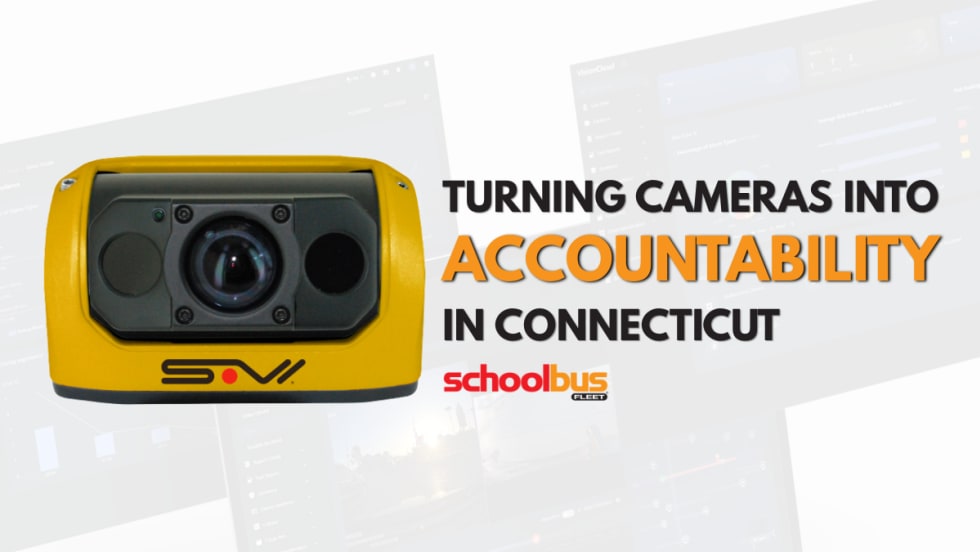
Sitestream, Safety Vision Partner with Connecticut City to Launch School Bus Stop-Arm Camera Program
The new enforcement initiative combines camera technology and violation management software to document illegal school bus passing, encourage driver compliance, and enhance student safety.
Read More →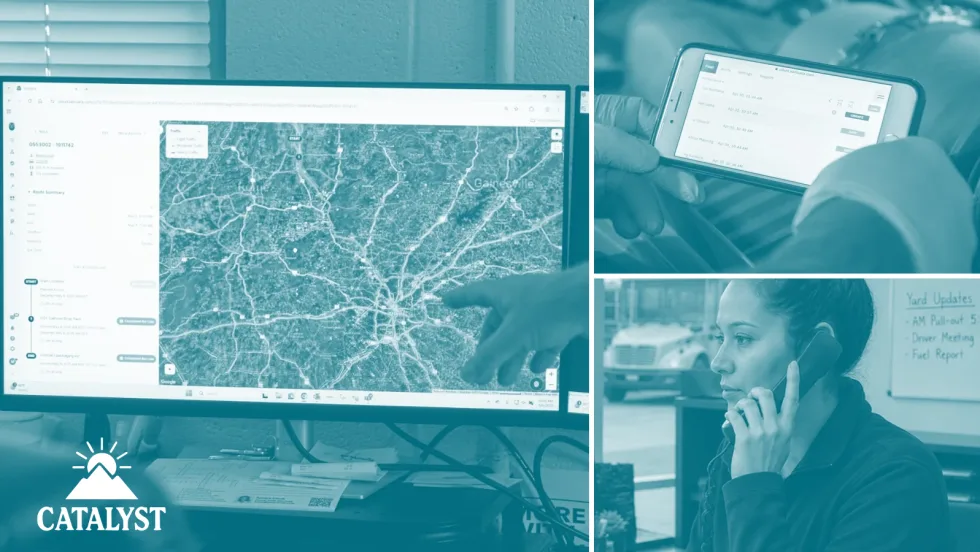
From Reactive to Proactive: Making Every Ride Visible
Smart technology only delivers its full value when it works together. See how Catalyst connects proven industry platforms to move student transportation from reactive to proactive.
Read More →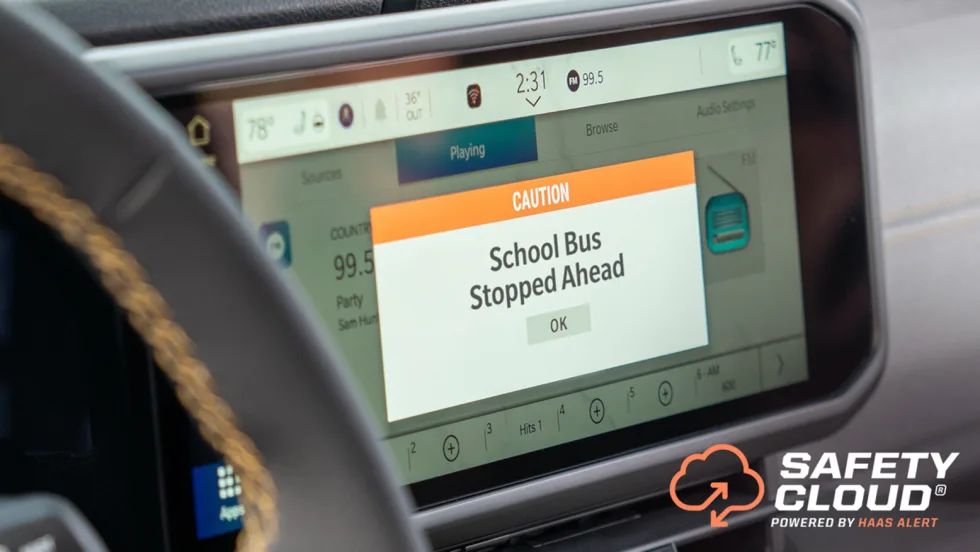
HAAS Alert’s Safety Cloud Warns Motorists of Stopped School Buses
Through a transponder or Samsara connection, the product lets school bus fleets send advance warnings to approaching drivers through in-vehicle alerts.
Read More →
HopSkipDrive Reports Progress on Safety Advisory Council
More than a year after forming the council, independent safety experts have helped shape new rider-safety features and policy progress, with a new goal to address rider behavior.
Read More →
What the 2026 National School Bus Safety Month Resolution Means for Student Transportation
The bipartisan resolution highlights illegal school bus passing, student safety during loading and unloading, and the need for driver training and public education.
Read More →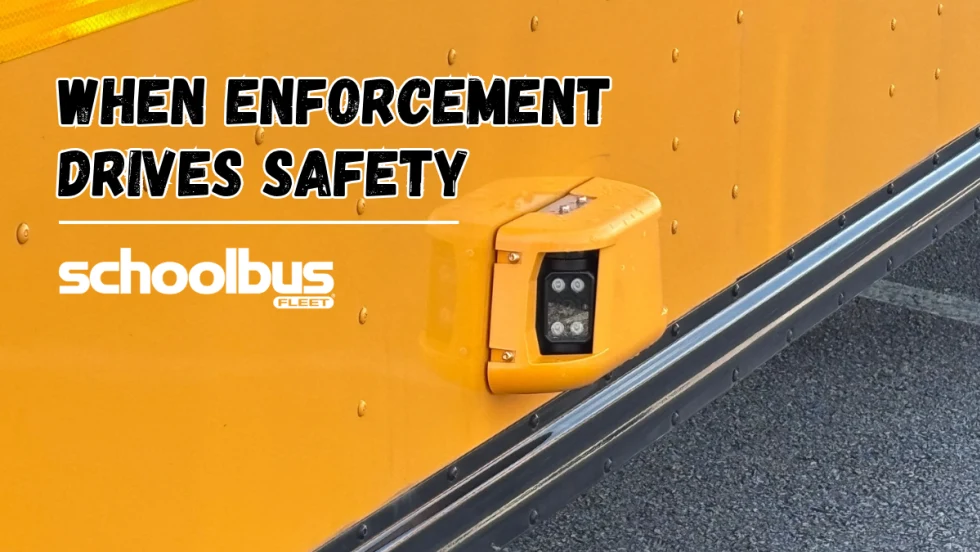
School Bus Stop-Arm Violations Decline 53% Across Verra Mobility Programs
Verra Mobility shares how school bus stop-arm cameras and school zone safety programs are changing driver behavior, reducing violations, and protecting students.
Read More →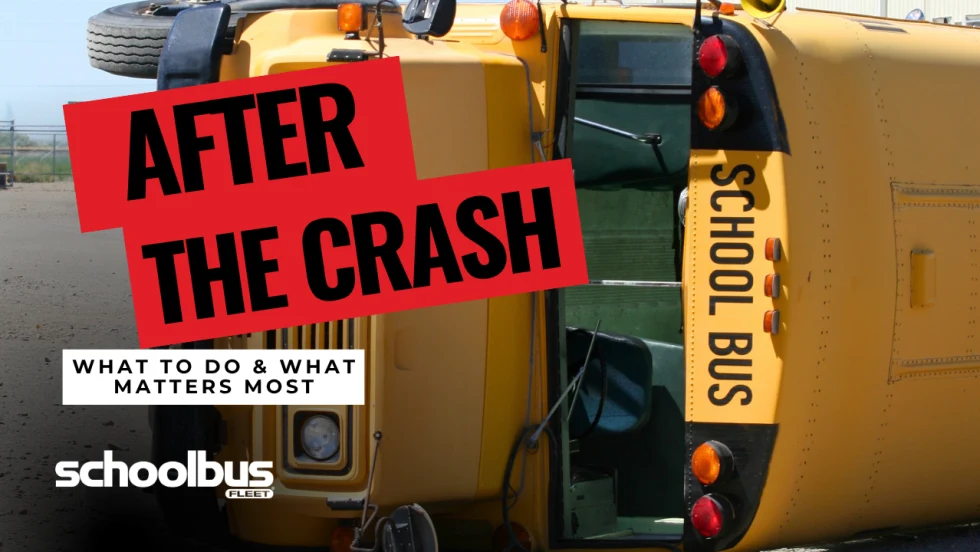
Most Bus Crashes Aren’t Your Fault. Here’s How to Prove It.
A guide for what to do in between a school bus crash and a claim: what to preserve, who to notify, and how to keep the facts available when they matter.
Read More →
National School Bus Safety Week 2026: Tips, Toolkits & Resources to Keep Students Safe
School bus safety takes more than awareness. Explore expert tips, enforcement strategies, and free resources to help protect students on every ride.
Read More →
2 Killed, Dozens Injured in Florida School Bus Crash
A multi-vehicle collision caused a Polk County school bus carrying 37 students to overturn on its way to Winter Haven High School.
Read More →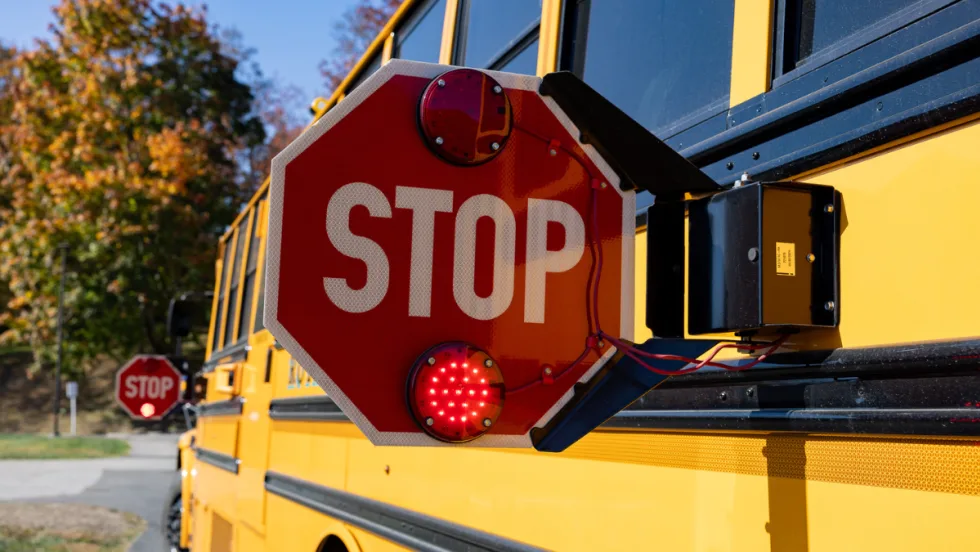
Illegal School Bus Passing Drops 24% in New York Districts
With fewer than 5% of citations involving repeat offenders, Westchester County officials said enforcement, education, and community partnerships are helping change driver behavior.
Read More →