




Let unbiased experts develop national specs, procedures
During the past 60 years, school transportation professionals from around the United States have gathered on 13 occasions to develop specifications and recommendations for the industry.
During the past 60 years, school transportation professionals from around the United States have gathered on 13 occasions to develop specifications and recommendations for the industry. At these National Conferences on School Transportation (NCST), state delegations reviewed existing specifications and established new bus specifications and operating procedures. In the early years, the NCST provided the only source of national recommendations for the development of safe, comfortable and efficient school bus transportation. In the late 1960s, the federal government became actively involved in pupil transportation through the issuance of Federal Motor Vehicle Safety Standards. To a large extent, the standards issued by the National Highway Traffic Safety Administration and the specifications and operating procedures recommended by the NCST resulted in school buses being the safest form of highway travel in the United States. An enviable record!
Is there a better procedure?
While the delegates to the NCST have done a great job, can we do even better? Can we benefit from the experiences and processes of other organizations? In 1980, Stanley Abercrombie, chairman of the Ninth National Conference, spoke at the National Safety Council’s World Congress and suggested that the process used by the American National Standards Institute (ANSI) might be used to “raise the status and acceptance” of the work of the NCST. A large number of organizations use a formal consensus approach to develop industry specifications and standards. The approach is simple. A panel of recognized experts develops a technically defensible specification or standard based on sound science and unbiased judgment. Modern technology may provide a compelling reason for the school transportation industry to consider alternative means of developing school bus specifications. We have seen dramatic advances in school bus technologies in recent years, and advances are likely to continue. As the design and construction of school buses become more complex, it is critical that the individuals establishing industry specifications are highly qualified experts. The safety of our children is too important to do otherwise.
Why not use unbiased experts?
One approach would be similar to that followed by ANSI and others — put together a panel of the best experts available on each topic and allow them to develop the specifications and procedures for our industry. These experts can come from industry, users and regulators. But, they must be recognized experts on the subject and not be biased by pre-existing conditions in their industry, state, school district or agency. In other words, put together a panel of experts that will truly assess the issues and not make decisions based on the statutory or regulatory situation in one’s home state or school district. There is no question that the NCST delegates are dedicated to the safety of the children they transport. However, it is clear that a portion of the debate and voting that occurs in Warrensburg, Mo., every five years is strongly influenced by some delegates’ desires to match the school bus specifications and procedures to what exists in their state or school district. Many question the efficacy of such decision-making. The question before us is simple — given the complexity of our school buses and how they are operated, and given the vast amount of knowledge and resources that we have to look at issues/problems and potential solutions, are we developing the National School Transportation Specifications and Procedures in the best possible way? Let us not sit and be happy that we have done a great job over the past 60 years. Let us look forward and decide if we can do better. I believe that the children we transport deserve the best, and that sometimes means changing the way we do things.
Pete Baxter is president of the National Association of State Directors of Pupil Transportation Services.
More Safety

How to Build a Better School Bus Driver Training Program
Is it time to strengthen your driver training? Here’s how to pick the right talent and improve recruitment, retention, and safety. This video is brought to you by IC Bus.
Read More →
Recent School Bus Accidents Leave 2 Dead, 2 Injured
Four school bus crashes in Florida, Illinois, and Georgia highlight risks in transportation lots, at bus stops, and during student loading and unloading.
Read More →
When Every Second Matters, Clarity Keeps Routes Moving
From routine delays to urgent incidents, strong communication practices help drivers, dispatchers, schools, and families respond with confidence.
Read More →

What Happens When a School Bus Catches Fire — and What Can Help
School bus fires are rare but can be devastating. Learn how advances in fire suppression and asset protection help fleets detect fires earlier, reduce damage, and improve safety.
Read More →
Geotab Launches Tool to Help Fleets Investigate Road Incidents
Geotab Investigations combines telematics data, video, documents, and other evidence to help fleets reconstruct incidents, resolve claims, and determine what happened.
Read More →
Texas Sixth Grader Wins 2026 National School Bus Safety Poster Contest
Sai Darshana Yekolu of Moseley Middle School in Prosper, Texas, was named the newest winner for her artwork, bringing the theme of “Safe Rides, Everyday Heroes” to life.
Read More →
Doing More With Less: How Transportation Directors Can Prioritize Safety Amid Budget Uncertainty
With diesel prices soaring and nearly one-third of transportation directors expecting budget cuts, maintaining student safety has never been more challenging. Download this guide to learn how leading districts are prioritizing risk, funding critical safety technology, and building stronger budget cases with data.
Read More →
Walton County Schools Adds Gatekeeper Stop-Arm Enforcement System
The Florida district will deploy Gatekeeper’s updated Student Protector technology, which now incorporates AI to improve video evidence.
Read More →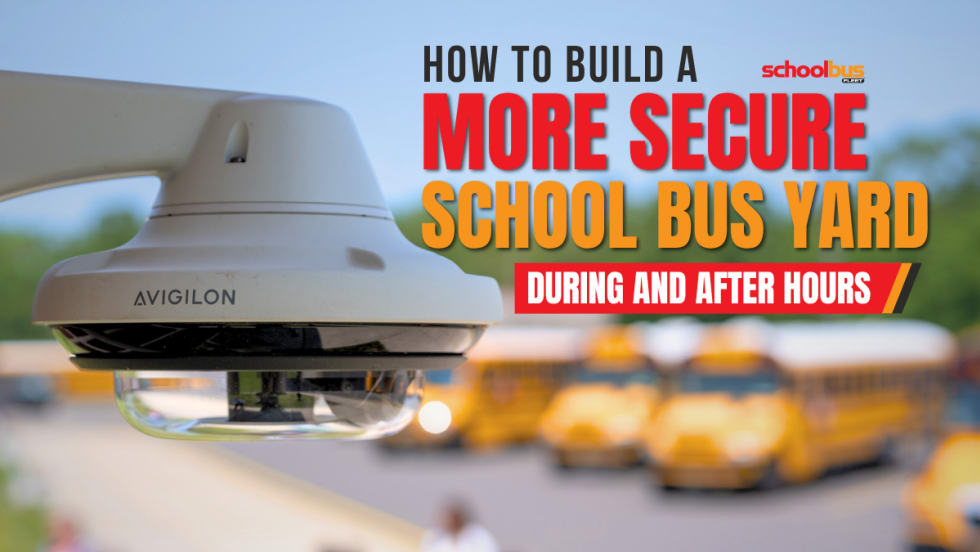
How To Build a More Secure School Bus Yard During and After Hours
As thefts and overnight security threats continue, school transportation leaders are combining stronger operational practices with AI-enabled surveillance to better protect buses, facilities, and staff.
Read More →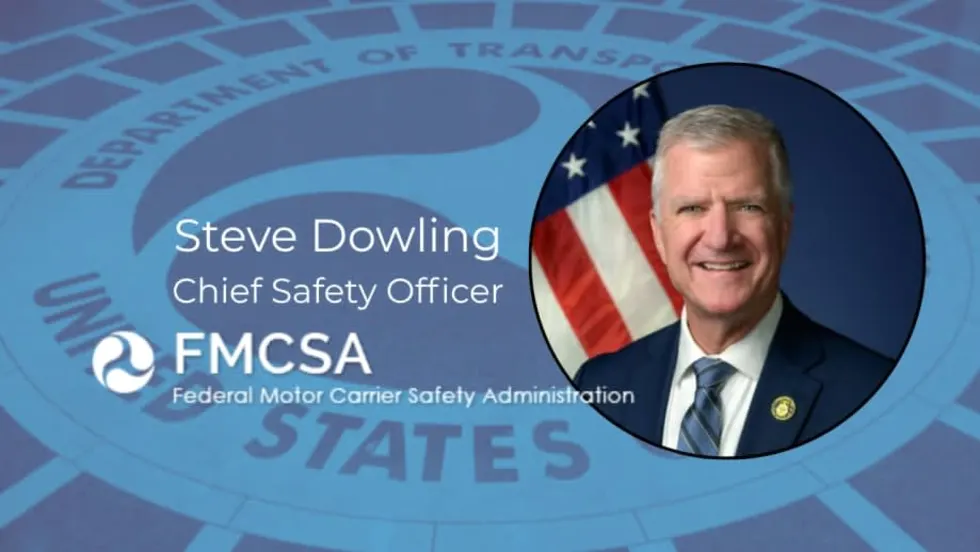
FMCSA Names New Chief Safety Officer: What School Bus Operators Should Know
Steve Dowling is set to lead the federal agency's efforts to advance commercial motor vehicle safety and reduce crashes, fatalities, and injuries on the nation's roadways.
Read More →