




Laws of common sense
Sometimes we need to be protected from legislators. But sometimes they really do have our protection in mind.
In the face of lawmaking efforts that one deems unnecessary, a familiar response is “You can’t legislate common sense.”
A few years ago, a New Jersey legislator used that phrase in response to a colleague’s proposed bill to ban bicyclists from using hand-held cell phones.
Back in the 1930s, famed cowboy performer and social commentator Will Rogers wrote, “You can’t legislate intelligence and common sense into people.”
Sure, lawmakers are known to get carried away from time to time. But with all due respect to Will Rogers and others who have expressed similar sentiments, sometimes you have to legislate common sense.
For example, it seems obvious that you should not drive a school bus (or a car, a boat, farm machinery, etc.) while intoxicated. Does that mean there’s no need for drunken-driving laws? Absolutely not. Even those who don’t see a problem with getting behind the wheel after pounding shots at the tavern can understand deterrents like hundreds of dollars in fines, loss of license and possible jail time.
Focus on distraction
Under the direction of Secretary Ray LaHood, the U.S. Department of Transportation (DOT) has made distracted driving a key target, apparently seeking to raise its urgency level closer to that of drunken driving. Since LaHood convened a national summit on the issue in September, the DOT has initiated a series of actions to combat distracted driving, with the focus being on use of cell phones.
In late January, the DOT unveiled a federal ban on texting for truck and bus drivers. However, the ban only applies to school bus drivers in limited cases: when they are covered by 49 CFR 390.17.
[PAGEBREAK]
School bus drivers are not covered if they are employees of a government agency, such as a school board, or if they’re operating within the same state or transporting students to and from school. An example of a school bus driver who would be covered by 390.17 is a contractor-employed driver transporting students on a field trip out of state.
Still, the DOT’s Federal Motor Carrier Safety Administration may seek to bar other school bus drivers from texting, possibly in a forthcoming proposed rule to elaborate on the texting guidance that was issued in January.
Blanket ban
Some states already specifically prohibit school bus drivers from using cell phones — hand-held or hands-free — and some states prohibit all drivers from using hand-held cell phones or just from texting. And many school districts and contractors have their own policies in place for their drivers.
But a federal ban for school bus drivers as well as other commercial vehicle operators would reinforce the seriousness of the issue, set deterrents and bring up to speed those jurisdictions that haven’t established prohibitions themselves.
The key to success here is enforcement. In New Jersey, where I live, hand-held cell phone use is banned for all drivers, but it seems that no one is stopping offenders.
According to research by the University of Utah, using a cell phone — hand-held or hands-free — delays a driver’s reactions as much as having a blood alcohol concentration at the legal limit of .08 percent.
Sometimes we need to be protected from legislators. But sometimes they really do have our protection in mind.
More Safety

How to Build a Better School Bus Driver Training Program
Is it time to strengthen your driver training? Here’s how to pick the right talent and improve recruitment, retention, and safety. This video is brought to you by IC Bus.
Read More →
Recent School Bus Accidents Leave 2 Dead, 2 Injured
Four school bus crashes in Florida, Illinois, and Georgia highlight risks in transportation lots, at bus stops, and during student loading and unloading.
Read More →
When Every Second Matters, Clarity Keeps Routes Moving
From routine delays to urgent incidents, strong communication practices help drivers, dispatchers, schools, and families respond with confidence.
Read More →

What Happens When a School Bus Catches Fire — and What Can Help
School bus fires are rare but can be devastating. Learn how advances in fire suppression and asset protection help fleets detect fires earlier, reduce damage, and improve safety.
Read More →
Geotab Launches Tool to Help Fleets Investigate Road Incidents
Geotab Investigations combines telematics data, video, documents, and other evidence to help fleets reconstruct incidents, resolve claims, and determine what happened.
Read More →
Texas Sixth Grader Wins 2026 National School Bus Safety Poster Contest
Sai Darshana Yekolu of Moseley Middle School in Prosper, Texas, was named the newest winner for her artwork, bringing the theme of “Safe Rides, Everyday Heroes” to life.
Read More →
Doing More With Less: How Transportation Directors Can Prioritize Safety Amid Budget Uncertainty
With diesel prices soaring and nearly one-third of transportation directors expecting budget cuts, maintaining student safety has never been more challenging. Download this guide to learn how leading districts are prioritizing risk, funding critical safety technology, and building stronger budget cases with data.
Read More →
Walton County Schools Adds Gatekeeper Stop-Arm Enforcement System
The Florida district will deploy Gatekeeper’s updated Student Protector technology, which now incorporates AI to improve video evidence.
Read More →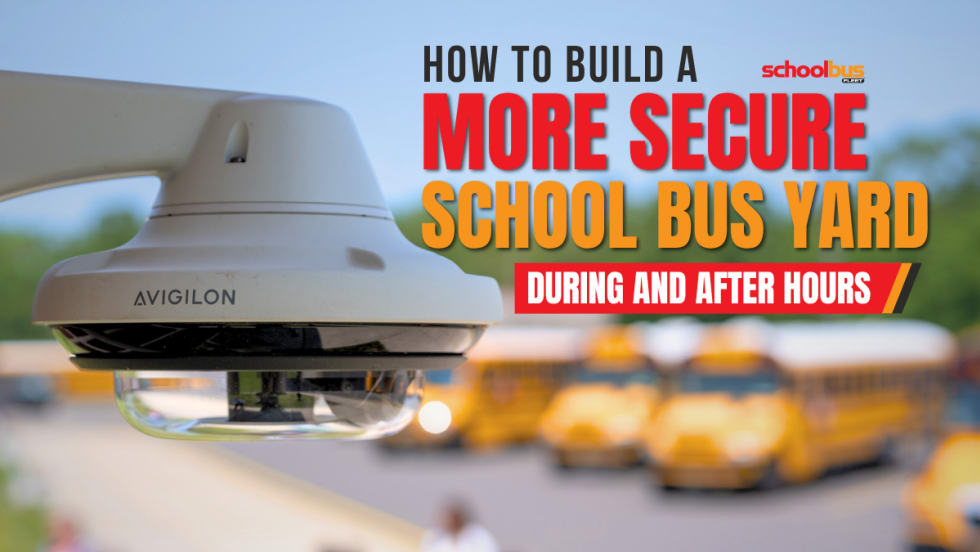
How To Build a More Secure School Bus Yard During and After Hours
As thefts and overnight security threats continue, school transportation leaders are combining stronger operational practices with AI-enabled surveillance to better protect buses, facilities, and staff.
Read More →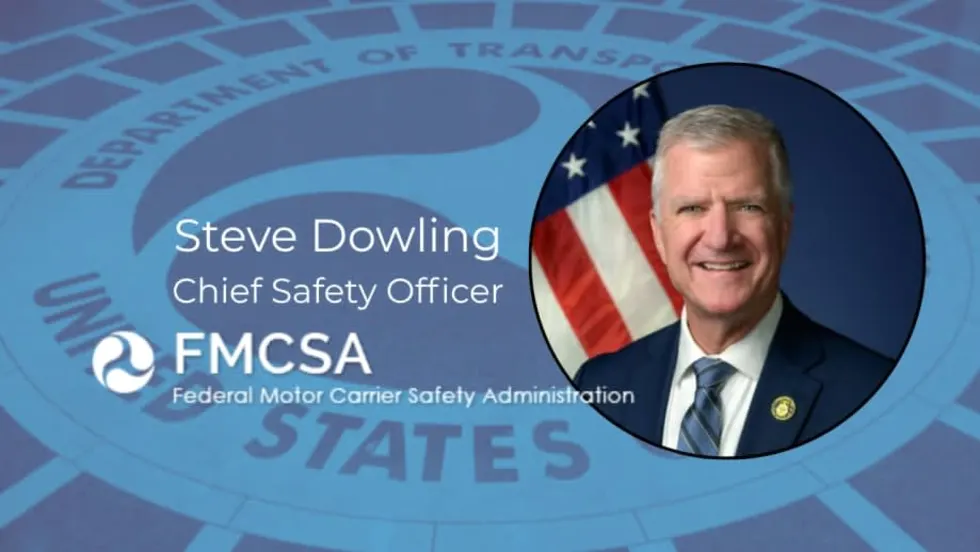
FMCSA Names New Chief Safety Officer: What School Bus Operators Should Know
Steve Dowling is set to lead the federal agency's efforts to advance commercial motor vehicle safety and reduce crashes, fatalities, and injuries on the nation's roadways.
Read More →