




Late-breaking news from the pupil transportation industry
CDL changes draw mixed reviews WASHINGTON, D.C. — The school bus industry is mostly satisfied with the changes to CDL regulations rece...

CDL changes draw mixed reviews
WASHINGTON, D.C. — The school bus industry is mostly satisfied with the changes to CDL regulations recently adopted by the Federal Motor Carrier Safety Administration (FMCSA). The final rule was published on July 31 and generally toughens licensing and sanctioning requirements for commercial bus and truck drivers. The rule becomes effective Sept. 30. "I think the rule is a positive one for the industry," said Robin Leeds, regulatory liaison for the National School Transportation Association and executive director of the Connecticut School Transportation Association. "It brings some consistency and uniformity to school bus licensing and requires that states tighten their procedures in regard to driver records and disqualification, which can only help employers." Of greatest interest to the pupil transportation community is the final rule's creation of a federal school bus "S" endorsement. Applicants must pass a school bus-specific knowledge and skills test before receiving a CDL for that purpose. Applicants are still required to first obtain a passenger, or "P," endorsement. The "S" endorsement will be reciprocal among states, meaning that a driver who resides in and is licensed by one state will be able to drive in another state without passing additional tests or going through a certification process. "This will make it easier for carriers in border towns to hire out-of-state drivers, and for multistate carriers to move drivers around on a temporary basis," Leeds said. However, this new "S" endorsement doesn't prevent new hires from obtaining free training and then using their CDL to leave the school district or contractor to drive other types of buses or commercial trucks. This was a frustration to many in the industry who had lobbied for a more restrictive license. "A school bus has unique operational responsibilities and vehicle characteristics from other commercial motor vehicles," said Pete Baxter, president of the National Association of State Directors of Pupil Transportation Services. "Because of those unique differences, a school bus endorsement should not have been contingent upon first obtaining the passenger endorsement." Overall, however, Baxter was pleased that a specific endorsement for school bus operation was adopted. "Incorporating procedures that are unique to the operation of a school bus into the CDL written and skill tests will supplement the training school bus drivers receive and improve the licensing process, too," he said. The rule's definition of "school bus" was also a contentious issue. Several industry representatives urged the FMCSA to use the National Highway Traffic Safety Administration's definition (more than 10 passengers), but the agency decided to stay with the commercial motor vehicle definition (more than 15 passengers). The final rule prohibits states from masking convictions and from using diversion programs that affect CDL driver's licenses. "This allows employers to get a truer picture of an applicant's driving history," Leeds explained. It also adds the following two new disqualifying offenses: driving a commercial vehicle after a CDL has been revoked, suspended or canceled and causing a fatality through the negligent or criminal operation of a commercial vehicle.
Atlantic Express files for bankruptcy protection
STATEN ISLAND, N.Y. — Atlantic Express Transportation Corp., parent of North America's fourth-largest school bus contractor, has filed for Chapter 11 bankruptcy protection. Atlantic Express filed the papers in bankruptcy court in New York City in mid August. The company listed $298.7 million in assets and $257 million in liabilities. According to SCHOOL BUS FLEET's 2002 Top 50 Contractors Survey, Atlantic Express operates nearly 7,000 buses and transports approximately 321,000 students daily. Company officials said its school transportation service will not be disrupted by the filing.
Blue Bird idles Iowa plant
FORT VALLEY, Ga. — Citing lagging orders for new school buses, Blue Bird Corp. has temporarily shut down its Mount Pleasant, Iowa, plant. "This temporary closure period will be determined by market demand and build requirements of incoming school bus orders," the company said in a prepared statement. The facility, which employs approximately 350 workers, will be closed effective Sept. 30. Blue Bird officials said the company's other manufacturing facilities will not be affected.
More Safety
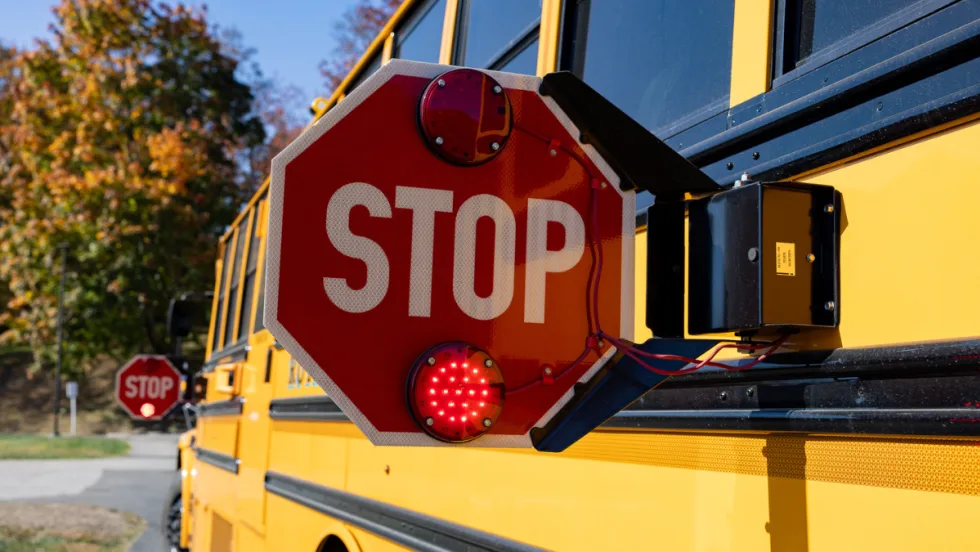
Illegal School Bus Passing Drops 24% in New York Districts
With fewer than 5% of citations involving repeat offenders, Westchester County officials said enforcement, education, and community partnerships are helping change driver behavior.
Read More →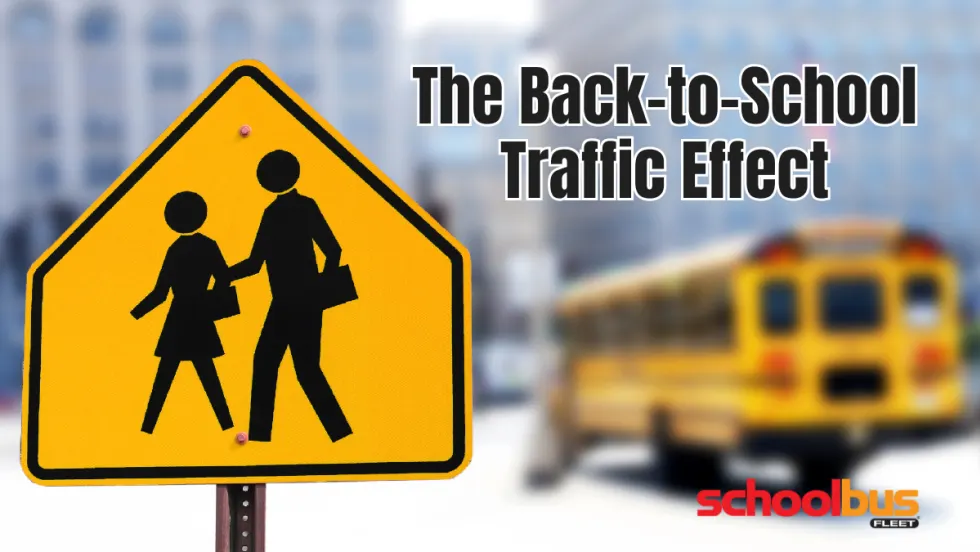
School's Back. Here's What Happened to Traffic, Speeding & Distraction
What happens to traffic when school resumes? New data analysis examines changes in distracted driving, congestion, and speeding around schools.
Read More →
Geotab Expands Fleet Safety Tools With Video Coaching, Risk Insights
New safety and video capabilities aim to help fleet managers assess risk, support drivers, and take targeted action through video coaching, red-light violation detection, and more.
Read More →
How to Build a Better School Bus Driver Training Program
Is it time to strengthen your driver training? Here’s how to pick the right talent and improve recruitment, retention, and safety. This video is brought to you by IC Bus.
Read More →
Recent School Bus Accidents Leave 2 Dead, 2 Injured
Four school bus crashes in Florida, Illinois, and Georgia highlight risks in transportation lots, at bus stops, and during student loading and unloading.
Read More →
When Every Second Matters, Clarity Keeps Routes Moving
From routine delays to urgent incidents, strong communication practices help drivers, dispatchers, schools, and families respond with confidence.
Read More →
What Happens When a School Bus Catches Fire — and What Can Help
School bus fires are rare but can be devastating. Learn how advances in fire suppression and asset protection help fleets detect fires earlier, reduce damage, and improve safety.
Read More →
Geotab Launches Tool to Help Fleets Investigate Road Incidents
Geotab Investigations combines telematics data, video, documents, and other evidence to help fleets reconstruct incidents, resolve claims, and determine what happened.
Read More →
Texas Sixth Grader Wins 2026 National School Bus Safety Poster Contest
Sai Darshana Yekolu of Moseley Middle School in Prosper, Texas, was named the newest winner for her artwork, bringing the theme of “Safe Rides, Everyday Heroes” to life.
Read More →
Doing More With Less: How Transportation Directors Can Prioritize Safety Amid Budget Uncertainty
With diesel prices soaring and nearly one-third of transportation directors expecting budget cuts, maintaining student safety has never been more challenging. Download this guide to learn how leading districts are prioritizing risk, funding critical safety technology, and building stronger budget cases with data.
Read More →