




It’s <I>Your</I> Job to Improve School Site Safety
For a long time, although largely unacknowledged, one of the most dangerous parts of a student’s bus ride in many school districts was the bus loading...
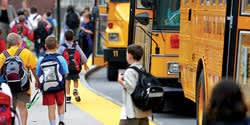
For a long time, although largely unacknowledged, one of the most dangerous parts of a student’s bus ride in many school districts was the bus loading area right on school grounds.
School site safety is not a new topic, which is a bit depressing. As an industry, we haven’t made much progress in improving site safety. In my experience, supervisors — even good ones — sometimes turn a blind eye to glaring safety problems in bus loops. Why is this?
As transportation people, we tend to not see bus loops as our turf. We cede them to the school administrator. Who are we, mere support staff in a pecking order with the principal at the apex, to question how students behave in the bus loop area? Let alone to question whether teachers on bus duty are doing their jobs.
But this issue is too important to relinquish to others. My main goal in this article is to encourage you — and hopefully give you the confidence — to take on this issue in your own school district for the next school year.
If I accomplish only one thing, I hope it’s that you’ll take a new look at your bus loops and the student loading/unloading procedures in them. Better yet, find someone else to observe with you so you can compare notes. Or be totally bold and invite your insurance company to send a risk management expert out to spend a day with you.
At any rate, keep written notes on what you observe. I’ll buy you a beer if you don’t find a few safety problems in the bus loop that make your hair even grayer.
Here’s my own “Top 10” list of dangerous situations I’ve seen in bus loops, in roughly descending order of importance:
1. Inadequate adult supervision of students in the bus loop. This is far and away my No. 1 concern about bus loading areas. The exceptions — schools where children walk calmly off their buses and into the building in the morning, and ditto from building to bus in the afternoon — are always the result of a principal and a teaching staff that really works at it. School staff are outside, attentive to children, taking their responsibilities seriously.
Unfortunately, these are exceptions. In too many cases, teachers or aides assigned to bus duty are inattentive, inadequate in number and uninformed about the serious nature of what they’re doing. They don’t understand that children can be and have been run over by buses right in front of school. I remember an incident in which two teachers were standing about 10 feet from a child whose foot was crushed by the outside dual rear wheel of a bus as it pulled out of the loop. They were talking to each other, oblivious to the child playing next to the bus.
No argument I know of can be made that it’s not the principal’s responsibility to make sure the bus loop is well supervised. This is why putting what you see in writing is key. Some principals fully accept this responsibility, but I’ve known some who seemed too busy or too important to be bothered with such a mundane issue.
2. Buses backing up in the loop. This happens way too much. Many government agencies recommend that buses never back on school grounds, but since it’s “only a recommendation,” it’s seldom enforced. Children have been backed over by buses right on school grounds.
The solution to backing in the bus loop is two-fold: First, don’t park buses so close together. Delays in the bus loop are inevitable. Children will forget something, have to go to the bathroom, get in a fight, etc. We shouldn’t line up buses so a delay holds everyone else up, encouraging them to back up to get around the delayed bus.
{+PAGEBREAK+} But isn’t “nose-to-tail” safer because it keeps kids from running between buses? If that’s your theory, you’re talking about different kids than the ones I see. Kids can and do dart between closely-parked buses. They’ll slide under the bumper if necessary. It’s stupid and it’s scary, but nose-to-tail parking doesn’t prevent it.
Furthermore, with some bus designs, nose-to-tail means you can’t open the rear emergency exit. I’ve heard people say that’s OK because “there are other emergency exits, and it’s just for a short time.” But bus fires do occur in bus loops.
Last year, a bus in a long line caught fire while waiting to load at a middle school. It was totaled, and we all said the same thing: “Thank God the kids hadn’t boarded yet.” Blocking the rear exit at any time is dumb and probably illegal.
3. Buses leaving the loop individually, not as a group. I believe in having one designated person, either a school or transportation official, responsible for checking that buses are clear, and then releasing them all as a unit. This is not rocket science, it costs nothing and it sets up a more orderly and safer egress of buses.
4. Buses tailgating each other as they leave the loop. Bus-bus accidents are an embarrassing little secret of our business, and most happen in the bus loop. Even in well-run districts, I see bus drivers leaving loops like it’s the start of the Indy 500.
5. Walkers and busers released together. Bell times are the school district’s “third rail” — touch it and you’re burned. Staggering release times is much safer, yet asking teacher unions to move their day five minutes one way or the other is sometimes treated as though you’re asking for a huge sacrifice.
6. Transportation not involved in bus loop design or redesign. Sometimes this is our own fault. We need to get involved in the process. Let the architect know your concerns for the bus loop — length, width, entrance and egress design. Talk of the need for a separate parent pick-up/drop-off area and for teacher and student parking lots to not conflict with bus traffic. Yes, budgets are tight, but it amazes me how infrequently architects acting on their own incorporate simple, inexpensive measures that would drastically improve safety in the new bus loop.
7. Unsecured buses rolling in the loop. Teaching drivers to secure their buses is critical. It should be the starting point of behind-the-wheel training programs. We’ve had incidents in which buses rolled into other buses and into drivers standing between two buses.
8. Students out of their seats as buses pull into school. Letting kids stand in the aisle while the bus comes to a stop is asking for an injury. Drivers blame the problem on the kids, but keeping kids in their seats is absolutely the driver’s responsibility.
9. Boring signs. No sign will stop everyone, but I believe in big, colorful, bold “School buses only” signs posted at the entrance to the bus loop. Flashing lights during the morning and afternoon crunch periods are also nice.
10.Wheelchair lifts not stowed. This happens more than you’d like to think. I’m not aware of a fatality, but there have been close calls — the lowered lift plowing through signs, poles and parked cars. Training and retraining drivers to be alert as they prepare to leave school is essential.
Take the initiative
I hope you’ll make your own list this year and take the initiative to address these important safety problems. No one wants to see a child hurt or killed on school grounds. This is an issue that cries out for transportation leadership.
Jim Ellis is curriculum development specialist for the Pupil Transportation Safety Institute in Syracuse, N.Y.
More Safety
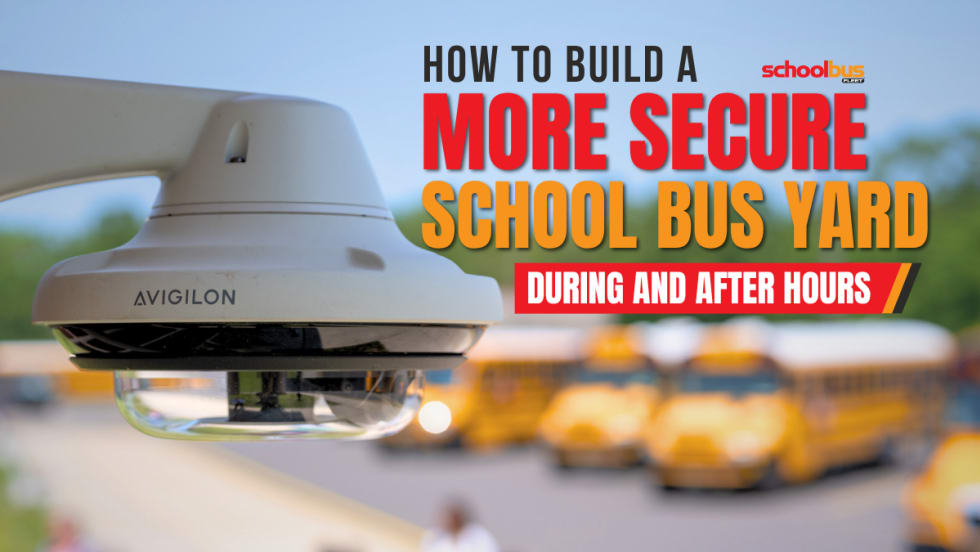
How To Build a More Secure School Bus Yard During and After Hours
As thefts and overnight security threats continue, school transportation leaders are combining stronger operational practices with AI-enabled surveillance to better protect buses, facilities, and staff.
Read More →
FMCSA Names New Chief Safety Officer: What School Bus Operators Should Know
Steve Dowling is set to lead the federal agency's efforts to advance commercial motor vehicle safety and reduce crashes, fatalities, and injuries on the nation's roadways.
Read More →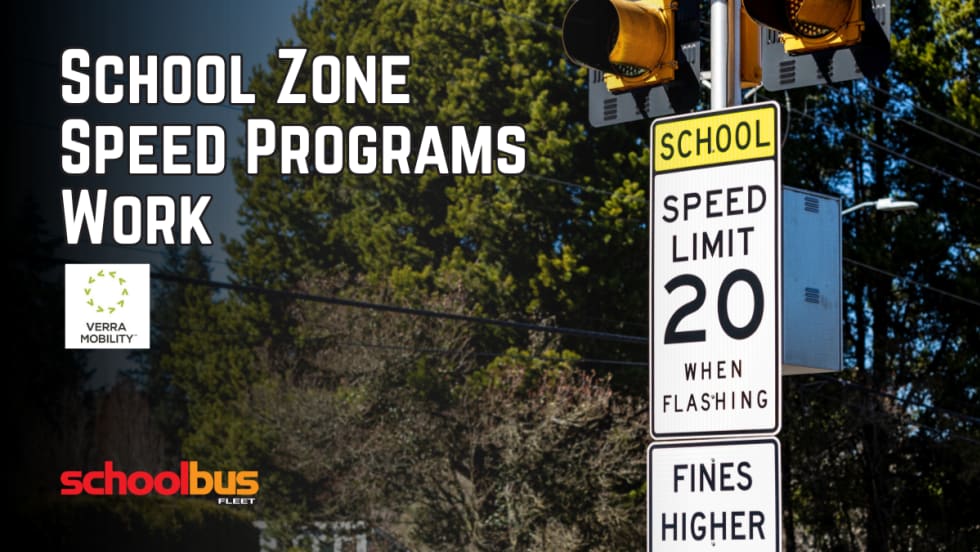
New Study Finds School Zone Speed Safety Cameras Cut Speeding Violations 97%
A Florida university's research demonstrates that Verra Mobility's automated enforcement changes driver behavior and significantly improves school zone safety.
Read More →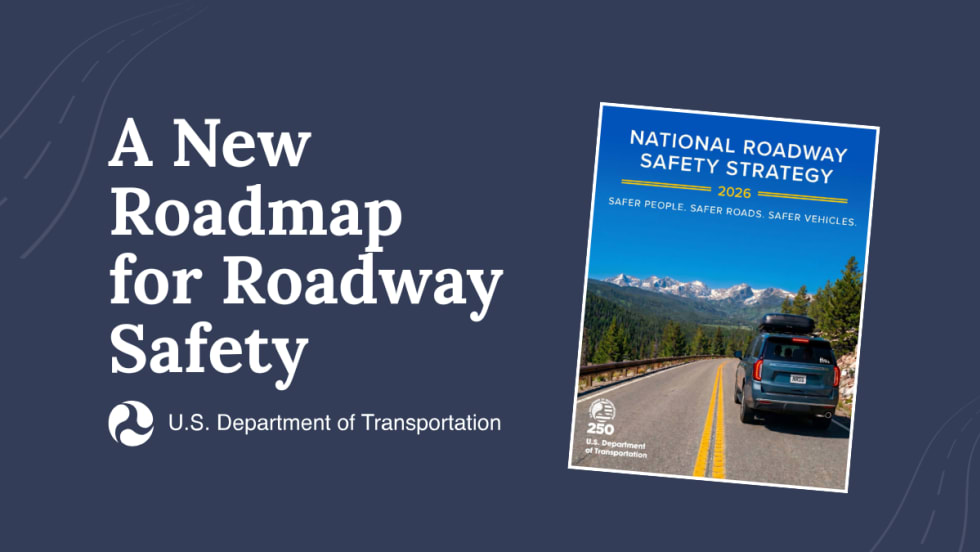
What Changed in DOT’s New National Roadway Safety Strategy?
The federal agency's new plan shifts its focus to safer people, roads and vehicles, with a new three-pronged approach instead of five. One outlined action even addresses a key industry concern around illegal school bus passing.
Read More →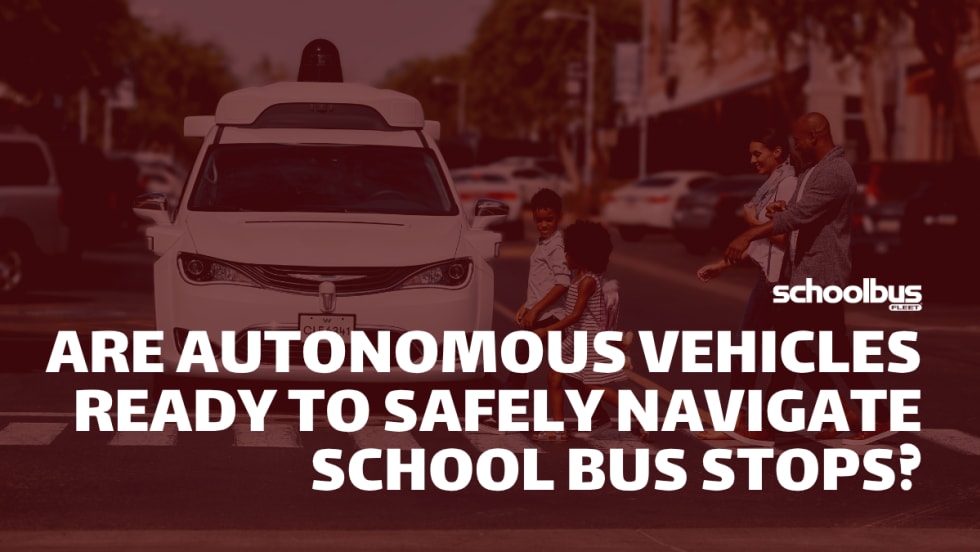
Are Autonomous Vehicles Ready to Safely Navigate School Bus Stops?
NHTSA is accelerating autonomous vehicle deployment through new safety standards and commercial approvals. See why school transportation leaders are watching.
Read More →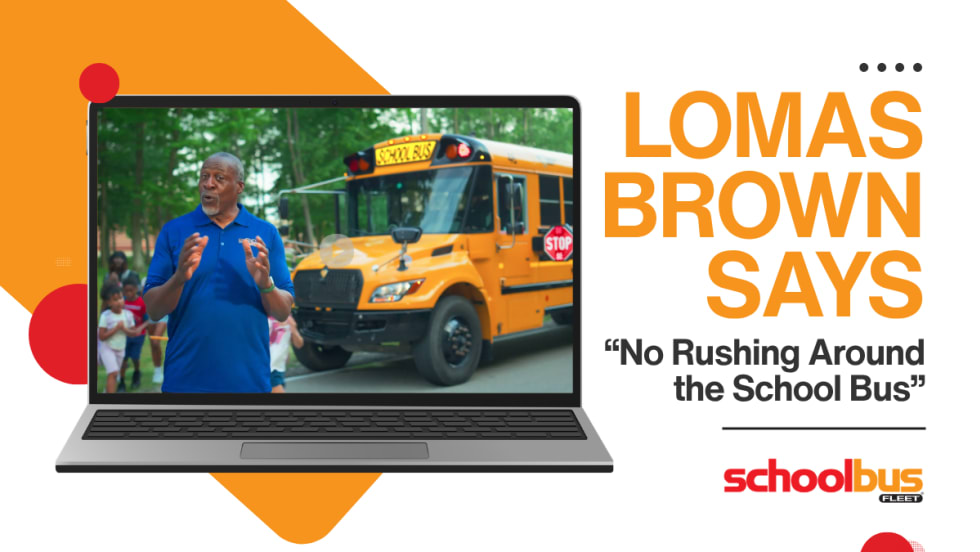
NFL Star Lomas Brown Kicks Off New Illegal School Bus Passing PSA
Just in time for the back-to-school season, the former Detroit Lions offensive tackle took time to record a video encouraging motorists to slow down around school buses.
Read More →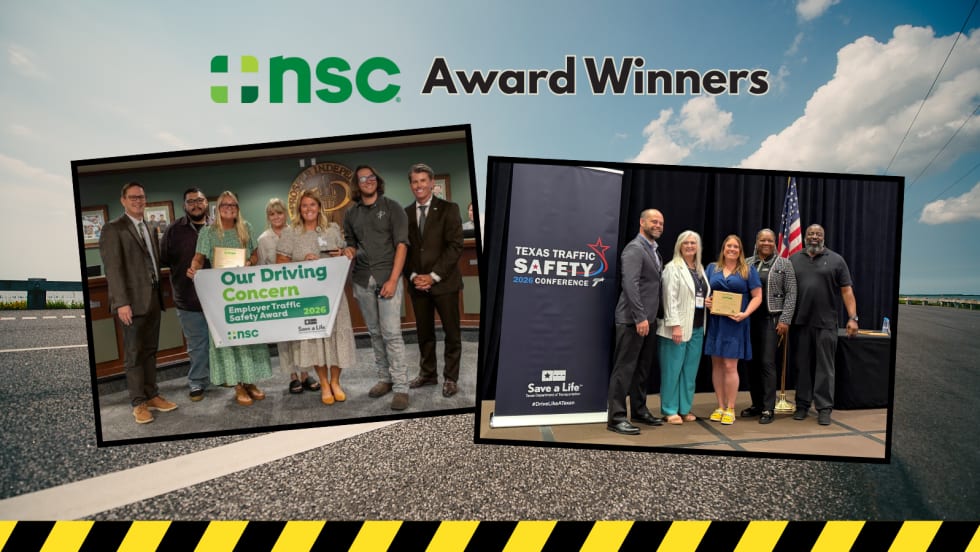
How Two Texas Districts Built Award-Winning Safety Programs
Learn how Prosper ISD and Rockwall ISD earned National Safety Council honors through hands-on training, safety culture, and strategies that reduced transportation incidents.
Read More →
NHTSA Releases 10-Year Review of Fatal School Bus Crashes
The latest federal analysis reinforces the safety of school buses while identifying where school-age pedestrians and other motorists remain most at risk.
Read More →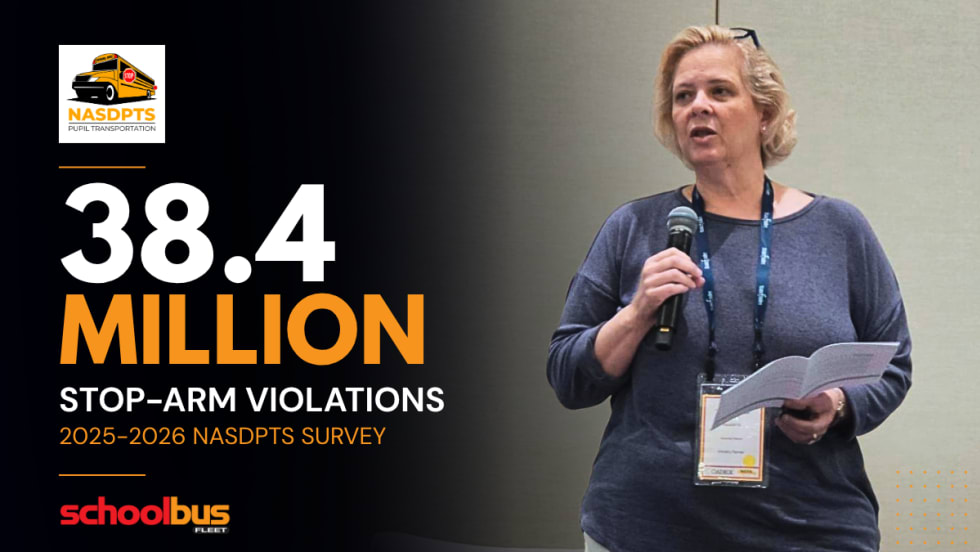
2026 NASDPTS Survey: Data Shows Further Reduction of Illegal Passing
New data is in! School bus stop-arm passings are down to 38.4 million violations per year, about a 2.3% decrease from last school year — but passings on the right side of the bus are higher than ever.
Read More →
Another School Bus Fatality Reported in Monsey, New York
A 7-year-old girl died after being struck by a school bus in Rockland County, New York while crossing the street. Here's what we know.
Read More →