




Is it safe <i>inside</i> your bus?
Patrick Kelsey was always interested in our lives, and he called us “his children.” The moment we stepped onto that bus, all our parents knew we we...
Patrick Kelsey was always interested in our lives, and he called us “his children.” The moment we stepped onto that bus, all our parents knew we were in good hands. Patrick became an integral part of my childhood and a soothing memory of carefree times. Although I was unaware when I was young, I now realize the indelible mark Patrick’s smile and upbeat enthusiasm have left on my heart.
— Amy Sherry, Norristown, Pa.
Amy Sherry wrote these words in an article in the Norristown Times Herald on May 2, 2003, as she reflected on her years as Patrick Kelsey’s school bus passenger, or, as she described it, one of his “children.” Drivers like Patrick are frequently receiving awards and accolades at our state and national conferences. Children want to be on their buses, teachers want them to drive their field trips and parents are confident in their children’s safety.
But what about bus drivers who do not measure up to Patrick and others like him? What about drivers who produce headlines like “School bus driver arrested for indecent exposure,” “School bus driver aims bus at student,” “School bus driver busted for selling drugs” or “School bus driver ignores child’s beating”?
Tough questions arise
We should be asking what these drivers do for our industry’s image. We must also ask ourselves what impact these events have on a child’s growth and development. If you figure that children spend 30 minutes on a bus twice a day for 13 years, that’s 2,340 hours of interaction between child and bus driver.
In her book And Words Can Hurt Forever: How To Protect Adolescents From Bullying, Harassment, and Emotional Violence, Ellen deLara reports that only 40 percent of students surveyed expected that their bus driver would protect them from other students’ harassment. My son had a driver who called him “Onion Boy” because he had body odor as a kindergartner. He had a driver stand by as he was pummeled by another student. Is my family’s experience unique, or do we as an industry need to make a conscious choice to make riding a school bus safe, not only from vehicular accidents, but from conditions inside the bus?
Some will respond to these words by saying that kids’ happiness isn’t a part of our job. They’ll say that the world is a tough place and kids need to learn to cope. They’ll say that kids are just trying to get attention by complaining. They’ll say that kids’ learning is the schools’ job, that’s what they get paid for.
I disagree. There are a lot of bad things that happen to kids outside of school buses, but that doesn’t alleviate our responsibility as a function of the education system that has been charged with an important element of children’s development. We must be a part of the solution and not a part of the problem.
The impressions we make
As I begin a new organization called Safety Rules!, I am not speaking for the industry, but to the industry on issues that feel important in my heart. Years ago, I was shocked to hear from a parent that her non-verbal child with multiple disabilities, who most would label a vegetable, always missed me on days I wasn’t driving. How did she know he missed me? I wondered what I did that was worth noticing. I sang, I talked, I soothed, I treated him as if he was important even though I had no idea if he was capable of response. It was a part of FAPE, a free appropriate public education. No more or no less than
you would want for your child for 2,340 hours.
More Safety
North Carolina Student Killed While Boarding School Bus, Two Die in Utah Bus Crash
A Southern Nash High School student died after being struck by a pickup truck while approaching her school bus. In a separate incident, two people were killed after crashing into a school bus in Utah.
Read More →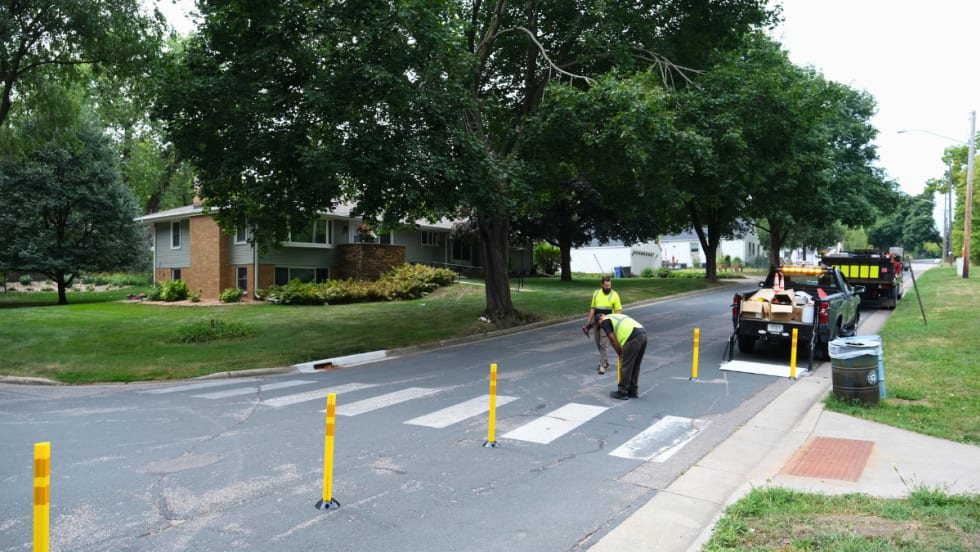
Minneapolis School Zone Pilot Cuts Speeding 41% with Low-Cost Street Design Changes
In a pilot project in Minnesota, two school-area intersections had low-cost, temporary road and traffic flow improvements made to measure the impact on roadway and student safety. Here's what they found.
Read More →
Sitestream, Safety Vision Partner with Connecticut City to Launch School Bus Stop-Arm Camera Program
The new enforcement initiative combines camera technology and violation management software to document illegal school bus passing, encourage driver compliance, and enhance student safety.
Read More →
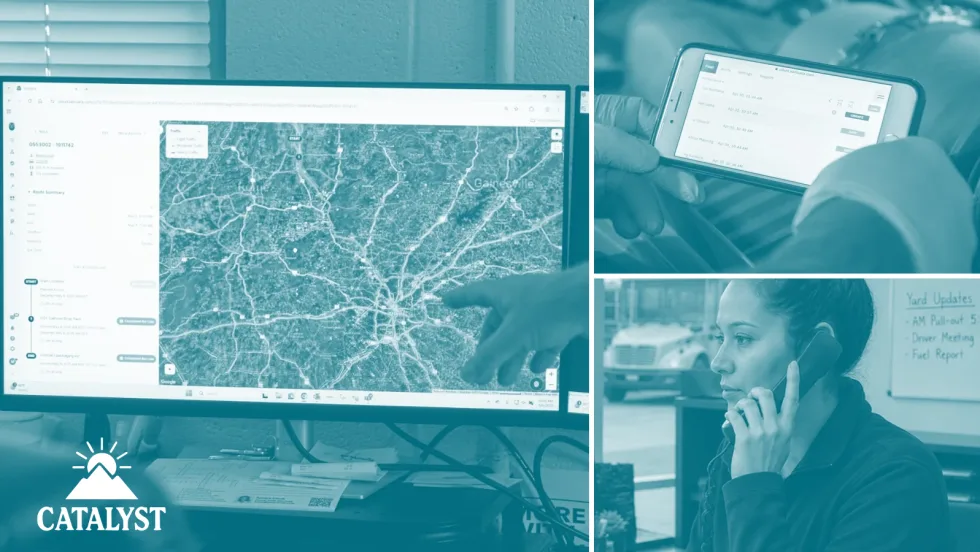
From Reactive to Proactive: Making Every Ride Visible
Smart technology only delivers its full value when it works together. See how Catalyst connects proven industry platforms to move student transportation from reactive to proactive.
Read More →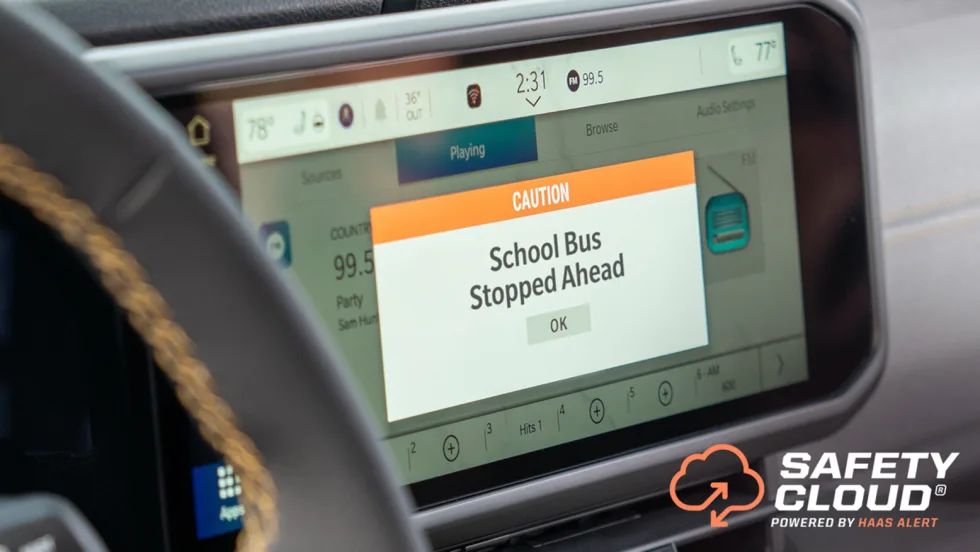
HAAS Alert’s Safety Cloud Warns Motorists of Stopped School Buses
Through a transponder or Samsara connection, the product lets school bus fleets send advance warnings to approaching drivers through in-vehicle alerts.
Read More →
HopSkipDrive Reports Progress on Safety Advisory Council
More than a year after forming the council, independent safety experts have helped shape new rider-safety features and policy progress, with a new goal to address rider behavior.
Read More →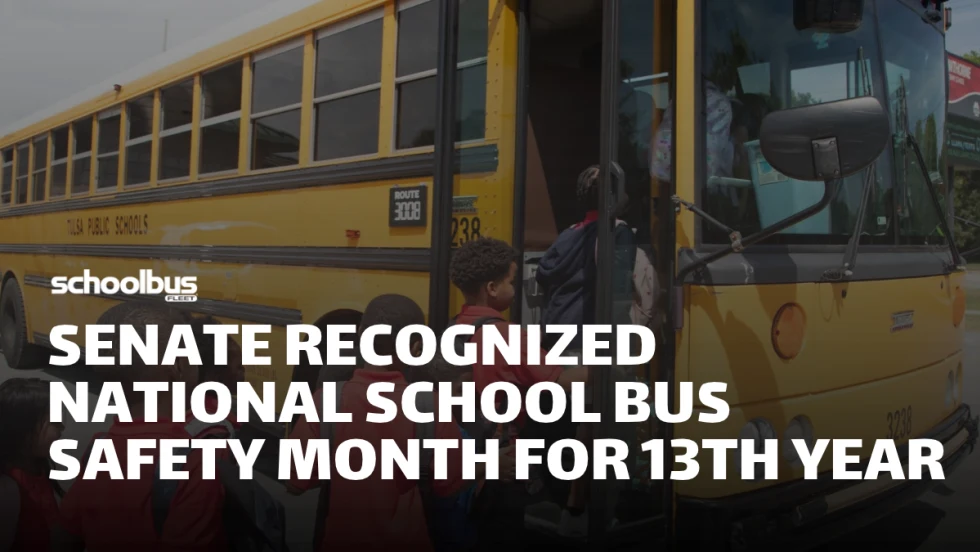
What the 2026 National School Bus Safety Month Resolution Means for Student Transportation
The bipartisan resolution highlights illegal school bus passing, student safety during loading and unloading, and the need for driver training and public education.
Read More →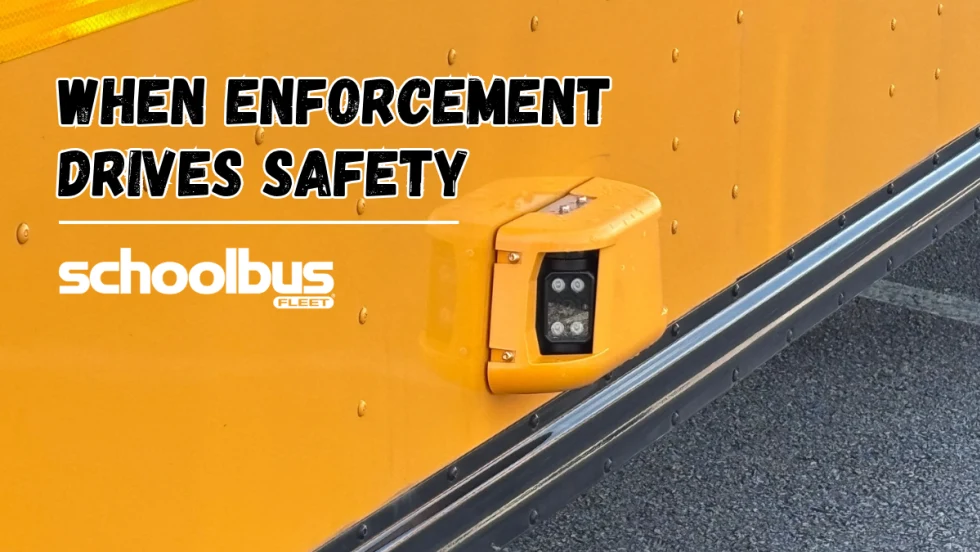
School Bus Stop-Arm Violations Decline 53% Across Verra Mobility Programs
Verra Mobility shares how school bus stop-arm cameras and school zone safety programs are changing driver behavior, reducing violations, and protecting students.
Read More →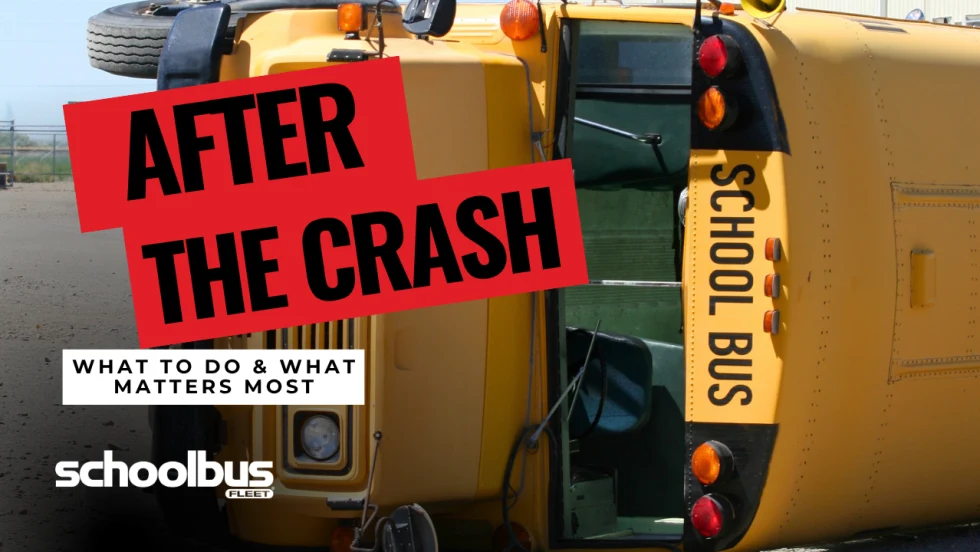
Most Bus Crashes Aren’t Your Fault. Here’s How to Prove It.
A guide for what to do in between a school bus crash and a claim: what to preserve, who to notify, and how to keep the facts available when they matter.
Read More →
National School Bus Safety Week 2026: Tips, Toolkits & Resources to Keep Students Safe
School bus safety takes more than awareness. Explore expert tips, enforcement strategies, and free resources to help protect students on every ride.
Read More →