




How we developed a special-needs training course
Too often, new school bus drivers and attendants are assigned the task of transporting special-education students without adequate training.
Too often, new school bus drivers and attendants are assigned the task of transporting special-education students without adequate training. Thrust into this unfamiliar environment, the new driver must sometimes devise procedures "on the fly." In the process, errors can be made that result in discomfort for the driver and/or student, at the very least, and injuries, driver dismissals and lawsuits, at the worst. To provide drivers with the knowledge and skills they need for special-needs transportation, I searched for a good, basic program. What I found was plenty of technical information, often written by academicians in graduate school-level language that is of little practical use for the new, inexperienced driver. We needed a better delivery system for this information.
Starting from scratch
The opportunity presented itself at a monthly transportation director’s meeting of our regional special-education consortium, the North County Consortium for Special Education (NCCSE). We discussed the issue of inadequate special-education training for new drivers, and all agreed to work to improve the situation. Dennis Smarsty, driver training supervisor, and Kathleen Hoffman, driver instructor, (both from Oceanside) accepted the challenge to create a program from scratch. They collaborated with school bus driver instructors and special-education educators from four school districts in our consortium. All development time was after regular working hours. The school districts were able to provide all but one of the videos listed in the program, and we did obtain permission from the video producers to use them in the classes. Other start-up items purchased include four mannequins from infant to young adult size, a board for students to practice fastening various types of wheelchair tiedowns, safety vests, a booster seat (not recommended), a car seat, an easel and an overhead projector. Total development cost, including supplies and salaries was $1,900. NCCSE also provides $1,000 annually for supplies and incidental expenses. Total class time is 12 hours, delivered in four three-hour evening sessions. All classes are conducted through the Vista Adult Education system, and driver instructors must be cleared by Adult Education to teach there. NCCSE pays $4,000 to Vista Adult Education annually, which covers all fees and driver instructor salaries. There is no cost to students, and participation by students is voluntary. In our district, we made attendance in this class a condition of employment. We will provide six sessions a year for approximately 30 students in each class. All instructors for this class are experienced state-certified instructors. Before teaching their first special-education class, each has audited the class for at least one complete session.
So far, feedback is positive
Three classes have been given since August 1999, with two instructors team-teaching at each class. More than 90 drivers have completed this class to date, and at the end of each session we ask each attendee to complete an evaluation form. All feedback has been positive, and comments can be summarized as "well presented," and "well-developed curriculum." Senior drivers who voluntarily attended said the same thing and added that even they learned a few things.
John Farr is transportation director at Oceanside (Calif.) Unified School District.
More Special Needs Transportation
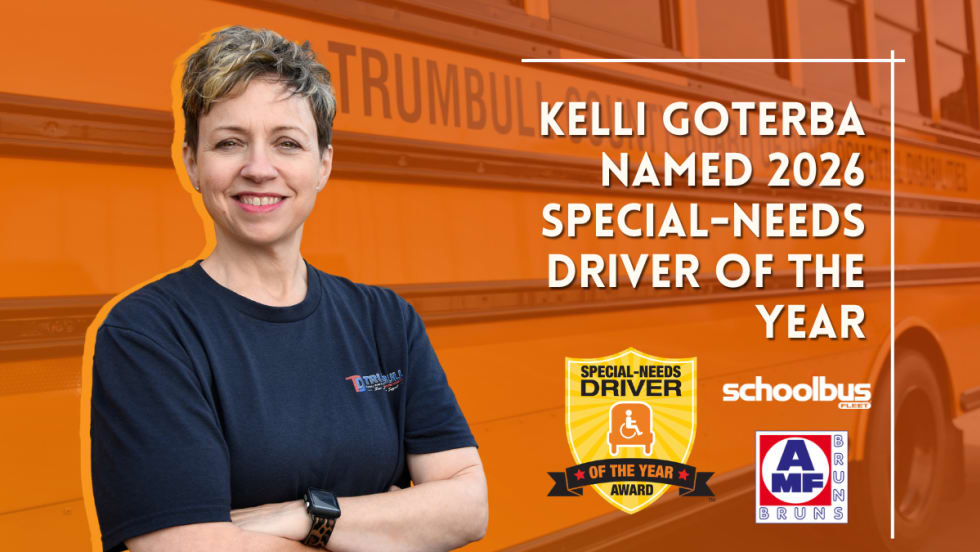
Kelli Goterba Named 2026 Special-Needs School Bus Driver of the Year
Through building trust with students and strengthening her transportation team, Goterba exemplifies the impact special-needs drivers can make.
Read More →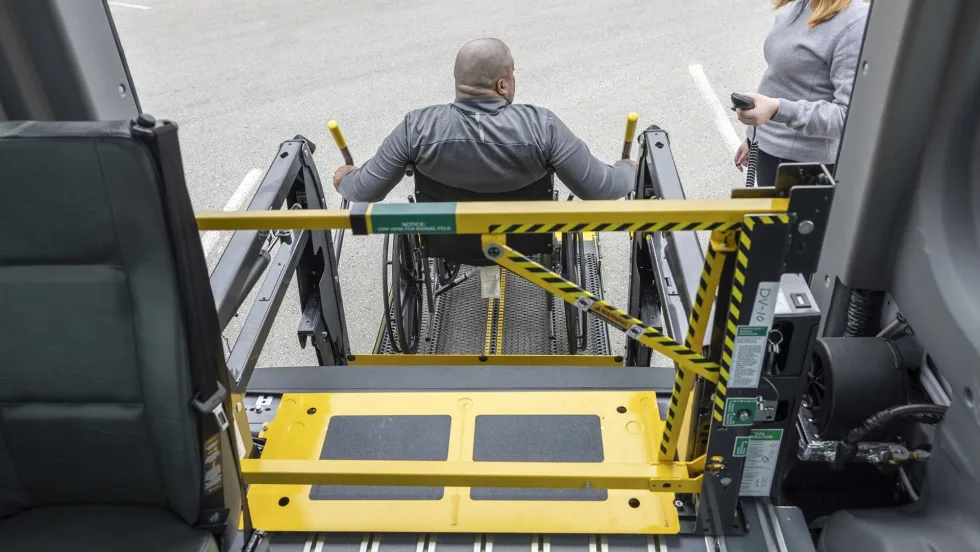
BraunAbility Introduces New Safety Barrier for Wheelchair Lifts
LiftSentinel is designed to add another layer of protection during wheelchair loading and unloading and can be retrofitted to many existing commercial lift installations.
Read More →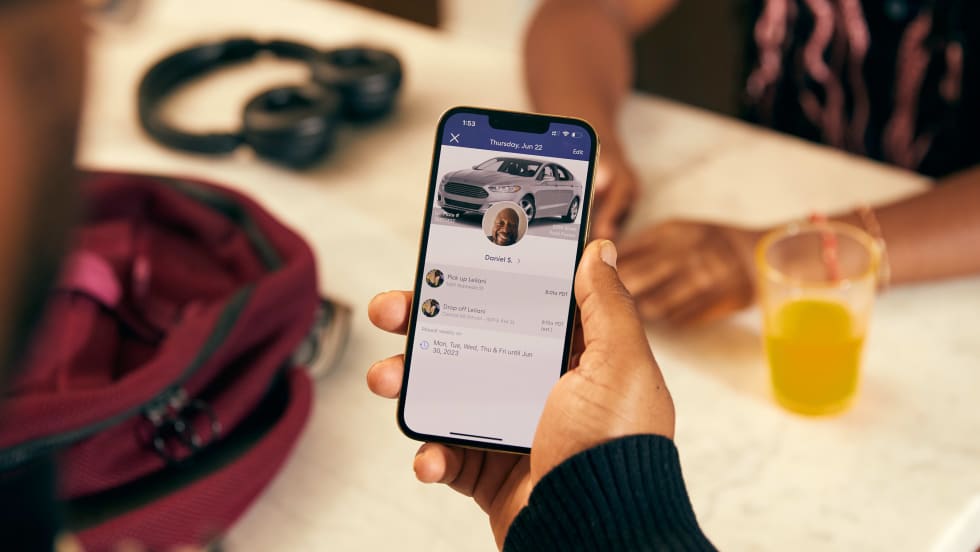
HopSkipDrive Launches New Safety, Driver Consistency Features for 2026-27 School Year
The company’s free ride recording, live ride tracking, and consistent driver assignments aim to improve safety and continuity for diverse student transportation needs.
Read More →
The Most Common Wheelchair Securement Mistakes on School Buses (and How to Fix Them)
Small missteps in wheelchair securement can have serious consequences. Here are 32 tips from experts to reduce risk and increase student safety on the bus.
Read More →
Inside AMF Bruns’ New Showroom: School Bus Securement Solutions Explained
Go inside AMF Bruns America’s new Ohio showroom with Maritza Valentin to see its FutureSafe technology, driver training tools, securement systems, and seating innovations.
Read More →
What AMF Bruns’ New Facility Means for Customers [Video]
Inside AMF Bruns’ new Stow, Ohio, operations: See how expanded space and innovation will enhance customer support and operations.
Read More →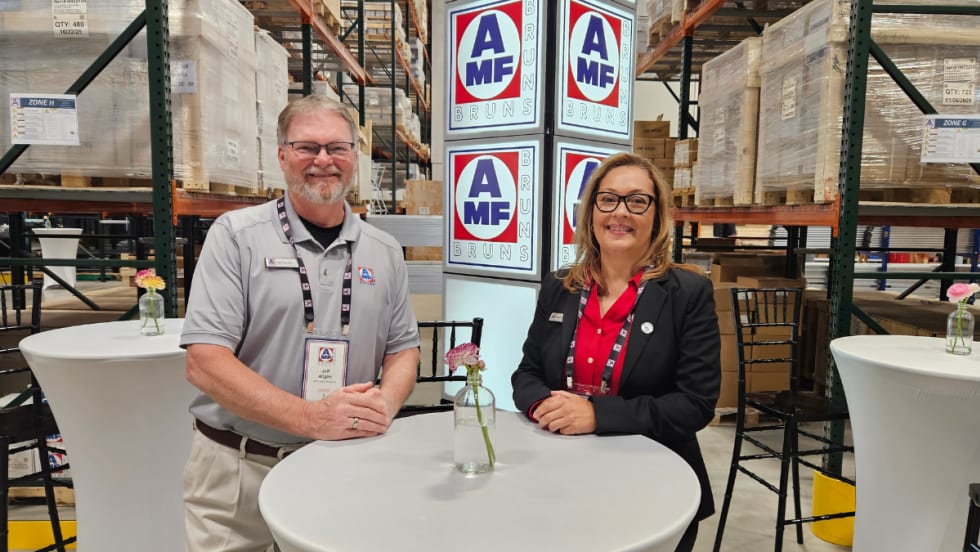
AMF Bruns Expands in Ohio, Investing in Growth and Community
With expanded production space, local investment, and a growing workforce, AMF Bruns is scaling its U.S. presence. Here’s an exclusive first look inside the new Stow, Ohio, HQ.
Read More →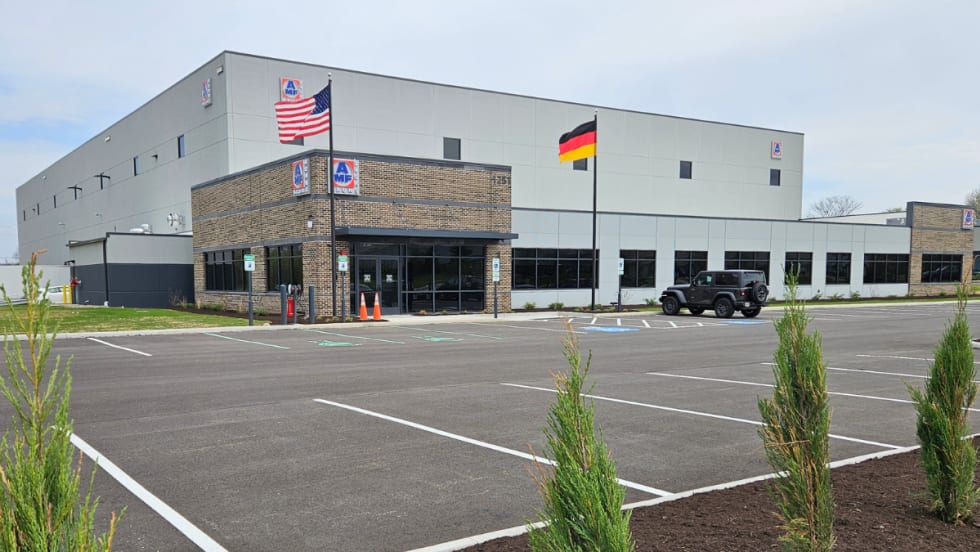
Inside AMF Bruns of America’s New Ohio Manufacturing Facility [Photos]
Take a behind-the-scenes look at AMF Bruns of America’s new 41,000-square-foot Stow, Ohio, headquarters, featuring advanced manufacturing, expanded space, and future-ready mobility solutions.
Read More →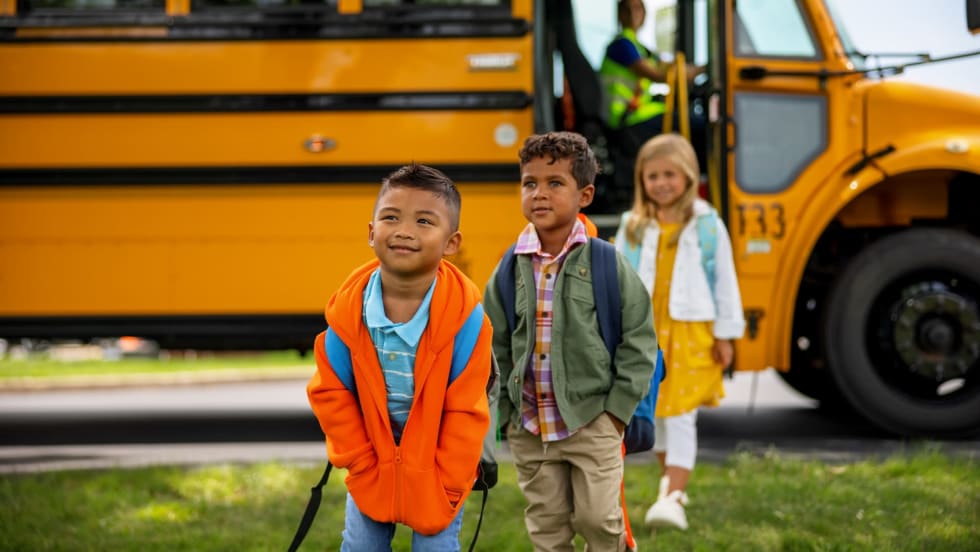
First Student Boosts Student Support in Wichita & Texas
First Student and Wichita Public Schools are using behavioral support strategies to improve student ride experiences, while a separate initiative expands access to after-school programs through a bus donation.
Read More →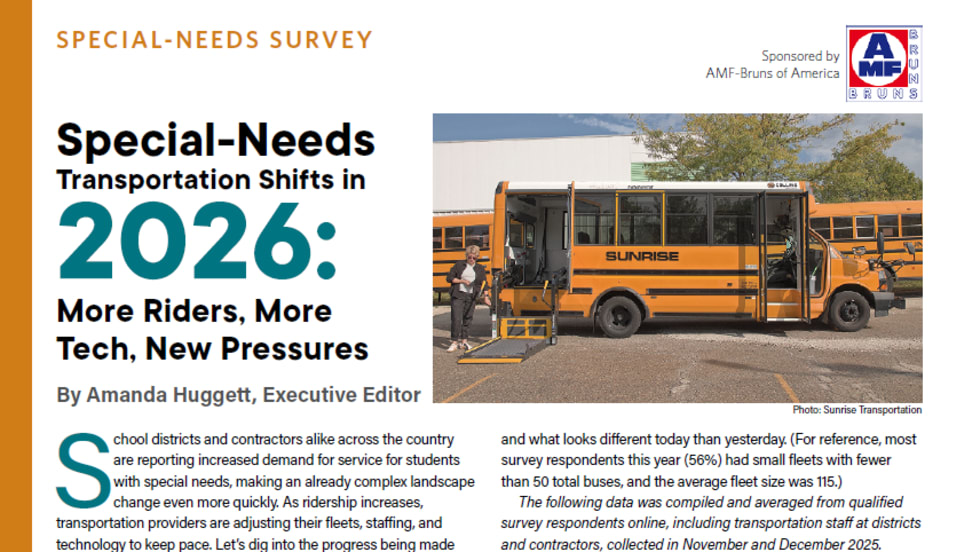
2026 Special-Needs Transportation Survey
What’s changing in special-needs transportation? This year, student transportation operators report a rising need, easing driver shortages, growing tech adoption, and evolving challenges. Sponsored by AMF Bruns of America.
Read More →