




How to react to the mystery of Otto Nuss
We may never know why 63-year-old Otto Nuss decided to hijack his own school bus, with 13 youngsters aboard, and light out for Washington, D.C., on an...
We may never know why 63-year-old Otto Nuss decided to hijack his own school bus, with 13 youngsters aboard, and light out for Washington, D.C., on an otherwise ordinary morning in Oley, Pa. According to newspaper reports, Nuss had stopped taking his medication for an undisclosed mental illness. It could have been his inner demons – peaceful ones, thank God – behind the wheel, pushing the bus toward a destiny known only to them. And the loaded rifle stuffed behind his seat? It’s probably best not to contemplate what his inner demons planned to do with that. Was it Nuss who spirited that bus and those youngsters away, or was it his undermedicated doppelganger? And why didn’t anyone notice the difference? How well do you know them?
What do we know about our bus drivers anyway? That they’ve passed drug and alcohol testing – yes, that’s mandatory. That they’ve passed criminal background checks – yes, that’s mandatory in most states. That they’ve gone off their medication and are ready to do something really scary? Not necessarily. The problem is that we often don’t know enough about our employees, whether they’re bus drivers or postal employees or magazine editors, for that matter. The key to preventing incidents in which bus drivers place themselves, their passengers and the public in danger is to know them better, either personally or through your staff. Someone should be making the effort to “connect” with each person on staff, whether it’s a driver or a maintenance employee or an administrative assistant. This personal connection not only helps to improve morale and make your workplace a more hospitable environment, but it could provide cues to unusual behavior that might encourage closer observation. For example, if one of your more quiet, subdued drivers suddenly comes into the office with high-fives for his coworkers and loud stories about his new porkpie hat, a manager should get on top of this right away. On the other hand, if one of your eternally optimistic and effervescent drivers abruptly stops talking to her friends and sits by herself in the corner, something is amiss and it’s up to a supervisor to find out what it is. At least every six months, or more often if time permits, a manager should bring in staff members and ask them about their job satisfaction and whatever else comes to mind – and then just listen. You’d be surprised at what you’ll learn about people if you’ll just take the time to listen. They may tell you why they love their work, which is always a great thing to hear, or they may provide you with 10 reasons why you’re a lousy supervisor, which is a great thing not to hear. In either case, you’ll never know how they feel unless you ask them. What about a buddy system?
I call my 3-year-old son “buddy,” even though his name is Nicholas. It’s probably just a bad habit, but I do want him to think of me as his buddy as well, so that he can tell me anything that’s on his mind, which these days is limited to his new tricycle and Disney’s “Peter Pan” video, which he’s seen 20 times with undiminished satisfaction. I mention this because I like the idea of a buddy system, in which new hires are assigned to an experienced staff member who “shows them the ropes” and makes sure that they’re comfortable in their new environment. These relationships can endure beyond the assigned three months or however long they’re designated. Great friendships can be formed. Under the right circumstances, they could help to prevent potentially tragic situations like the six-hour ride of Otto Nuss. I think we all need a buddy sometimes.
More Management

Why Emotional Intelligence Matters in Student Transportation
Learn the five key elements that bus drivers and transportation directors can use to stay calm in any situation.
Read More →
2026 Back-To-School Readiness Report
Staffing gaps, flat budgets, and the distance between “mostly prepared” and ready for the 2026-2027 school year.
Read More →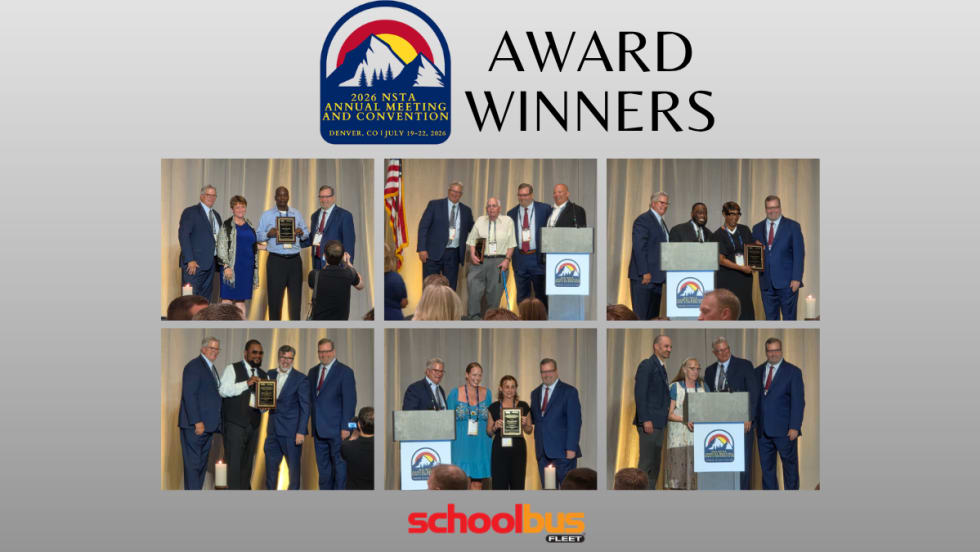
National School Transportation Association Presents 2026 Award Winners
Twenty-one individuals and contractor companies were recognized for excellence in student transportation at NSTA's annual meeting and convention in Denver.
Read More →

School Transportation Data Is Only as Powerful as the Story It Tells
Leaders say turning operational metrics into student-centered narratives can help districts justify investments and improve service.
Read More →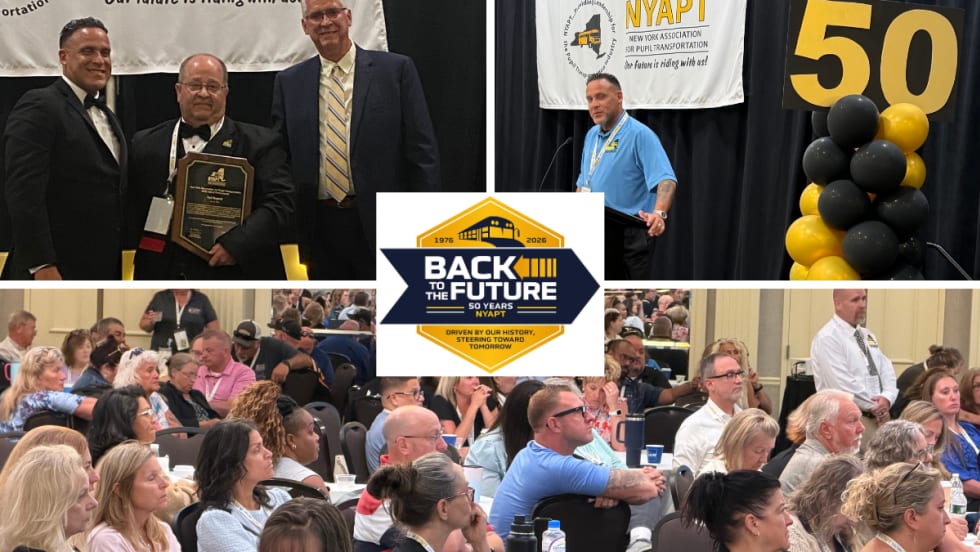
Photos: NYAPT Celebrates 50 Years at 2026 Conference & Trade Show
See highlights from NYAPT's 50th anniversary conference in Saratoga Springs, featuring educational sessions, awards, a trade show, networking, and more.
Read More →
Ohio Transportation Workgroup Calls for End to 'Impractical to Transport' Payments
A final report from Ohio's Pupil Transportation Workgroup proposes ending "impractical to transport" payments and expanding transportation options through regional partnerships, but not all industry pros agree on the approach.
Read More →
Transfinder Expands California Footprint with Multiple School District Wins
Six California school districts selected the company's routing platform and related transportation technology as Transfinder continues expanding its presence across the state.
Read More →
NSTA's Curt Macysyn on Student Transportation History and What's Next
Hear from NSTA's executive director as we discuss student transportation's role in American history, federal regulation, driver recruitment, illegal passing, AI, and what might be next, in this Route interview.
Read More →
NSTA on 250 Years of America and the Road Ahead for Student Transportation
Curt Macysyn joins The Route to discuss student transportation's role in American history, federal regulation, driver recruitment, illegal passing, AI, and the industry’s future. Sponsored by IC Bus.
Read More →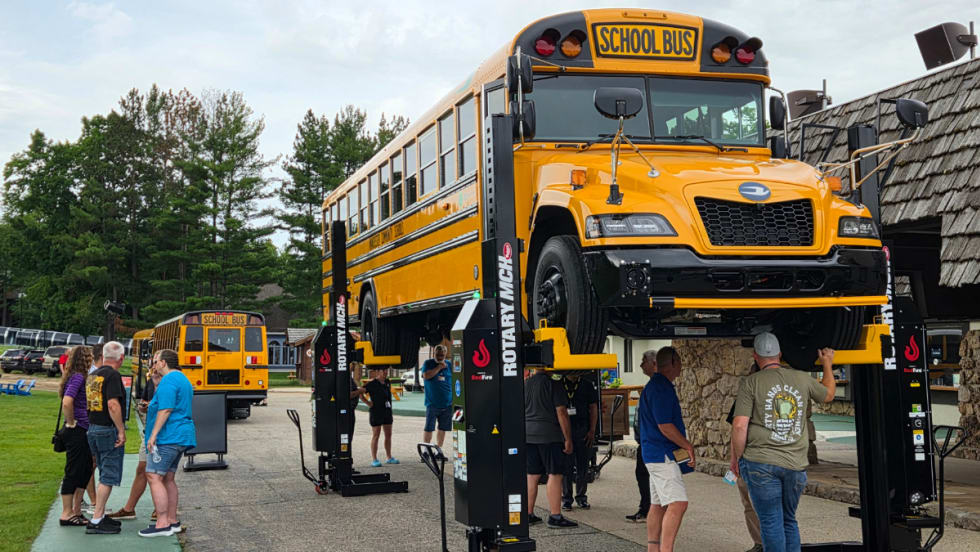
Photo Highlights: Inside the 2026 Michigan Association for Pupil Transportation Conference
Snapshots from the 2026 MAPT conference, where Michigan's school transportation professionals gathered for training, technology updates, awards, networking, and more.
Read More →