




How I Grew to Love Biodiesel
In the fall of 2003, I was approached by Bloomington Transit and Indiana University to participate in a pilot program using B20 (20 percent soy biodiesel, 80 percent petroleum diesel).
In the fall of 2003, I was approached by Bloomington Transit and Indiana University to participate in a pilot program using B20 (20 percent soy biodiesel, 80 percent petroleum diesel).
I knew this was the right thing to do politically, but I was still hesitant because of all the negative information I had heard regarding soy biodiesel. Reluctantly, I agreed to participate in the pilot program. But I told the Indiana Soybean Board that if I experienced one problem, they were pumping my tanks and I would never use it again.
I chose four of my oldest buses — with engines such as International’s DT 360 and CAT’s 3116 and 3208 — as I was sure that I would lose a motor during the pilot program, and I could just send the bus to the auction pile.
We began the program in December 2003, just in time for winter. One morning, the temperature was below zero. On my way to coffee, I called the morning supervisor and told her to get some buses running so that when the biodiesel buses quit, we would have spares ready to go. I was sure they would gel up, but I was proven wrong.
There were no problems whatsoever.
Another morning, the temperature was -23 degrees, and we had a bus leaving on a field trip. The driver wanted to know if she should take a biodiesel bus or a regular-diesel spare bus. Since the trip was in town, I advised her to take the biodiesel bus. If she were to have problems, we’d be able to get to her fast.
Again, no problems.
In summer 2004, we began running our summer-school buses on B20. We didn’t experience filter problems on any of these buses. But we had some filter problems at our fuel pumps.
My advice to others who implement B20 is to have external filters on your pumps and keep them clean. After all, soy methyl ester is a natural solvent, and it will clean your tanks out if you have old tanks.
In fall 2005, we switched our entire fleet to B20. We are monitoring our fuel closely. When ordering, we specify what we want the CFPP to be and leave the mixing up to the supplier.
We also specify a minimum of 50 cetane on our low sulfur diesel and require our supplier, Countrymark Co-op, to pull samples and run lab tests on our CFPP. To date, we have not experienced any problems due to cold weather.
We have seen several benefits from using soy biodiesel. The most obvious one is the noticeable reduction in diesel fumes in our bus lot. We no longer have the blue haze that used to linger when we started our buses on cold mornings at 5.
Allen Jackson, our garage supervisor, notices a difference in the garage as well. While we may have been a little premature in changing our fuel filters, with the clean-burning biodiesel we have been able to double our mileage and increase our oil change intervals.
Gary Koontz, our mechanic who takes care of our preventive maintenance, says that he can tell by the feel of the fuel how clean it is. It doesn’t have the gritty feeling that No. 2 diesel has. I have even had a few drivers mention that their bus seems to be running more smoothly on biodiesel.
Now, we can’t imagine going back to straight diesel.
Mike Clark is director of transportation at Monroe County Community School Corp. in Bloomington, Ind.
Fast Facts
Buses.........................................110
Students transported daily...........9,000
Total students in district..............10,776
Schools served...........................19
Daily mileage..............................6,000
Area of service............................352 sq. miles
Average driver wages..................$12.14/hour
More Alternative Fuels
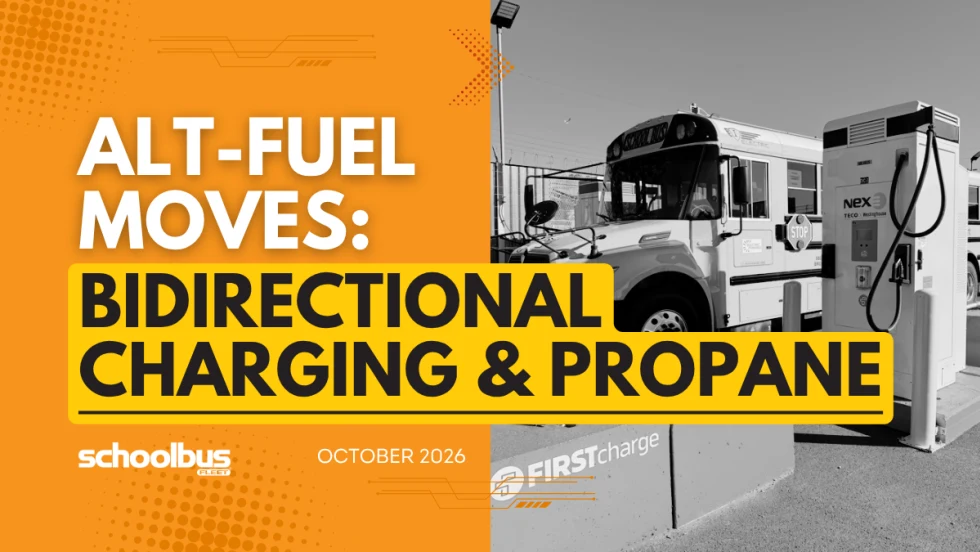
Alt-Fuel Moves: Electric Bus Rollouts, Bidirectional Charging & Propane Growth
See which fleets are adding electric and propane school buses as districts and operators invest in charging infrastructure, bidirectional technology, and alternative-fuel expansion.
Read More →
Nobody Told Diesel Prices They Were Supposed to Come Down
With diesel prices surging, school bus fleets have new reason to stress-test fuel costs, consider diversification, and calculate what each route really costs to operate.
Read More →
Why Gasoline School Buses Are Making a Comeback
Gasoline is gaining ground in full-size school buses. See how today’s options stack up against diesel on cost, maintenance, emissions, performance, and more.
Read More →
EPA Opens $180M DERA Funding Round for Diesel Upgrades
The 2026 Diesel Emissions Reduction Act program seeks applications from eligible organizations to accelerate the retirement of legacy diesel vehicles.
Read More →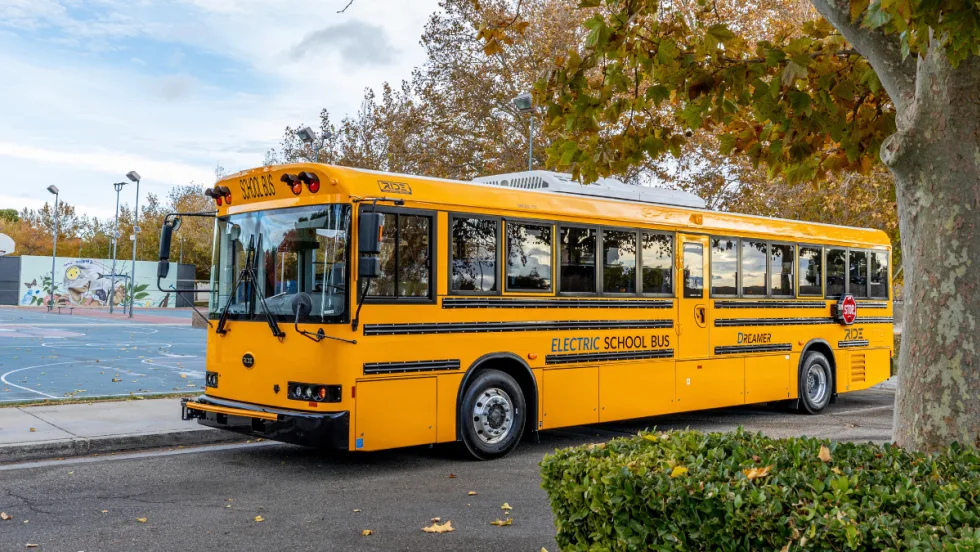
The Secret Life of an Electric School Bus Battery
Batteries change throughout years of daily routes, but degradation doesn’t necessarily mean the end. Here’s what operators should know about performance, safety, and second life.
Read More →
CALSTART and Forth Combine to Form Catalyst Mobility
The new name represents a renewed vision for the nonprofit focused on advancing clean, equitable, and affordable transportation solutions that move people and goods.
Read More →
Alt-Fuel Moves: New Buses, Charging Hubs & Real-World EV Testing
Propane and electric school bus deployments continue to grow as districts add new vehicles, expand charging infrastructure, and gather more real-world operating data.
Read More →
Fewer Electric School Bus Models Reshape the U.S. Market
WRI’s latest buyer’s guide points to a consolidating electric school bus market, but fewer options may reflect a maturing industry rather than fewer meaningful choices for school bus operators.
Read More →
The Fuel Budget You Can Actually Predict: How Propane Autogas Keeps Money in the Classroom
Learn how propane autogas helps school districts manage fuel costs with predictable pricing, lower maintenance, and reduced emissions from former transportation director Joel Stutheit.
Read More →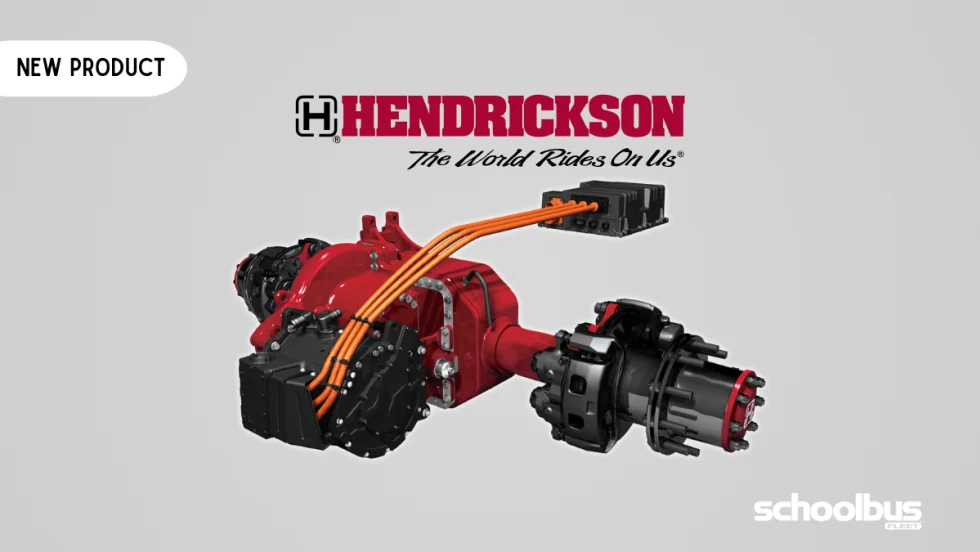
Hendrickson, Driventic Introduce New Electric Powertrain for School Buses
ELECTRAAX, the electrified, lightweight drive axle offers integrated ePowertrain efficiency and modular flexibility for Class 6–7 school bus use.
Read More →