




Help get the word out on transport wheelchairs
Students who use mobility aids such as wheelchairs represent only a small fraction of the approximately 23.5 million children who ride school buses to and from school each day. As such, they could be easily overlooked when it comes to occupant safety.
Students who use mobility aids such as wheelchairs represent only a small fraction of the approximately 23.5 million children who ride school buses to and from school each day. As such, they could be easily overlooked when it comes to occupant safety. But the industry has not allowed that to happen. Although the efforts of pioneers like Lyle Stephens to force the federal government to develop crashworthiness standards for transportable wheelchairs failed, his mission was taken up by the dedicated people who comprise SOWHAT (Subcommittee on Wheelchairs and Transportation), which operates under the auspices of the American National Standards Institute (ANSI) and the Rehabilitation Engineering and Assistive Technology Society of North America (RESNA).
Funding problems overcome
Since 1994, this group of school transportation professionals, engineers, manufacturer representatives and industry association liaisons has battled recurrent funding shortfalls in its quest to develop design and performance standards for transportable wheelchairs. Their job is nearly done — at least the first part of it. A final draft of WC-19, as the standard is called, is being sent around for approval. Larry Schneider, senior research scientist at the University of Michigan Transportation Research Institute in Ann Arbor and SOWHAT chairman, says the document is, for all intents and purposes, complete. Equally important, wheelchair manufacturers have overcome their early resistance to this effort. Several manufacturers, such as Sunrise Medical, Invacare, Convaid and Everest and Jennings, offer models that incorporate WC-19 design and performance standards. In some cases, the transport option adds only $100 to $250 to the cost of a wheelchair. That’s not a significant additional expense when you consider that wheelchairs can cost several thousand dollars. In addition, the transportable wheelchair will have to meet dynamic crash-testing standards to be certified as WC-19 compliant. It will also have dedicated securement points. These brackets should eliminate any confusion on the part of bus drivers and aides on where to connect the tiedown straps.
The next step is critical
With WC-19 all but done and printed, it’s time to look at the next challenge: Getting the word to parents that these transport-ready wheelchairs are available and are worth the extra investment. This task falls upon the physical and occupational therapists at school districts, physicians and school transportation professionals like yourselves. Every opportunity should be taken to let parents know that safer wheelchairs are available for travel in a motor vehicle, including the school bus. When a driver or aide notices that a child’s wheelchair needs replacement because the child is outgrowing it or because it’s falling apart, he or she should advise the parent that transportable models are available. That means that transportation supervisors need to educate their drivers and aides about the existence of these WC-19 wheelchairs and their benefits. Here’s what they should tell them: Transportable wheelchairs are not any less effective in day-to-day performance than their more traditional counterparts. Transportable wheelchairs have additional features that provide increased levels of safety in frontal crashes. Transportable wheelchairs are more easily and quickly secured in a school bus, lowering the odds that the chair will not be tied down properly by the driver or aide. Taken together, these WC-19 benefits certainly outweigh any additional expense in the upfront cost of the wheelchair.
More Special Needs Transportation
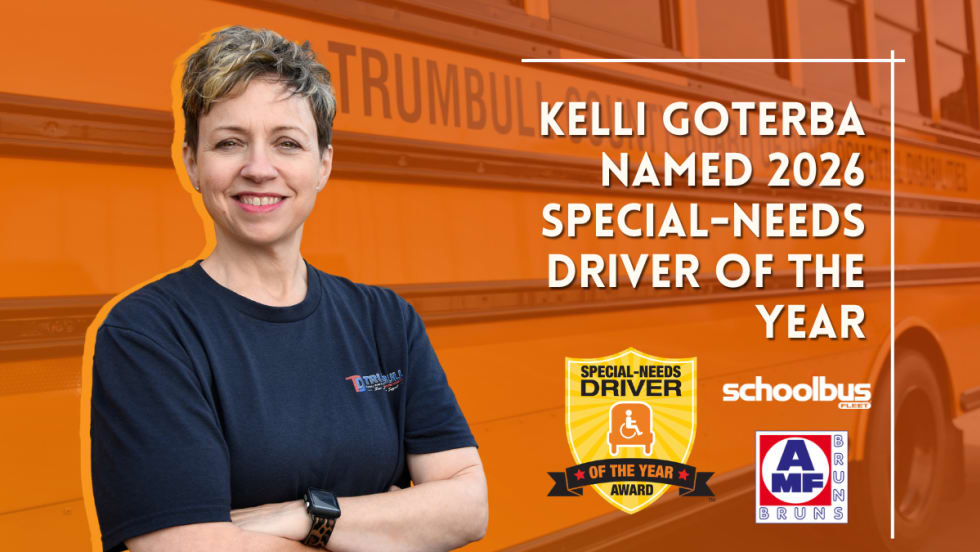
Kelli Goterba Named 2026 Special-Needs School Bus Driver of the Year
Through building trust with students and strengthening her transportation team, Goterba exemplifies the impact special-needs drivers can make.
Read More →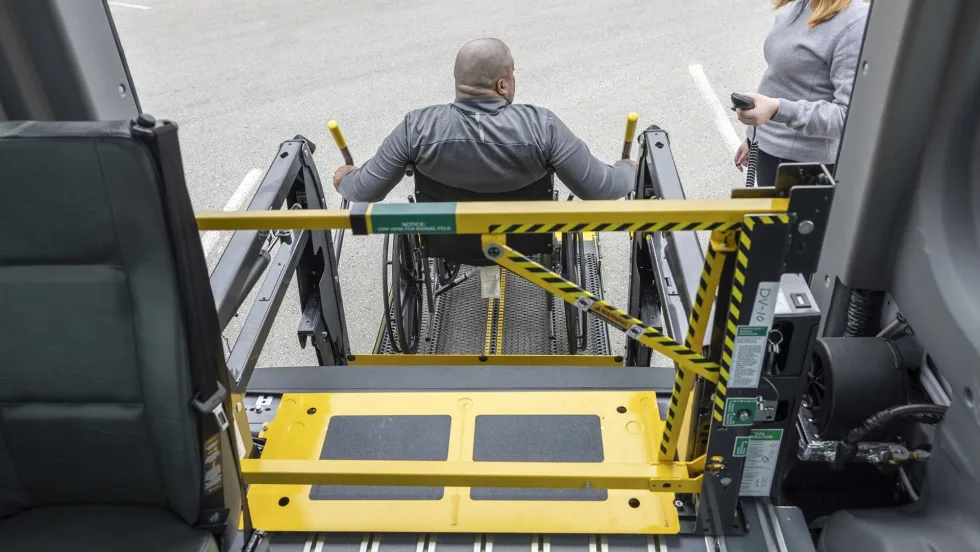
BraunAbility Introduces New Safety Barrier for Wheelchair Lifts
LiftSentinel is designed to add another layer of protection during wheelchair loading and unloading and can be retrofitted to many existing commercial lift installations.
Read More →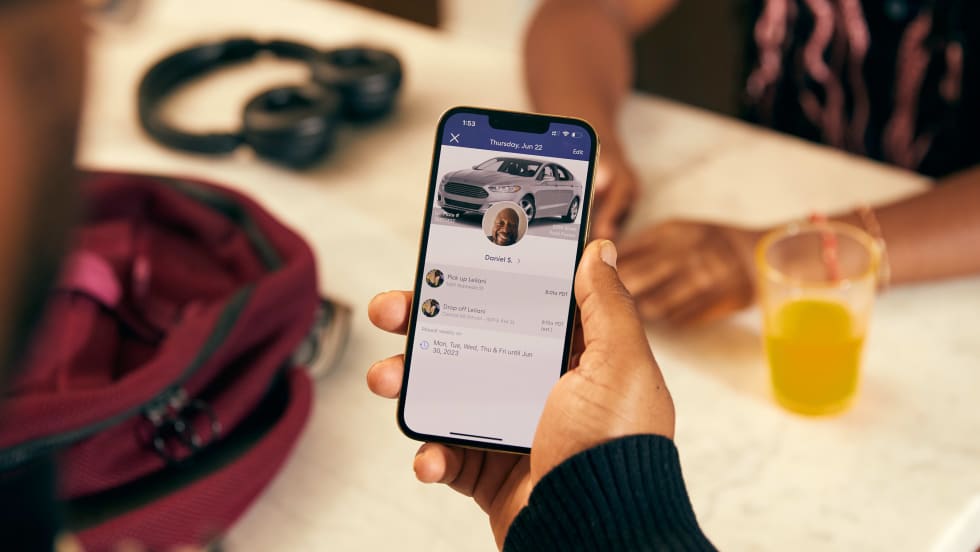
HopSkipDrive Launches New Safety, Driver Consistency Features for 2026-27 School Year
The company’s free ride recording, live ride tracking, and consistent driver assignments aim to improve safety and continuity for diverse student transportation needs.
Read More →
The Most Common Wheelchair Securement Mistakes on School Buses (and How to Fix Them)
Small missteps in wheelchair securement can have serious consequences. Here are 32 tips from experts to reduce risk and increase student safety on the bus.
Read More →
Inside AMF Bruns’ New Showroom: School Bus Securement Solutions Explained
Go inside AMF Bruns America’s new Ohio showroom with Maritza Valentin to see its FutureSafe technology, driver training tools, securement systems, and seating innovations.
Read More →
What AMF Bruns’ New Facility Means for Customers [Video]
Inside AMF Bruns’ new Stow, Ohio, operations: See how expanded space and innovation will enhance customer support and operations.
Read More →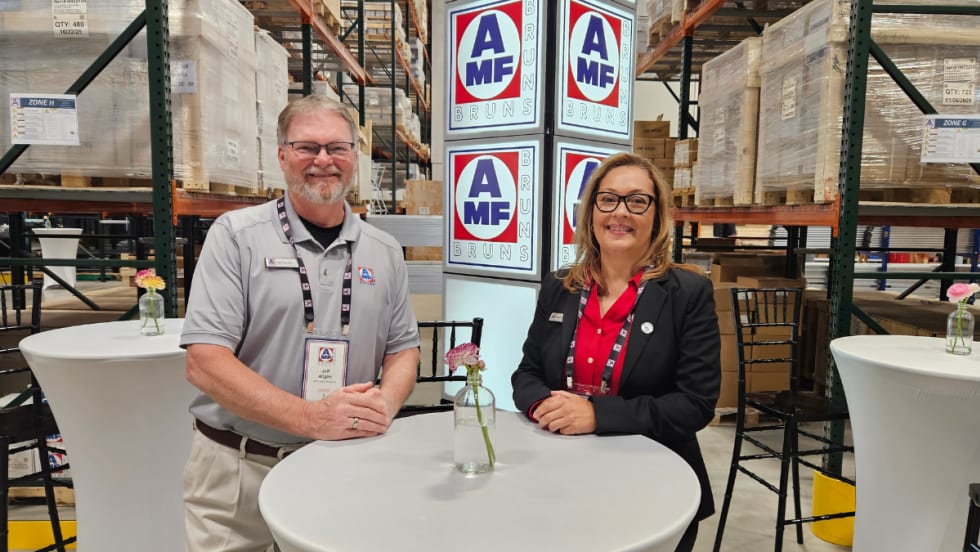
AMF Bruns Expands in Ohio, Investing in Growth and Community
With expanded production space, local investment, and a growing workforce, AMF Bruns is scaling its U.S. presence. Here’s an exclusive first look inside the new Stow, Ohio, HQ.
Read More →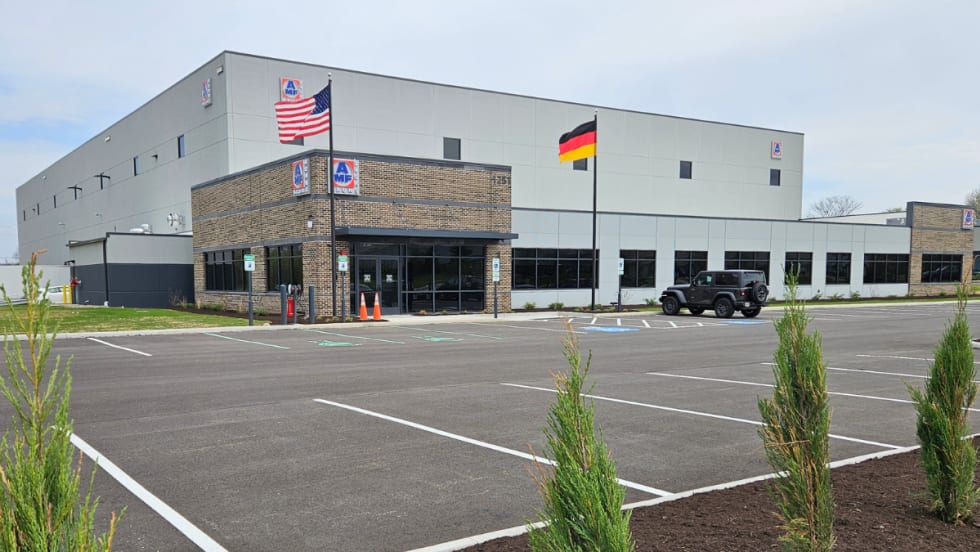
Inside AMF Bruns of America’s New Ohio Manufacturing Facility [Photos]
Take a behind-the-scenes look at AMF Bruns of America’s new 41,000-square-foot Stow, Ohio, headquarters, featuring advanced manufacturing, expanded space, and future-ready mobility solutions.
Read More →
First Student Boosts Student Support in Wichita & Texas
First Student and Wichita Public Schools are using behavioral support strategies to improve student ride experiences, while a separate initiative expands access to after-school programs through a bus donation.
Read More →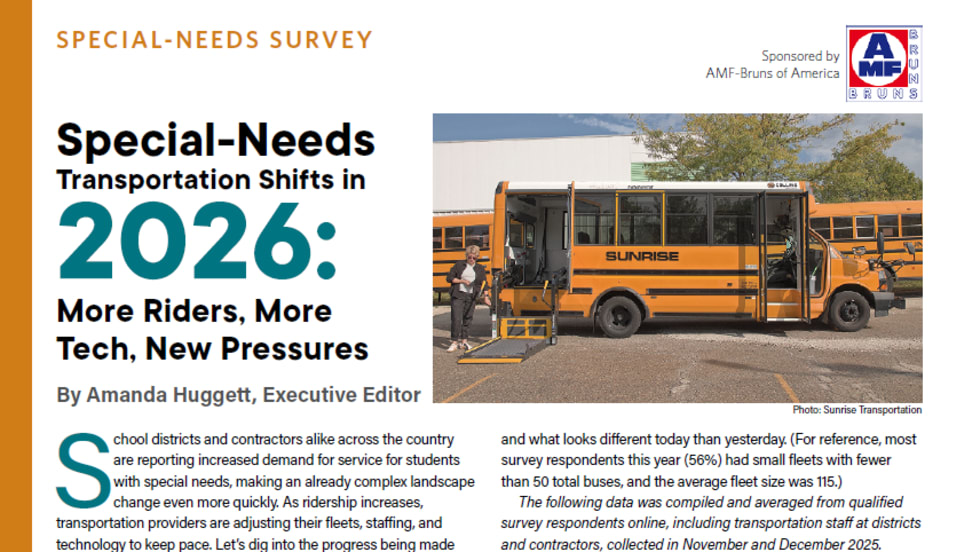
2026 Special-Needs Transportation Survey
What’s changing in special-needs transportation? This year, student transportation operators report a rising need, easing driver shortages, growing tech adoption, and evolving challenges. Sponsored by AMF Bruns of America.
Read More →