




Go tell it on the mountain
Yellow school buses are one of DOT’s best success stories. This accomplishment needs to be told not so much for those in our industry but for the elected officials and citizens of cities across the country that are being forced to make difficult budgetary decisions.
When the U.S. Department of Transportation (DOT) wants to get the word out on something, it can be incredibly effective. Witness the agency’s fervent efforts recently to end distracted driving. Nary a day goes by that we don’t see a story somewhere about the perils of distracted driving, coupled with a call to end the practice post haste.
Frankly, we not only applaud the effort, we’re a bit jealous of it. This issue’s rise to prominence is the latest example of DOT’s strength as a newsmaker.
DOT has had more successful communications campaigns than there is space to list here. But an example is the famous multi-media blitz featuring the crash test dummies, Vince and Larry, who beginning in the early 1980s helped persuade a nation of mostly non-users to begin buckling up. That campaign was considered one of the most effective public service efforts in U.S. history because the commercials were so entertaining and because they produced results — belt use soared.
Similarly successful were the various iterations of strong messaging like “Drinking and Driving Can Kill a Friendship” and “Friends Don’t Let Friends Drive Drunk,” which created widespread awareness about the dangers of drunken driving.
The DOT is out in force with its many communications. Every year, millions of dollars are spent to this end nationally and in grants to the states. Efforts range from news releases and statements by key officials to full-blown campaigns, including paid advertising.
When it comes to communications, problem areas naturally come to the fore — the squeaky wheels get the grease. In most cases, this makes sense and is the proper use of resources. But touting success stories also has a role in the process — showing that investments of time and money can pay off.
So now we come to the point of this article: The American people have been kept mostly in the dark about their return on investment in what is a rather spectacular success story: the yellow school bus.
There are no communications coming out of the DOT pointing out the critical contribution of the school transportation infrastructure to our education system, the standout safety performance of the vehicles themselves, that it’s the largest mass transit system in America and helps to relieve traffic congestion. Not one word about the fact that this amazing system is in danger of being dismantled when the opposite should be the case.
If seat belt use nationally goes up one point, a DOT news release is issued pronto. But when school systems make financial decisions to take buses off the road, resulting in increased traffic congestion, decreased air quality, more injuries and fatalities on our highways and greater risk to school-age children, there is deafening silence.
We realize the agency’s communications priorities are set by the political appointees at DOT, and members of Congress often weigh in with their pet interests. Regardless of politics, there are many basic safety programs that are “evergreens” in that the nuance may change over time, but they remain on the front burner always. Certainly school bus safety is among them.
In a May 17 blog item about improving professionalism in the aviation industry, the secretary of transportation said, “We can’t regulate professionalism … but every day we can talk about and encourage professionalism and high standards from every transportation worker responsible for keeping travelers safe. ... Whether you’re a pilot, mechanic, an air traffic controller, a bus driver or train operator, it doesn’t matter. Following the rules, staying focused, and taking pride in your work will help avoid mistakes and keep our entire transportation system as safe as possible.”
We couldn’t agree more. This is what school bus professionals are doing day in and day out. And the proof is right there in the DOT building in their statistical database. The public needs to be reminded of this — not just from the industry itself, because that is perceived as self-congratulatory, but from the U.S. DOT.
Our intent in bringing this up is not to be overly sensitive or judgmental. In a recent letter to the secretary, we were not critical and didn’t ask for money or a big PR campaign. We just asked to be on the team and have a small slice of the communications pie devoted to the men and women of pupil transportation, who every day are accomplishing precisely what DOT strives for across all modes of transportation: the best possible safety and efficiency.
This accomplishment needs to be told not so much for those in our industry but for the elected officials and citizens of cities across the country that are being forced to make difficult budgetary decisions. They need to know that pupil transportation is one of the most effective government/private sector partnerships ever devised and is central for learning to occur.
Yellow school buses are one of DOT’s best success stories. To borrow the words of the iconic spiritual song, it’s time to “Go tell it on the mountain, over the hills and everywhere!”
Mike Martin is executive director of NAPT. Barry McCahill is communications consultant.
Late breaking news: NAPT reports that the school bus industry has received a very positive response from Transportation Secretary Ray LaHood to the request for an information campaign on pupil transportation. Details here and in next month’s issue.
More Safety

How to Build a Better School Bus Driver Training Program
Is it time to strengthen your driver training? Here’s how to pick the right talent and improve recruitment, retention, and safety. This video is brought to you by IC Bus.
Read More →
Recent School Bus Accidents Leave 2 Dead, 2 Injured
Four school bus crashes in Florida, Illinois, and Georgia highlight risks in transportation lots, at bus stops, and during student loading and unloading.
Read More →
When Every Second Matters, Clarity Keeps Routes Moving
From routine delays to urgent incidents, strong communication practices help drivers, dispatchers, schools, and families respond with confidence.
Read More →

What Happens When a School Bus Catches Fire — and What Can Help
School bus fires are rare but can be devastating. Learn how advances in fire suppression and asset protection help fleets detect fires earlier, reduce damage, and improve safety.
Read More →
Geotab Launches Tool to Help Fleets Investigate Road Incidents
Geotab Investigations combines telematics data, video, documents, and other evidence to help fleets reconstruct incidents, resolve claims, and determine what happened.
Read More →
Texas Sixth Grader Wins 2026 National School Bus Safety Poster Contest
Sai Darshana Yekolu of Moseley Middle School in Prosper, Texas, was named the newest winner for her artwork, bringing the theme of “Safe Rides, Everyday Heroes” to life.
Read More →
Doing More With Less: How Transportation Directors Can Prioritize Safety Amid Budget Uncertainty
With diesel prices soaring and nearly one-third of transportation directors expecting budget cuts, maintaining student safety has never been more challenging. Download this guide to learn how leading districts are prioritizing risk, funding critical safety technology, and building stronger budget cases with data.
Read More →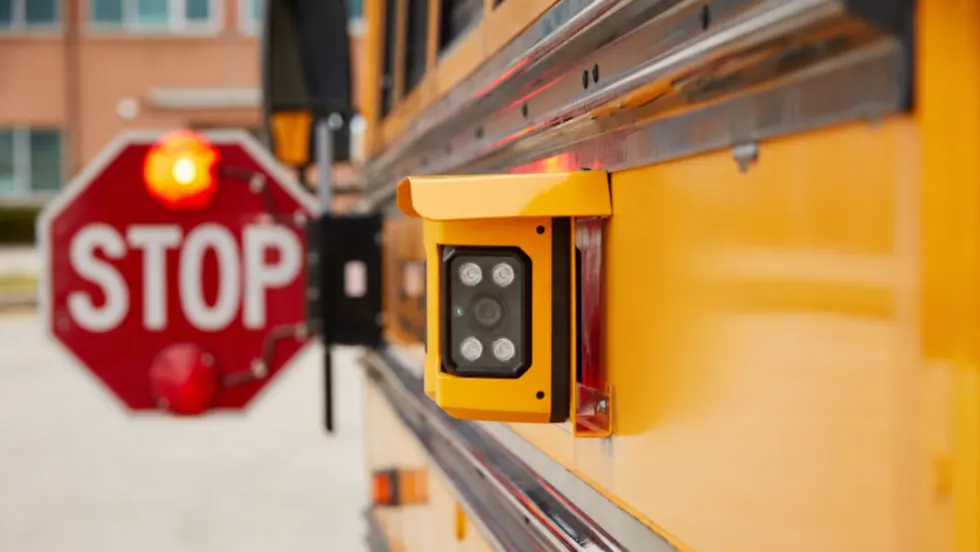
Walton County Schools Adds Gatekeeper Stop-Arm Enforcement System
The Florida district will deploy Gatekeeper’s updated Student Protector technology, which now incorporates AI to improve video evidence.
Read More →
How To Build a More Secure School Bus Yard During and After Hours
As thefts and overnight security threats continue, school transportation leaders are combining stronger operational practices with AI-enabled surveillance to better protect buses, facilities, and staff.
Read More →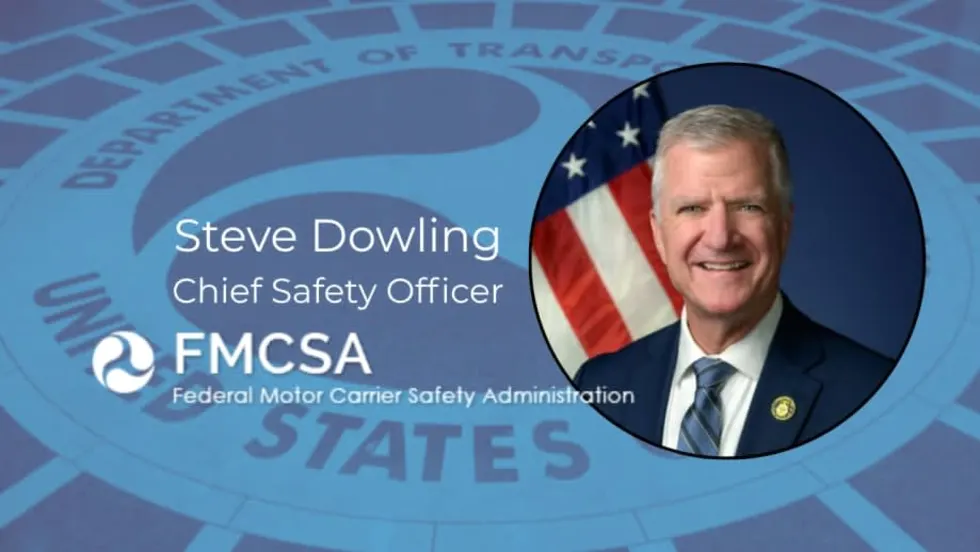
FMCSA Names New Chief Safety Officer: What School Bus Operators Should Know
Steve Dowling is set to lead the federal agency's efforts to advance commercial motor vehicle safety and reduce crashes, fatalities, and injuries on the nation's roadways.
Read More →