




Emissions deadline looms for some engine makers
New emission-reducing plumbing is coming to engines in the school bus industry, but not at the same speed as heavy-duty markets such as over-the-road ...
New emission-reducing plumbing is coming to engines in the school bus industry, but not at the same speed as heavy-duty markets such as over-the-road trucks. Under terms of consent decrees some U.S. engine manufacturers signed with the Environmental Protection Agency (EPA) in 1998 for emissions violations, heavy-duty diesels used in Class 8 on-highway trucks must meet emission standards originally slated for January 2004 by October 2002. The new standard reduces the combined level of nitrogen oxides and hydrocarbons to 2.5 grams per horsepower hour from the current standard of 4.0 grams. Medium-duty engine manufacturers are taking different approaches predicated on their agreements with the EPA. Some have already introduced new models certified to the new standard, while others are using credits and other alternatives to meet EPA requirements. International's status
In the case of International Truck and Engine Corp., its consent decree requires having the capability of meeting 2004 emissions by this October only with "new technology products," according to International spokesman Tim Shick. International has already introduced a new V-8 engine, the VT365, to replace the T444E in new International medium-truck models. "The T444E will continue to be used in school buses," Shick said. "Our 3800 school bus chassis will continue to use the T444E until January 2004, when we bring out the next version of our school bus," which will be designed for the VT365. International plans to introduce the new engine at a NOx rating of 3.6 grams per brake horsepower hour, below the current 4.0 gram standard. Key design elements of the new engine include four valves per cylinder, a second-generation electrohydraulic fuel system, an electronic variable response turbocharger and cooled exhaust gas recirculation (EGR). That platform will also be used to meet the next round of emission standards in 2007, Shick says. Cummins' approach
In mid August, Cummins received EPA certification of a new ISB engine to the 2.5 gram standard. The 5.9-liter ISB, rated from 185 to 275 hp, also uses cooled EGR and a variable geometry turbocharger to achieve cleaner emissions, according to Maggie Mayall, B-Series marketing product leader at Cummins. Limited production of the 2.5 gram-compliant ISB has already started and will follow a managed ramp-up to full production by October. Like the new International engine, the key to the Cummins system is an integrated approach to the EGR plumbing. The new engine also includes a high-pressure common-rail fuel system. Both Cummins and International say their new engines will deliver better performance thanks to the new fuel systems and turbos. Caterpillar's strategy
Caterpillar plans to introduce new engines in 2003 that meet EPA standards, but the company will not use an EGR system. Instead, it will base its next generation of engines on its new ACERT injection technology. The EPA is expected to assess penalties for each heavy-duty engine sold until they are certified at the new standard. Interviewed at the Mid America Trucking Show in March, Steve Brown, Caterpillar's director of marketing for on-highway engines, said there would be no changes in Caterpillar's 3126E until 2004. Offshore-manufactured engines currently on the market that were not being sold during the violation years, such as the Mercedes MBE 900 series, are not subject to any EPA consent decree and therefore only have to meet the 4.0 gram standard until 2004. James Beach is a freelance writer in Roseville, Calif.
More Alternative Fuels

CALSTART and Forth Combine to Form Catalyst Mobility
The new name represents a renewed vision for the nonprofit focused on advancing clean, equitable, and affordable transportation solutions that move people and goods.
Read More →
Alt-Fuel Moves: New Buses, Charging Hubs & Real-World EV Testing
Propane and electric school bus deployments continue to grow as districts add new vehicles, expand charging infrastructure, and gather more real-world operating data.
Read More →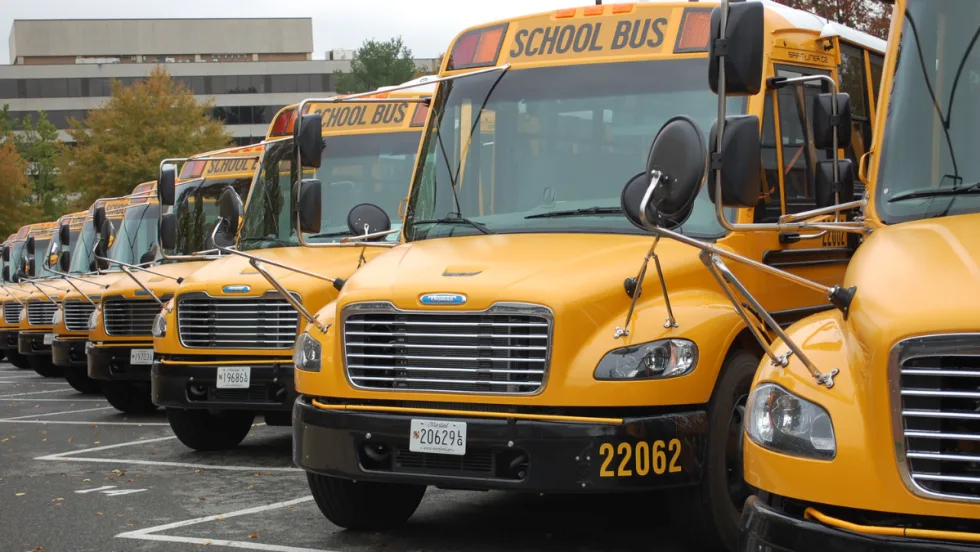
Fewer Electric School Bus Models Reshape the U.S. Market
WRI’s latest buyer’s guide points to a consolidating electric school bus market, but fewer options may reflect a maturing industry rather than fewer meaningful choices for school bus operators.
Read More →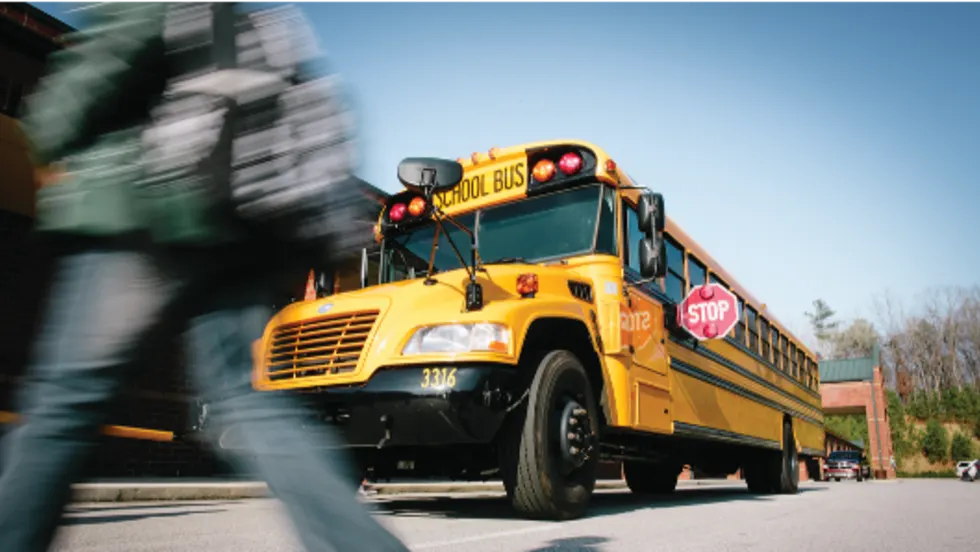
The Fuel Budget You Can Actually Predict: How Propane Autogas Keeps Money in the Classroom
Learn how propane autogas helps school districts manage fuel costs with predictable pricing, lower maintenance, and reduced emissions from former transportation director Joel Stutheit.
Read More →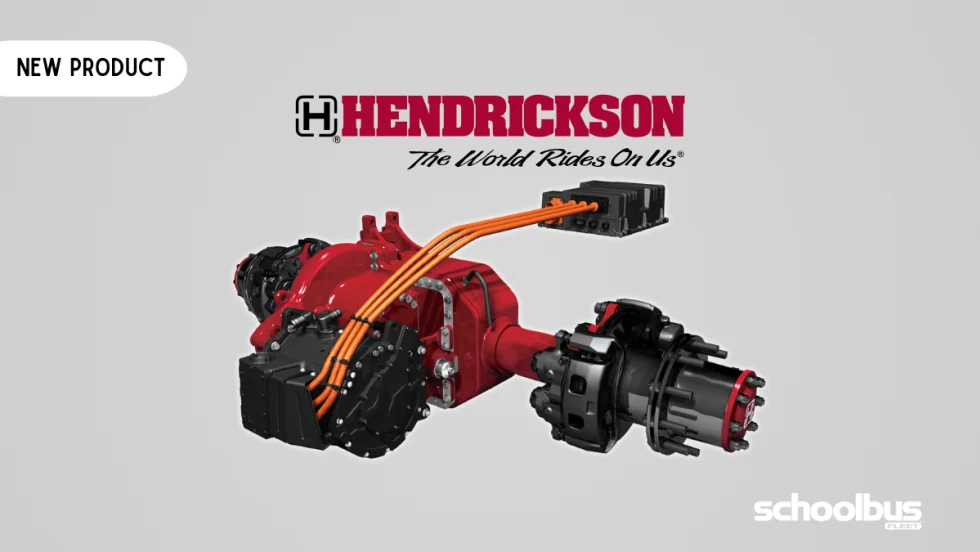
Hendrickson, Driventic Introduce New Electric Powertrain for School Buses
ELECTRAAX, the electrified, lightweight drive axle offers integrated ePowertrain efficiency and modular flexibility for Class 6–7 school bus use.
Read More →
The Mobility House Joins PowerFlex in Fleet Electrification Deal
The acquisition combines intelligent charging software, bidirectional charging expertise, and fleet electrification services to support the growing adoption of electric school buses across North America.
Read More →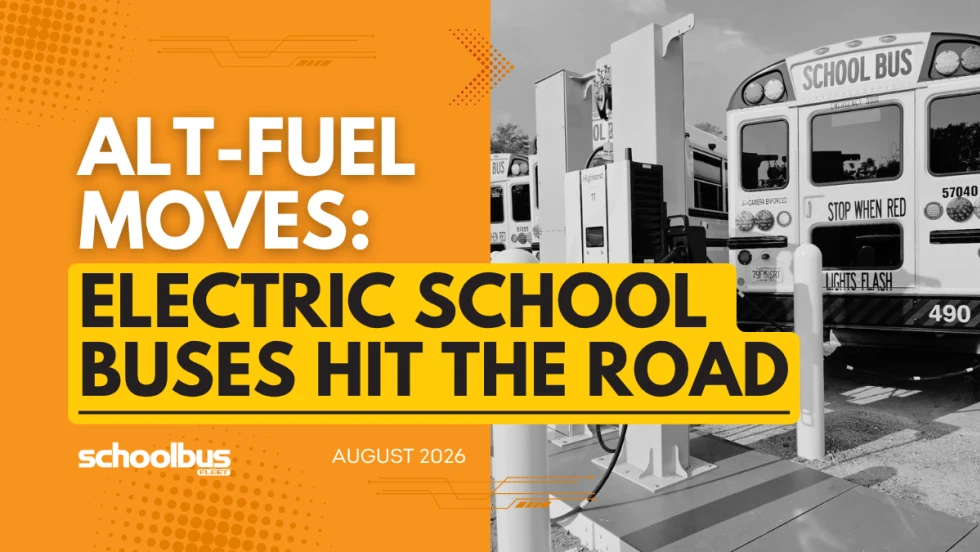
Alt-Fuel Moves: Electric School Bus Investments Hit the Road
See which districts across the U.S. are putting electric school buses into service, expanding charging infrastructure, and planning the next phase of fleet electrification.
Read More →
With Fuel Volatility Ahead, School Districts Turn to Propane
While diesel prices peaked above $5 this spring, districts with propane autogas-powered fleets paid under $2 per gallon, according to PERC.
Read More →
EPA Unveils Proposed Changes to 2027 Heavy-Duty Engine Rules
The federal agency has proposed changes to next year’s targets that would eliminate DEF derates, ease warranty requirements, and retain current NOx emissions standards.
Read More →
Alt-Fuel Moves: EV Charging & Infrastructure Projects Gain Momentum
The latest developments include new funding, charging infrastructure, utility investments, and fleet technologies designed to support the transition to electric school buses nationwide.
Read More →