




Differing perspectives provide better solutions
All of us involved in school transportation have passenger safety as our primary goal. At every school district, different groups can provide a wealth...
All of us involved in school transportation have passenger safety as our primary goal. At every school district, different groups can provide a wealth of knowledge in the area of safety, but, unfortunately, we don’t always tap these resources. Sitting behind a desk, I have a different perspective of school transportation safety than a driver sitting behind the wheel of a 78-passenger bus, or a parent anxiously watching his or her child climb the steps of the bus, or a mechanic installing new bushings in the crossing gate for the third time, or a dispatcher with 13 open routes to fill at 1:45 p.m. Although we all approach the safety of students from different perspectives, each of us can provide valuable input. I think we miss a great opportunity when we don’t invite all of the people I’ve mentioned, as well as school principals and law enforcement officials, to discuss school bus safety on a regular basis.
Meetings help build bridges
For the past six years Anoka-Hennepin School District #11 has held safety meetings the first Wednesday of each month during the school year. Approximately 25 people attend the meetings, which last about 2½ hours. The members of this group, called the Anoka-Hennepin School Bus Safety Committee, include transportation staff, principals, drivers (at least one from each bus company), law enforcement representatives and contractor representatives. Parents occasionally attend when they have pressing issues that need to be discussed. We began these meetings to better communicate to our bus drivers that we value their ideas and opinions. An important part of this meeting is our "Bus Driver of the Month" award. We solicit recommendations for this award from parents, school staff and bus companies (All of our 325 buses are operated by contractors.). Each winning driver receives a plaque that costs about $20. For this nominal fee, our drivers get the recognition they deserve. At the end of the year these drivers are collectively recognized by the school board. Our monthly discussion topics include current problems, school bus safety curriculum, discipline policies, incident reporting, bus stop safety and monthly accident reviews. Only bus drivers are allowed to vote on the preventability of accidents. We use these reviews as a teaching tool, and our bus companies do not consider them official determinations. When a school bus-related problem comes up, we have a forum to discuss and resolve it. When all of our members look at these issues, we come to better solutions.
Dialogues dissolve mistrust
Probably the biggest advantage to meeting regularly with our drivers, principals, company officials and parents is that over time we develop a level of partnership and trust. Drivers who are able to talk to principals don’t talk about them in the driver’s room and vice-versa. When district staff understand the problems of driver recruitment, they don’t chastise bus company managers for not filling routes with regular drivers every day. This type of interaction builds bridges of understanding and partnership. Why shouldn’t district staff and bus company staff work together? Doesn’t it make sense that principals and drivers learn more about each other’s jobs as they relate to safety? I challenge you to try harder to bring all of the people I mentioned together periodically to get to know each other. You may be pleasantly surprised that your job becomes easier instead of more difficult.
Author Chuck Holden is transportation director at Anoka-Hennepin School District in Minnesota.
More Safety
HopSkipDrive Reports Progress on Safety Advisory Council
More than a year after forming the council, independent safety experts have helped shape new rider-safety features and policy progress, with a new goal to address rider behavior.
Read More →
What the 2026 National School Bus Safety Month Resolution Means for Student Transportation
The bipartisan resolution highlights illegal school bus passing, student safety during loading and unloading, and the need for driver training and public education.
Read More →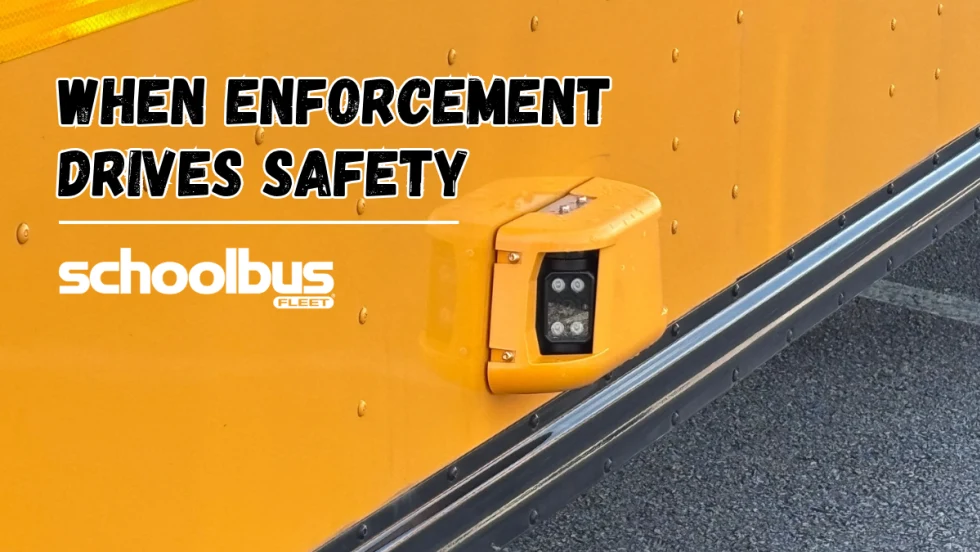
School Bus Stop-Arm Violations Decline 53% Across Verra Mobility Programs
Verra Mobility shares how school bus stop-arm cameras and school zone safety programs are changing driver behavior, reducing violations, and protecting students.
Read More →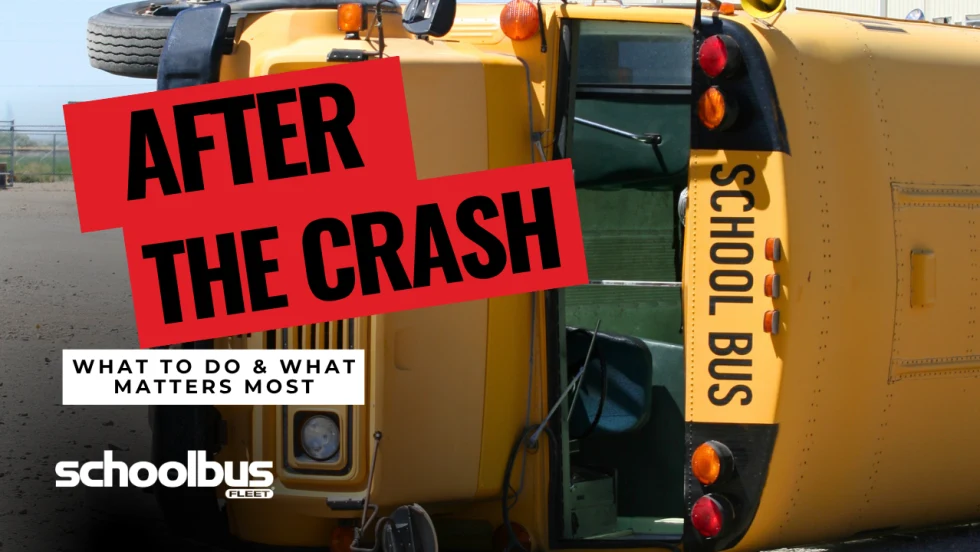
Most Bus Crashes Aren’t Your Fault. Here’s How to Prove It.
A guide for what to do in between a school bus crash and a claim: what to preserve, who to notify, and how to keep the facts available when they matter.
Read More →
National School Bus Safety Week 2026: Tips, Toolkits & Resources to Keep Students Safe
School bus safety takes more than awareness. Explore expert tips, enforcement strategies, and free resources to help protect students on every ride.
Read More →
2 Killed, Dozens Injured in Florida School Bus Crash
A multi-vehicle collision caused a Polk County school bus carrying 37 students to overturn on its way to Winter Haven High School.
Read More →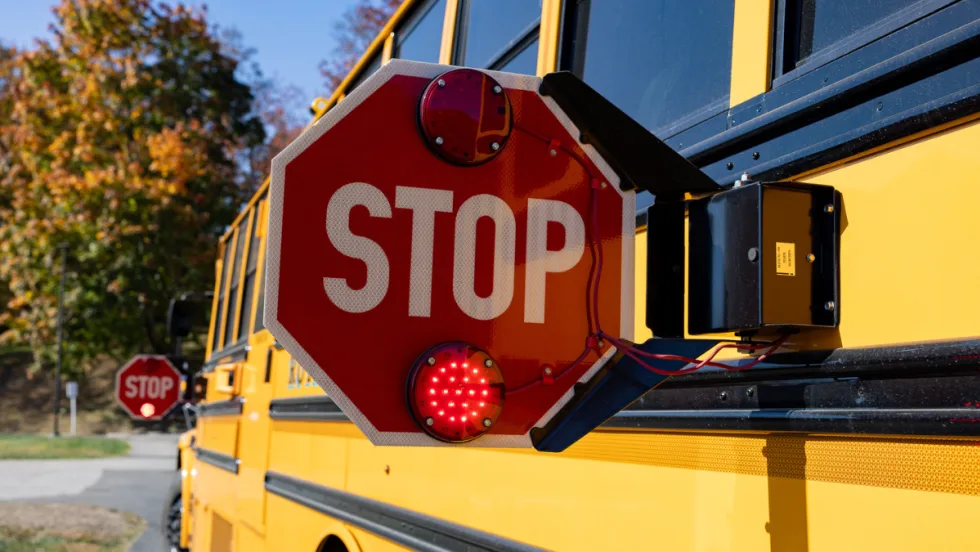
Illegal School Bus Passing Drops 24% in New York Districts
With fewer than 5% of citations involving repeat offenders, Westchester County officials said enforcement, education, and community partnerships are helping change driver behavior.
Read More →
School's Back. Here's What Happened to Traffic, Speeding & Distraction
What happens to traffic when school resumes? New data analysis examines changes in distracted driving, congestion, and speeding around schools.
Read More →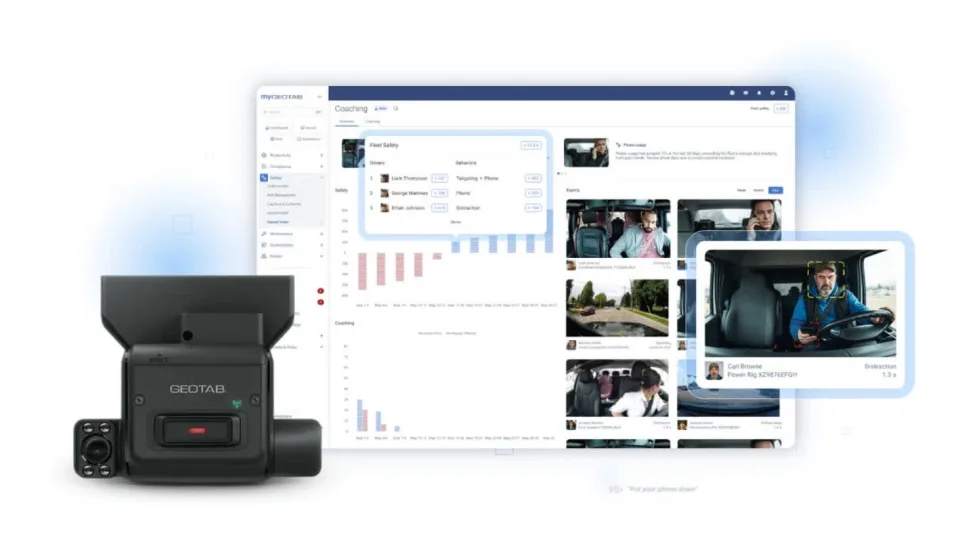
Geotab Expands Fleet Safety Tools With Video Coaching, Risk Insights
New safety and video capabilities aim to help fleet managers assess risk, support drivers, and take targeted action through video coaching, red-light violation detection, and more.
Read More →
How to Build a Better School Bus Driver Training Program
Is it time to strengthen your driver training? Here’s how to pick the right talent and improve recruitment, retention, and safety. This video is brought to you by IC Bus.
Read More →