




Diesel exhaust ‘study’ emits a barnyard odor
Those of you who know me are aware that I have a low tolerance for the manure of a certain farm animal. That’s why I’m so aggravated by a study that a...
Those of you who know me are aware that I have a low tolerance for the manure of a certain farm animal. That’s why I’m so aggravated by a study that asserts that dangerous levels of diesel exhaust fumes are present inside school buses (see Industry News). The study, called “No Breathing in the Aisles: Diesel Exhaust Inside School Buses,” was sponsored by the Natural Resources Defense Council and the Coalition for Clean Air, two environmental advocacy groups that are aggressive bashers of diesel fuel.
A self-fulfilling study
It’s painfully obvious to anyone who has objectively examined the study that it was designed to reach the very conclusion that it did: That diesel school buses spew carcinogenic exhaust into the atmosphere — as well as into their passenger compartments — and thus should be replaced by alternative-fuel buses, and as quickly as possible. Why is this obvious? The four buses chosen for the testing provide the first clue. The researchers contend that the vehicles are neither “very old or very new,” implying that they are typical school buses being operated today. However, two of them are 1986 models, one was manufactured in 1987 and the last one in 1988. Yes, many fleets, especially in California, operate some buses of this vintage, but I think in most other parts of the country these models are on the verge of retirement if they’re not already retired. The second clue is the lack of detail supplied about these buses. Except for an indirect reference to the model years, the study described the test vehicles only as “full-length, 50- to 66-passenger school bus[es].” It’s strange that the researchers revealed so little relevant information about their test vehicles. What about the engine models, odometer readings and the general condition of the exhaust systems? I could use the word “bogus” to describe this study, but that would be giving it too much credit. In fact, to refer to it as a “study” is to give it more credit than it deserves. As one of my friends in the school bus manufacturing sector so aptly put it, it’s a “political statement,” not a study. I wonder what would have happened if the results had not supported the premise. My guess is that the project would have been buried deeper than a prairie dog in a brush fire. Do you think the researchers involved in this project would have issued a paper called “Breathing Free in the Aisles: No Diesel Exhaust Inside School Buses”?
Issue deserves further study
Now, after ridiculing this study, I must confess that I think the issue of diesel exhaust inside school buses requires further examination. Just because this particular study was flawed doesn’t mean that the premise is equally flawed. What needs to be done is an objective study using a more representative slate of school buses. As you all know, diesel engine technology has advanced tremendously since the 1980s. Today’s electronic diesel engines are far more efficient than their predecessors, and further advancements are in the works. In the next five years, diesel-powered school buses will be required to run even cleaner than today’s models, and low-sulfur diesel fuel will be available to help reduce tailpipe emissions. Perhaps funding for an unbiased research program could be obtained through a grant from the U.S. Department of Transportation or the Environmental Protection Agency. The University of Michigan Transportation Research Institute might be a good candidate to design and conduct such a study. The results could help put to rest any lingering public concerns about the health risks of children riding in school buses.
More Alternative Fuels
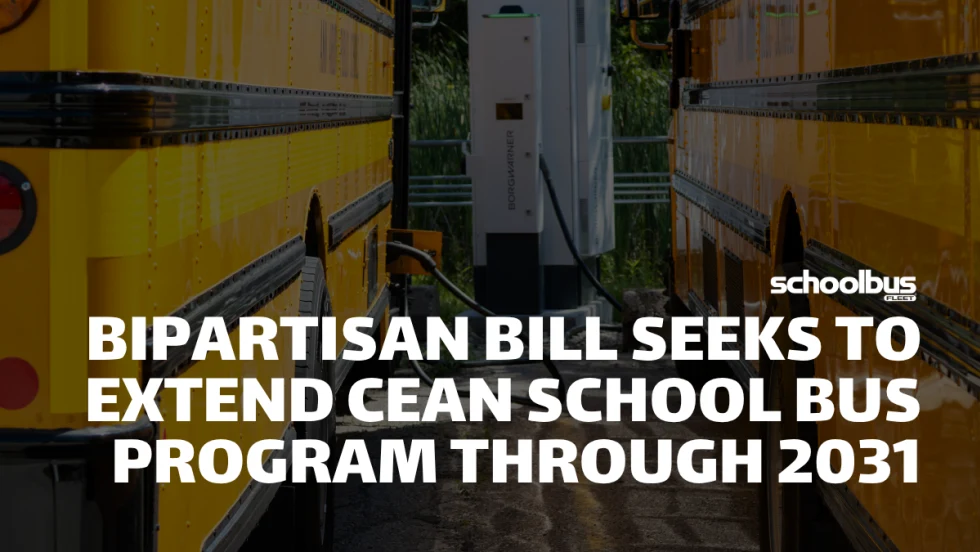
Bipartisan Bill Seeks to Extend Clean School Bus Program Through 2031
The proposed legislation would renew federal support for cleaner school buses as districts navigate funding uncertainty, rising fuel and infrastructure costs, and fleet replacement needs.
Read More →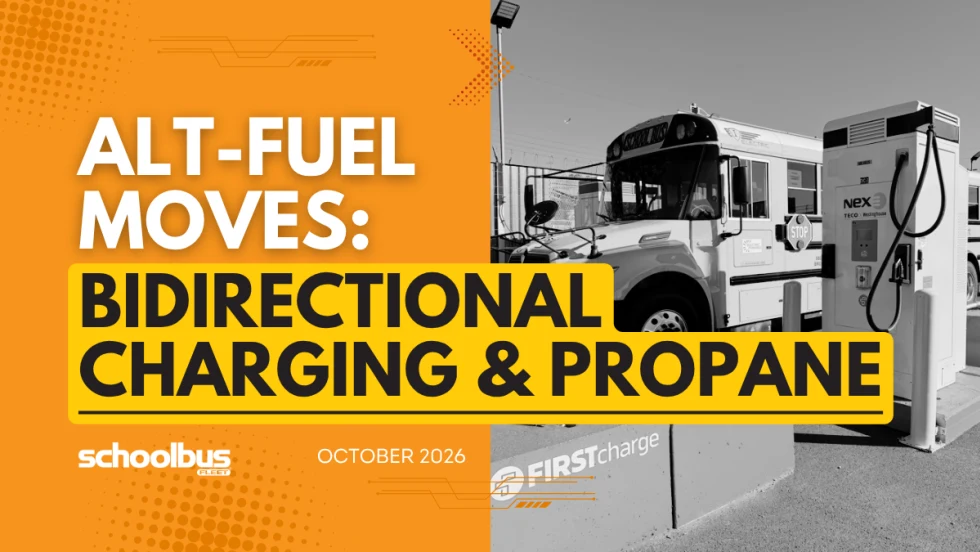
Alt-Fuel Moves: Electric Bus Rollouts, Bidirectional Charging & Propane Growth
See which fleets are adding electric and propane school buses as districts and operators invest in charging infrastructure, bidirectional technology, and alternative-fuel expansion.
Read More →
Nobody Told Diesel Prices They Were Supposed to Come Down
With diesel prices surging, school bus fleets have new reason to stress-test fuel costs, consider diversification, and calculate what each route really costs to operate.
Read More →
Why Gasoline School Buses Are Making a Comeback
Gasoline is gaining ground in full-size school buses. See how today’s options stack up against diesel on cost, maintenance, emissions, performance, and more.
Read More →
EPA Opens $180M DERA Funding Round for Diesel Upgrades
The 2026 Diesel Emissions Reduction Act program seeks applications from eligible organizations to accelerate the retirement of legacy diesel vehicles.
Read More →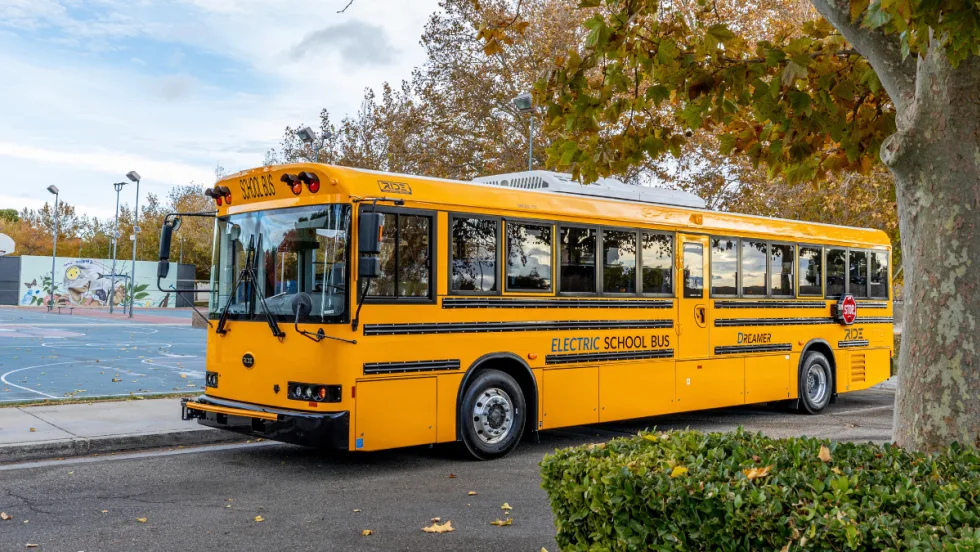
The Secret Life of an Electric School Bus Battery
Batteries change throughout years of daily routes, but degradation doesn’t necessarily mean the end. Here’s what operators should know about performance, safety, and second life.
Read More →
CALSTART and Forth Combine to Form Catalyst Mobility
The new name represents a renewed vision for the nonprofit focused on advancing clean, equitable, and affordable transportation solutions that move people and goods.
Read More →
Alt-Fuel Moves: New Buses, Charging Hubs & Real-World EV Testing
Propane and electric school bus deployments continue to grow as districts add new vehicles, expand charging infrastructure, and gather more real-world operating data.
Read More →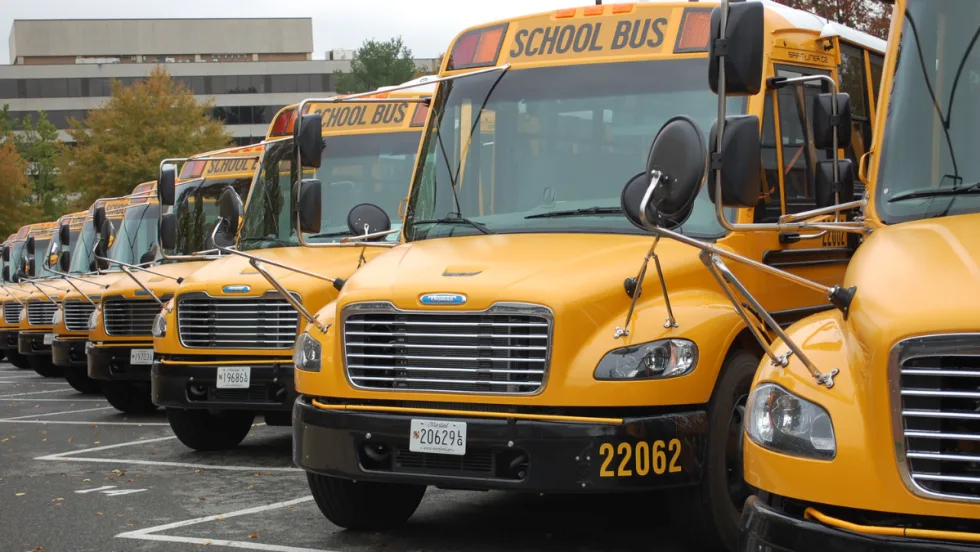
Fewer Electric School Bus Models Reshape the U.S. Market
WRI’s latest buyer’s guide points to a consolidating electric school bus market, but fewer options may reflect a maturing industry rather than fewer meaningful choices for school bus operators.
Read More →
The Fuel Budget You Can Actually Predict: How Propane Autogas Keeps Money in the Classroom
Learn how propane autogas helps school districts manage fuel costs with predictable pricing, lower maintenance, and reduced emissions from former transportation director Joel Stutheit.
Read More →