




Curtailing fly-bys requires media savvy
Our editors are getting reports throughout the country that traffic laws are being so routinely violated that they are undermining school bus safety. ...
Our editors are getting reports throughout the country that traffic laws are being so routinely violated that they are undermining school bus safety. This situation must change, and we all need to do more to make that happen. In this issue, Senior Editor Dale MacDiarmid reports that traffic laws requiring motorists to stop when a school bus' red lights are flashing and its stop arm is extended are virtually ignored in some parts of the country (see "Unsafe Passage: How to Curtail Illegal Pass-Bys"). In fact, in California, which began requiring school buses to flash their warning lights at every stop on Jan. 1, motorists can be seen passing school buses on any given day of the work week.
To date, there have been no serious statewide print or broadcast advertising campaigns to educate motorists about the new law. Sure, there have been articles published in local newspapers announcing the change, but we've seen few follow-ups to those initial stories. A California colleague of mine on this magazine found out about the new law at a PTA meeting only recently - six months after the start of the school year.
E-mail brings disturbing news
Executive Editor Steve Hirano recently solicited feedback on the new law's effects in an e-mail to members of the California Association of School Transportation Officials (CASTO). Some of the answers he received were pretty disturbing. "The general public is still not stopping for school buses, either during loading or unloading," said one CASTO member. "Most people still do not understand the law." Indeed. Another CASTO member reports that compliance with the law only runs at about 50 percent. In short, such ignorance of safety rules in the nation's largest state means that it's only a matter of time before real tragedies occur. Is the problem widespread? Our editors say it is a problem outside California as well. In one well-publicized study in Florida, more than 10,000 illegal passes of stopped school buses were recorded in a single day.
Here's what we can do
If compliance is strong in your area, you should be saluted. Yet we all know that traffic laws related to school buses can always be better enforced, regardless of compliance or accident rates. As Dale points out in his article, one of the most effective things that transportation managers can do is get the word out. Encourage local newspaper reporters to investigate the problem and the potential dangers. Invite them to go on some runs aboard your buses. Do the same thing with police. Local law enforcement agencies typically are happy to provide support to school districts. They often will provide extra patrols along school bus routes, which discourages motorists from ignoring the flashing red lights. And keep getting the word out. Just because you may have already passed out flyers at PTA meetings or to teachers to send home with their students, don't stop there. Do it again. Frequency is the key to any successful advertising or public relations campaign.
For our part, the editors at SCHOOL BUS FLEET are working with the editors at another Bobit publication, Police, to spread the word about the dangers of illegal passes to thousands of law enforcement agencies. We're also distributing a press release and Dale's article to print and broadcast outlets around the country. I know this sounds corny, but if we can prevent one child from being injured or killed by a passing motorist, we will consider all of our efforts to have been worthwhile.
More Safety

Sitestream, Safety Vision Partner with Connecticut City to Launch School Bus Stop-Arm Camera Program
The new enforcement initiative combines camera technology and violation management software to document illegal school bus passing, encourage driver compliance, and enhance student safety.
Read More →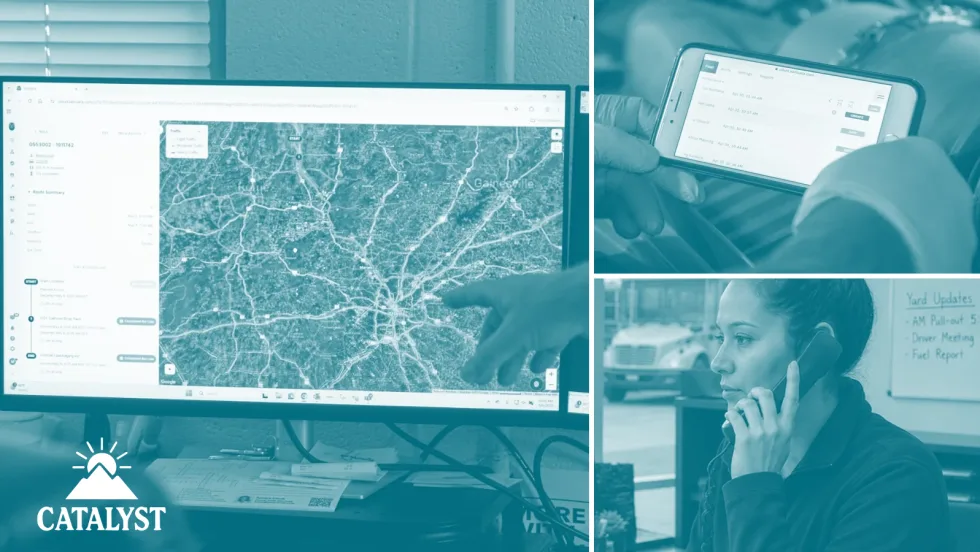
From Reactive to Proactive: Making Every Ride Visible
Smart technology only delivers its full value when it works together. See how Catalyst connects proven industry platforms to move student transportation from reactive to proactive.
Read More →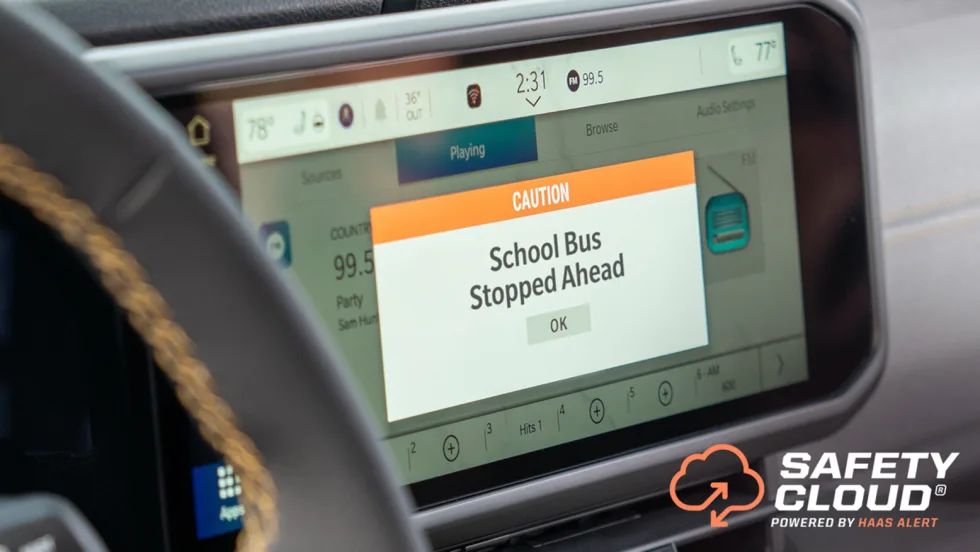
HAAS Alert’s Safety Cloud Warns Motorists of Stopped School Buses
Through a transponder or Samsara connection, the product lets school bus fleets send advance warnings to approaching drivers through in-vehicle alerts.
Read More →

HopSkipDrive Reports Progress on Safety Advisory Council
More than a year after forming the council, independent safety experts have helped shape new rider-safety features and policy progress, with a new goal to address rider behavior.
Read More →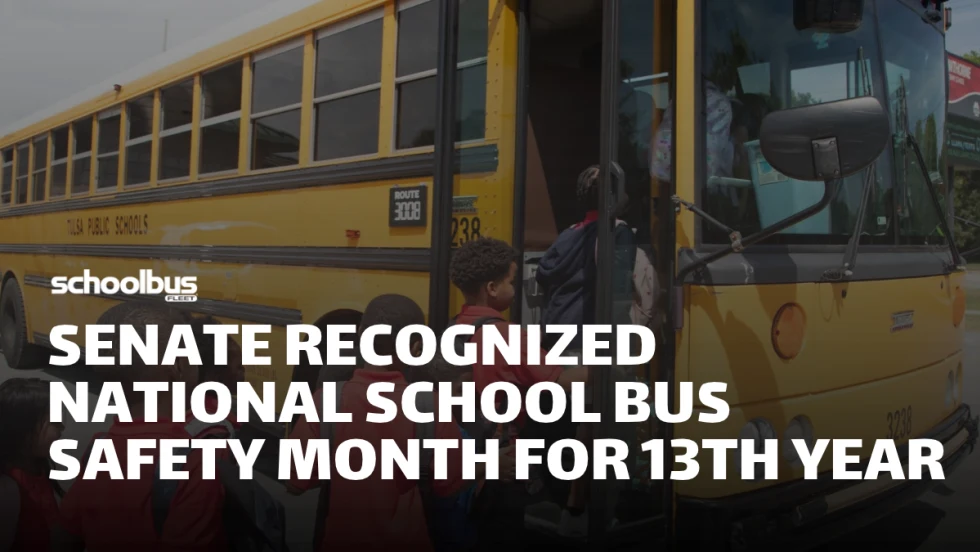
What the 2026 National School Bus Safety Month Resolution Means for Student Transportation
The bipartisan resolution highlights illegal school bus passing, student safety during loading and unloading, and the need for driver training and public education.
Read More →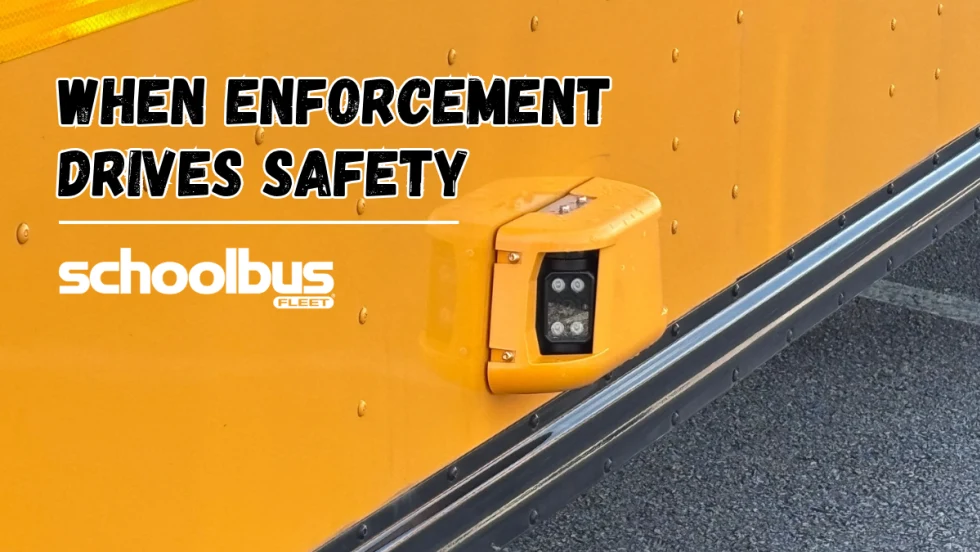
School Bus Stop-Arm Violations Decline 53% Across Verra Mobility Programs
Verra Mobility shares how school bus stop-arm cameras and school zone safety programs are changing driver behavior, reducing violations, and protecting students.
Read More →
Most Bus Crashes Aren’t Your Fault. Here’s How to Prove It.
A guide for what to do in between a school bus crash and a claim: what to preserve, who to notify, and how to keep the facts available when they matter.
Read More →
National School Bus Safety Week 2026: Tips, Toolkits & Resources to Keep Students Safe
School bus safety takes more than awareness. Explore expert tips, enforcement strategies, and free resources to help protect students on every ride.
Read More →
2 Killed, Dozens Injured in Florida School Bus Crash
A multi-vehicle collision caused a Polk County school bus carrying 37 students to overturn on its way to Winter Haven High School.
Read More →
Illegal School Bus Passing Drops 24% in New York Districts
With fewer than 5% of citations involving repeat offenders, Westchester County officials said enforcement, education, and community partnerships are helping change driver behavior.
Read More →