




Creating a Written Evacuation Plan
Drivers and aides need to work together to create a detailed, written evacuation plan for every route transporting children with disabilities. Plan fo...

Drivers and aides need to work together to create a detailed, written evacuation plan for every route transporting children with disabilities. Plan for at least two basic emergency scenarios: an engine fire and a fire at the rear of the bus. In addition to creating evacuation plans for front and rear fires, drivers and aides must also be prepared to handle other types of emergencies, such as an immersion, a rollover, or if the bus is in a dangerous position. To create a plan, first make a seating chart of your bus, indicating each exit and the assigned seat of each child on your route. Mark ambulatory children as “A,” children in wheelchairs as “WC,” and children in safety seats, vests or harnesses as “S.” Determine whether children in wheelchairs should be evacuated in their wheelchair or taken out of their wheelchair (consult the occupational therapist, nurse or parent). Indicate “IN” or “OUT” on the seating chart. Indicate which exits would be best for both emergency scenarios. Determine the quickest and most effective evacuation sequence for both scenarios and number students accordingly (1,2,3, etc.). Make sure to take into account potential “bottlenecks” at the emergency exit from children who take longer to get off the bus or wheelchairs partially blocking an exit. Source: PTSI’s Special-Needs Transportation Trainee Workbook. For more information, visit www.ptsi.org.
More Management

How to Build a Better Driver Training Program
Ready to boost up your school bus instructor training? Here’s how to pick the right talent and improve recruitment, retention, and safety.
Read More →
CALSTART and Forth Combine to Form Catalyst Mobility
The new name represents a renewed vision for the nonprofit focused on advancing clean, equitable, and affordable transportation solutions that move people and goods.
Read More →
What Makes a Great School Bus Driver Trainer?
Choosing the right school bus driver trainer takes more than experience. Learn six keys to selecting and developing trainers and evaluating program effectiveness.
Read More →

School Bus Contractors Expand Through New Deals, Acquisitions & Partnerships
STA's Canadian division acquires Ontario-based G&L Stevenson Transport while Durham School Services adds a new district contract in California, First Student adds a New Jersey contract, and Minnesota Coaches acquires Halo Transportation.
Read More →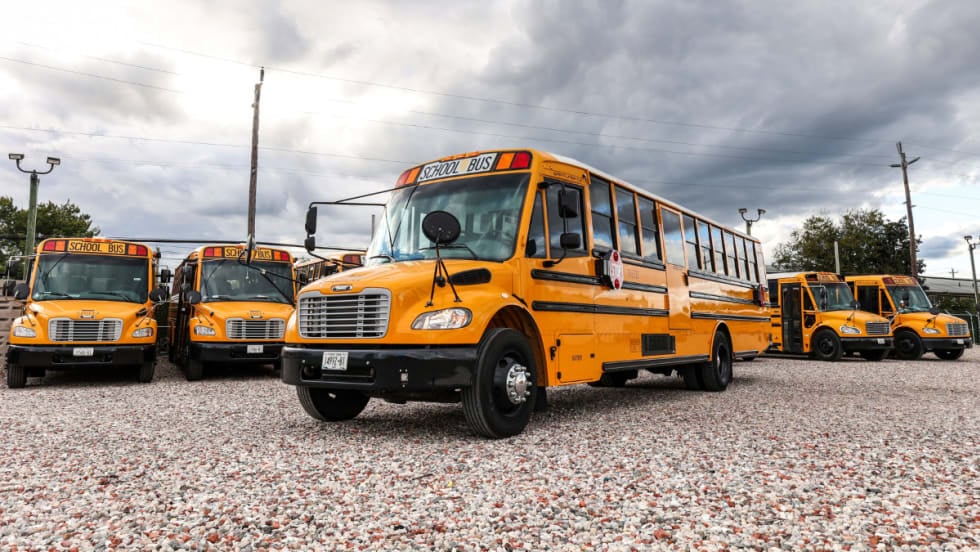
Logan Bus Company Rolls Out AI Phone System for NYC School Bus Families
A summer pilot found that AI agents could handle most routine calls, freeing up time for customer service staff to focus on emergencies and complex family concerns.
Read More →
From Intent to Impact: What I Learned About Leadership from TAPT
A Texas transportation supervisor shares lessons on self-awareness, accountability, managing stress and building trust — and why investing in leadership development matters at every stage of your career.
Read More →
NAPT Names 2026 Award Recipients, Hall of Fame Inductee
Who earned national recognition for their work in student transportation? This year, NAPT named five recipients of its 2026 awards for service, safety, and leadership, plus its newest Hall of Famer.
Read More →
2026 State of Student Transportation Report
Driver shortages. Rising costs. Growing safety expectations. More data, but not enough time to act on it. The 2026 State of Student Transportation Report reveals what transportation leaders say is putting the most pressure on their operations—and where they’re investing next. See how your priorities compare.
Read More →
How to De-Escalate an Angry Person: 5 Steps for Handling Workplace Conflict
What makes emotions run high, and how should you handle an angry colleague or parent? Follow these steps for staying calm, listening, showing empathy, and resolving conflict.
Read More →
What Readiness Looks Like This School Year
Learn about the challenges shaping the 2026–2027 school year, from persistent driver shortages and budget pressure to technology and readiness gaps. See how school districts are responding and adapting in Zonar’s 2026 Back-to-School Readiness Report.
Read More →