




Cooling System Maintenance
There are many cooling system problems and failures. Some due to defective equipment but most of these problems have occurred due to incorrect informa...

There are many cooling system problems and failures. Some due to defective equipment but most of these problems have occurred due to incorrect information and maintenance practices. The chart shown below is a listing of most common problems in today's cooling systems. Along with each problem is a description of how it occurs, how it affects your engine and, most importantly, how to prevent it. Note that rust can occur even in a chemically balanced cooling system. If you observe rust, check the oil cooler or other parts of the oiling system that can infiltrate the cooling system.
PROBLEM | CAUSES | AFFECTS | PREVENTION |
Rust * | Oxidation within the system. | Clog system. Accelerated wear. | Check the Supplemental Coolant Additive, (SCA) Adjust to specification. Prevents the oxidation for rust to occur. Check the lubrication system. |
Scale | Tap water contains salt minerals, especially calcium and magnesium. These minerals can solidify and adhere to hot metal surfaces. | Clog system passages. Reduces heat transfer rate causing hot spots. Results in uneven metal expansion, scuffing, scoring, accelerated ring wear and, possible, cracked heads or blocks. | The (SCA) Supplemental Coolant Additive keeps salt minerals in suspension. This helps to prevent the salt deposit from forming on metal surfaces. |
Acidity | Ethylene glycol antifreeze reacts with oxygen in the air and forms acid. A loose head gasket or other leakage can allow sulfuric acids formed by the burning of fuel to leak into cooling system. | Component metals corrode | The normal pH level should be 8.5 to 10.5. Adjust (SCA) Supplemental Additive. (SCA) neutralizes acids to prevent corrosion. |
Cavitation Cylinder | Engine vibration of the cylinder liner causes a momentary vacuum to form on its surface. As the coolant boils the vapor bubbles implode on unprotected liner surfaces. | Cause pits, which in time can blast holes through the liner and allow coolant to enter the combustion chamber or crankcase. | The Supplemental Coolant Additive (SCA) coats the liner to prevent the implosion from blasting holes through the metal. |
Foam | Foam - The aeration of coolant - occurs from air leakage into the system. | Foam does not pump to good. This adds to the cavitation problem, especially in the areas of water pump impellers. | A quality Supplemental Coolant Additive has an anti-foam agent to prevent formation of air bubbles. This foam prevention agent is effective at all temperatures, even during startup. |
Defective Water Pump Impellers | Flow rates and turbulence are high at the impeller blade. This causes cavitation. Possible abrasive particles could be present in the system. | Cause loss of pump efficiency and total pump failure. Overheating, engine and cooling system component failure. | The Supplemental Coolant Additives protect the impeller from cavitation erosion. A good filter holds particulate matter to reduce abrasive wear on cooling system components. |
Do it Right the First Time
Before you change your coolant you should thoroughly check the system. Start with a pressure test following manufacturers specifications for maximum pressure. Don’t over do it, a pound or two is acceptable. More pressure could damage the radiator core and welds, etc. Pressurizing the system will help to evaluate the system for leaks and hose condition. If you are not sure how to check hoses, go back to our archives at www.directbus.com If you have determined from the chart to replace the coolant be sure you flush the system thoroughly with a good brand cooling system flush. Make sure to flush with clean water to remove the flush chemical from the system. Some flush may not be compatible with the coolant. You would have removed the thermostat prior to flushing so now is a good time to replace the thermostat. Don’t forget to pressure check the radiator cap. Refilling the System
Refilling the system requires water. All water is not suitable for cooling systems, as some could have been softened by a chloride process or salt. Also high mineral content water cannot be made fit for the system. (Check with our engine manufacturer for their specifications on ppm of the following: Hardness, Chlorides, Sulfates and Dissolved Solids. However, even when refilling a system with the proper ratio of coolant and water, usually 50/50, you will still need to charge the system with the proper SCA (Supplement Coolant Additive). The supplement contains various inhibitors to fight the conditions in the above chart. How much SCA?
Standard rule is 4 ounces of liquid supplement to 1 gallon of coolant. Be sure to check the cooling system capacity to determine the ratio. What about Service?
SCA is depleted during protection of the cooling system metal components so the SCA must be replenished. This can be accomplished two ways. Service intervals to check and replenish with liquid SCA or Use a filter which contains SCA The latter is what is mostly suggested, as the filter will release the additive as the engine is running and cooling system is circulating. In any case the SCA should be check periodically to ensure protection.
More Maintenance

ASE Highlights School Bus Technician Certification Requirements
ASE is encouraging school bus maintenance professionals to maintain their certifications, highlighting seven specialized tests and five-year renewal requirements.
Read More →
International Adds E-Commerce Capabilities to Fleetrite.com
IC Bus customers can now browse, buy, and track shipments for more than 400,000 aftermarket parts online.
Read More →
The Most Expensive Thing You Do Before Selling a School Bus: Wait
When should you sell an aging school bus? Learn how maintenance, mileage, corrosion, specifications, and timing can affect resale value long before the auction.
Read More →
The Evolution of DEF Header Technology: What School Bus Operations Should Know at Replacement Time
See what school bus fleets should consider when replacing DEF headers to improve reliability, reduce repeat repairs, and control maintenance costs.
Read More →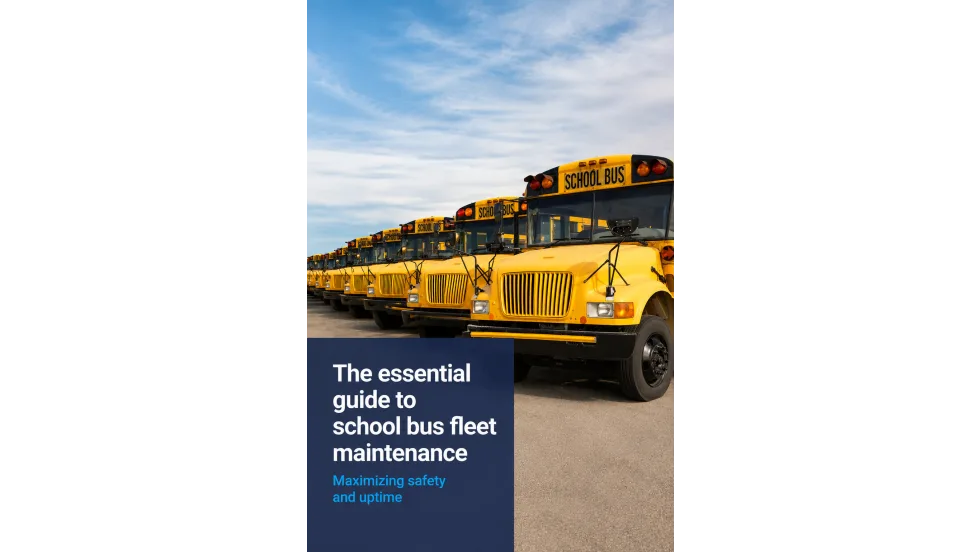
The Essential Guide to School Bus Maintenance and Student Safety
Your district's buses carry students to school every day. This guide shows how predictive maintenance powered by fleet data helps keep buses reliable, drivers accountable and students safer from the first bell to the last stop.
Read More →
Kerry Brothers Grows Michigan School Bus Repair Network
The acquisition of Downriver Truck and Bus expands Kerry Brothers’ school bus maintenance footprint across southeast Michigan, adding repair capacity, diagnostic resources, and state inspection support.
Read More →
Noregon Introduces CAN Bus Diagnostic Tool, Expands JPRO Features
CAN Mentor and the latest JPRO update aim to simplify vehicle network diagnostics and improve repair efficiency for technicians of all experience levels.
Read More →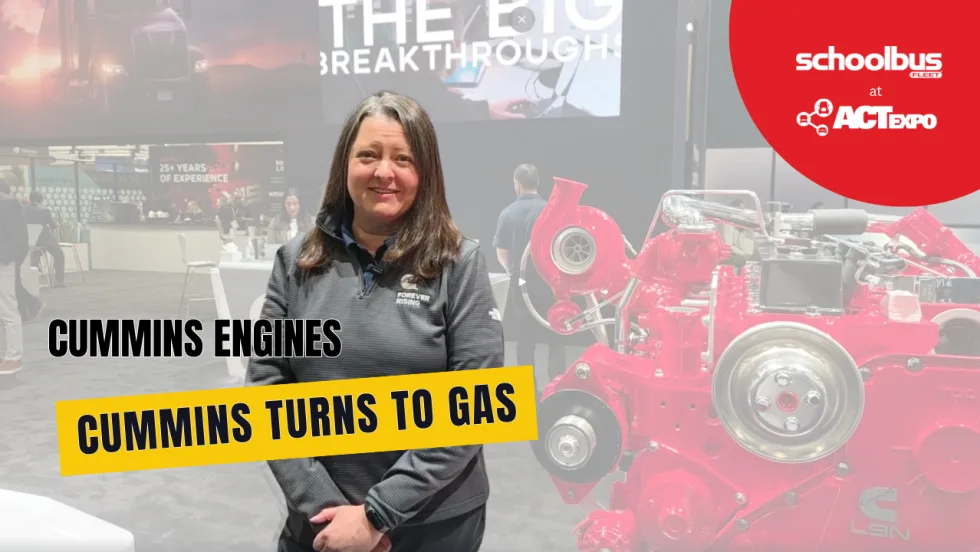
Cummins on Smarter, Simpler Engine Innovation
Cummins discusses its first-ever gasoline engine for school buses, EPA 2027, and why bus fleets still want durable, simpler internal combustion options.
Read More →
Report: 72% of Diesel School Buses Now Use Advanced Low-Emission Engines
New data shows advanced low-emission diesel technology continues expanding across school bus fleets, even as electric bus adoption gains momentum.
Read More →
Vampire Tools' CAIMAN 7.5-Inch Multi-Purpose Screw Extractor Long-Nose Pliers with Crimper
Vampire Tools introduced the VAMPLIERS Caiman 7.5-inch multi-purpose pliers, combining screw extraction, cutting, crimping, and gripping functions into a single tool designed for fleet maintenance professionals.
Read More →