




Can you spare some change?
Change is in the air in Washington, as you may have read in the
Change is in the air in Washington, as you may have read in the News & Views in this issue.
The question is: Is there any change (and I mean that in more than one sense) available for the nation’s venerable school bus system?
In a recent episode of the National Association for Pupil Transportation’s video blog, NAPTV, Executive Director Mike Martin asked Peter Mannella, an NAPT board member and executive director of the New York Association for Pupil Transportation, how he would define “change” at the federal level.
“In our own industry, I define ‘change’ as the federal government paying attention to school transportation,” Peter said. “I think there’s an opportunity there for us to present the school bus as a clean, green option for kids.”
Peter makes a great point. With a new administration in Washington, now is a vital time to reach out and promote our industry. And a key way to do this is through the American School Bus Council (ASBC).
The council strives to spread the word about the many benefits of pupil transportation. This has ranged from issuing insightful press releases to coordinating popular events like Love the Bus.
Being composed of all types of industry players — public and private transporters, manufacturers, state directors — part of ASBC’s mission is to “speak with one voice on Capitol Hill.”
Convincing evidence
ASBC recently released an analysis of U.S. pupil transportation in 2008. The findings are powerful, and they should send a clear message to anyone who fails to realize the importance of school buses. Here are some highlights:
36: the average number of cars that would be needed to transport students currently riding one school bus
17.3 million: the total number of cars that would be needed to transport students currently riding all school buses
822 million gallons per year: the total fuel used by school buses
$3.4 billion per year: the total cost of fuel used by school buses
3.1 billion gallons per year: the total fuel for cars replaced by school buses
$11.4 billion per year: the cost of fuel for cars replaced by school buses Can’t live without it
What all of this boils down to is that about $8 billion in fuel costs is saved in the U.S. by children riding school buses. Then there’s the savings in time and car wear-and-tear for parents, and the reduction of cars on the road. And, of course, students are far safer riding a school bus than they are traveling to and from school any other way.With the economy in dire conditions, state and local funding for pupil transportation could take big hits. But, as the numbers above show, the nation can’t afford to have its school bus system diminished.
If the Obama administration is looking for a solid investment for federal funds, it should target pupil transportation. That’s a change that’s long overdue.
More Safety
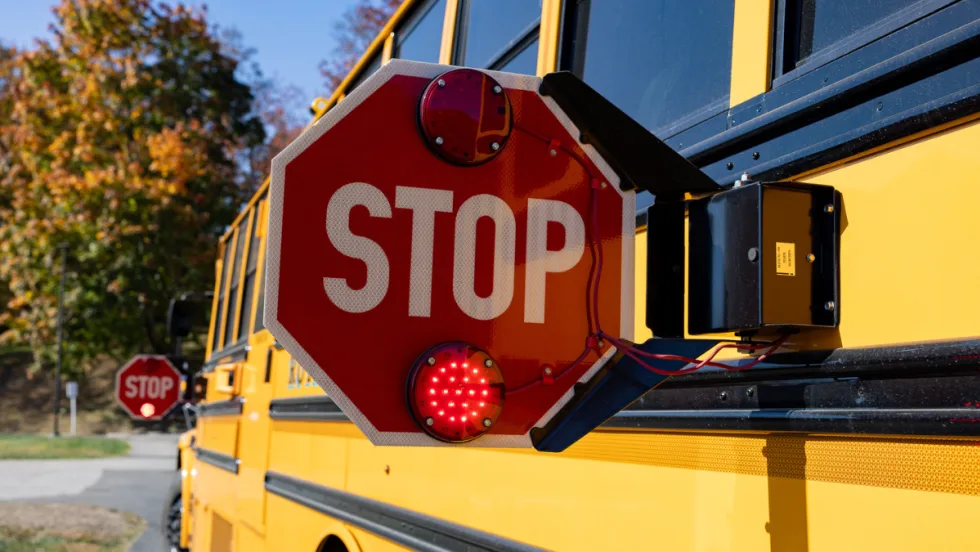
Illegal School Bus Passing Drops 24% in New York Districts
With fewer than 5% of citations involving repeat offenders, Westchester County officials said enforcement, education, and community partnerships are helping change driver behavior.
Read More →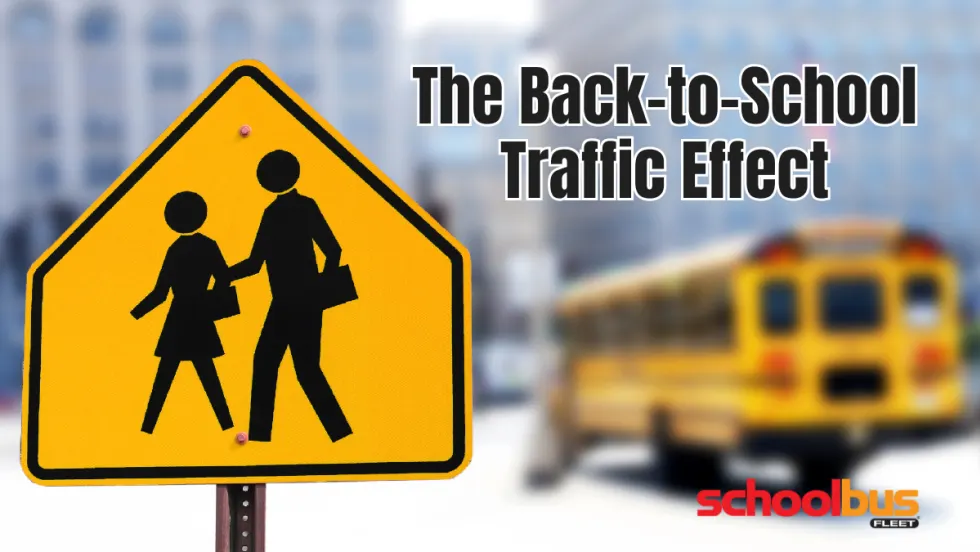
School's Back. Here's What Happened to Traffic, Speeding & Distraction
What happens to traffic when school resumes? New data analysis examines changes in distracted driving, congestion, and speeding around schools.
Read More →
Geotab Expands Fleet Safety Tools With Video Coaching, Risk Insights
New safety and video capabilities aim to help fleet managers assess risk, support drivers, and take targeted action through video coaching, red-light violation detection, and more.
Read More →

How to Build a Better School Bus Driver Training Program
Is it time to strengthen your driver training? Here’s how to pick the right talent and improve recruitment, retention, and safety. This video is brought to you by IC Bus.
Read More →
Recent School Bus Accidents Leave 2 Dead, 2 Injured
Four school bus crashes in Florida, Illinois, and Georgia highlight risks in transportation lots, at bus stops, and during student loading and unloading.
Read More →
When Every Second Matters, Clarity Keeps Routes Moving
From routine delays to urgent incidents, strong communication practices help drivers, dispatchers, schools, and families respond with confidence.
Read More →
What Happens When a School Bus Catches Fire — and What Can Help
School bus fires are rare but can be devastating. Learn how advances in fire suppression and asset protection help fleets detect fires earlier, reduce damage, and improve safety.
Read More →
Geotab Launches Tool to Help Fleets Investigate Road Incidents
Geotab Investigations combines telematics data, video, documents, and other evidence to help fleets reconstruct incidents, resolve claims, and determine what happened.
Read More →
Texas Sixth Grader Wins 2026 National School Bus Safety Poster Contest
Sai Darshana Yekolu of Moseley Middle School in Prosper, Texas, was named the newest winner for her artwork, bringing the theme of “Safe Rides, Everyday Heroes” to life.
Read More →
Doing More With Less: How Transportation Directors Can Prioritize Safety Amid Budget Uncertainty
With diesel prices soaring and nearly one-third of transportation directors expecting budget cuts, maintaining student safety has never been more challenging. Download this guide to learn how leading districts are prioritizing risk, funding critical safety technology, and building stronger budget cases with data.
Read More →