




Can all-electric bus go the distance?
GOLDEN, Colo. — As the major school bus OEMs work toward providing more hybrid and propane buses, a new player is looking to break into the market wit...

GOLDEN, Colo. — As the major school bus OEMs work toward providing more hybrid and propane buses, a new player is looking to break into the market with a different twist on alternative-fuel propulsion.
Proterra LLC is developing a school bus that is powered exclusively by an electric motor that runs on batteries and, consequently, puts out no emissions. While the vehicle is expected to cost around $225,000, the company says that fuel savings will help in defraying the premium.
“In the 12-year life of the bus, you’ll save a minimum of $20,000,” said Dale Hill, CEO of Proterra. He said that projection was calculated with diesel at $4.50 per gallon, a mark that the national average later exceeded.
Hill and his Proterra associates aren’t newcomers to bus development. In the late ’90s, they built a fleet of hybrid CNG-electric transit buses for Denver’s 16th Street Mall. Those 36 vehicles have now logged more than 3 million miles and carried more than 150 million passengers.
The Federal Transit Administration (FTA) later prompted Hill’s team to reconvene and develop “the bus of the future,” Hill said. The FTA funded the team’s development of a hybrid battery-fuel cell transit bus.
Proterra’s school bus uses the same basic design platform as the transit bus, but it is all-battery rather than a hybrid. And, of course, it will meet the Federal Motor Vehicle Safety Standards for school buses as well as the varying state specifications.
A key element of the bus’ design is a low floor, which could enable students who use wheelchairs to board via a flip-out ramp. Also, the bus is built with composite body technology, which Hill said reduces weight while providing high impact-resistance.
The batteries on the bus are charged by plugging into an electric grid, and they capture additional energy through regenerative braking. Proterra’s standard charger can provide a full charge in less than two hours; a larger unit can do the job in 10 minutes.
The company calculates the cost of a full charge (at a typical nighttime electricity rate) to be approximately $9.80. The bus can travel about 70 miles on one charge, Hill said.
The company expects to have the bus ready to hit the road by the end of this year. Then it will be put to the test at several school bus operations in California, Colorado, Pennsylvania and Florida.
Ralph Knight, director of transportation at Napa (Calif.) Valley Unified School District, has been giving input to Proterra throughout the development of the bus, and his district will take delivery of one of the first units.
“It’s really out of the box, as far as the school bus industry is concerned, but I think it’s a perfect place for it,” Knight said of the bus. “Dale has pieced together a beautiful drivetrain. He has an old conventional bus that they’ve put the system into and that they’re testing with, and the batteries are doing a tremendous job.”
Wayne Johnston, director of transportation at Springfield Township School District in Oreland, Pa., has also been working with Proterra on the bus. He hopes to procure as many as three of the electric buses next year. To him, the clean-air aspect is vital.
“Something’s happening,” Johnston said. “We’re seeing the environmental changes in my district — we don’t get as much snow as we used to. If [the bus] cuts out the environmental impact, I’m all for it.”
Although Hill realizes that the high purchase price of the bus may be “a bit of a stumbling block,” he said that Proterra will offer 12-year, no-money-down financing. Grants from environmental agencies may also help in acquiring the bus.
Hill is optimistic about the prospects for this audacious new school bus, but he acknowledges that it could be somewhat limited in its draw.
“Is it going to take over the whole market? No,” Hill said. “But in areas like the Los Angeles Basin, where the presence of asthma in schoolchildren is way above the national average, I think it’s going to be readily accepted.”
More Alternative Fuels
Alt-Fuel Moves: Electric Bus Rollouts, Bidirectional Charging & Propane Growth
See which fleets are adding electric and propane school buses as districts and operators invest in charging infrastructure, bidirectional technology, and alternative-fuel expansion.
Read More →
Nobody Told Diesel Prices They Were Supposed to Come Down
With diesel prices surging, school bus fleets have new reason to stress-test fuel costs, consider diversification, and calculate what each route really costs to operate.
Read More →
Why Gasoline School Buses Are Making a Comeback
Gasoline is gaining ground in full-size school buses. See how today’s options stack up against diesel on cost, maintenance, emissions, performance, and more.
Read More →
EPA Opens $180M DERA Funding Round for Diesel Upgrades
The 2026 Diesel Emissions Reduction Act program seeks applications from eligible organizations to accelerate the retirement of legacy diesel vehicles.
Read More →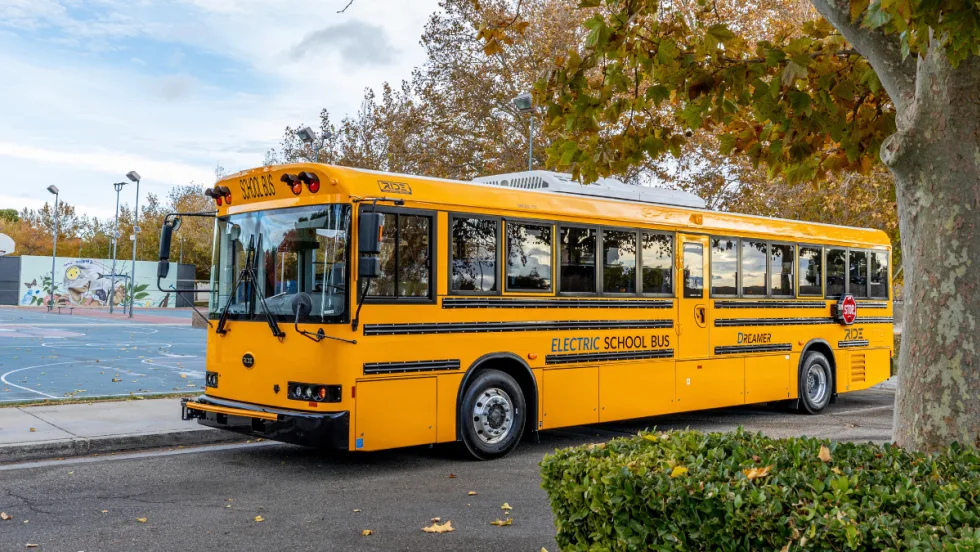
The Secret Life of an Electric School Bus Battery
Batteries change throughout years of daily routes, but degradation doesn’t necessarily mean the end. Here’s what operators should know about performance, safety, and second life.
Read More →
CALSTART and Forth Combine to Form Catalyst Mobility
The new name represents a renewed vision for the nonprofit focused on advancing clean, equitable, and affordable transportation solutions that move people and goods.
Read More →
Alt-Fuel Moves: New Buses, Charging Hubs & Real-World EV Testing
Propane and electric school bus deployments continue to grow as districts add new vehicles, expand charging infrastructure, and gather more real-world operating data.
Read More →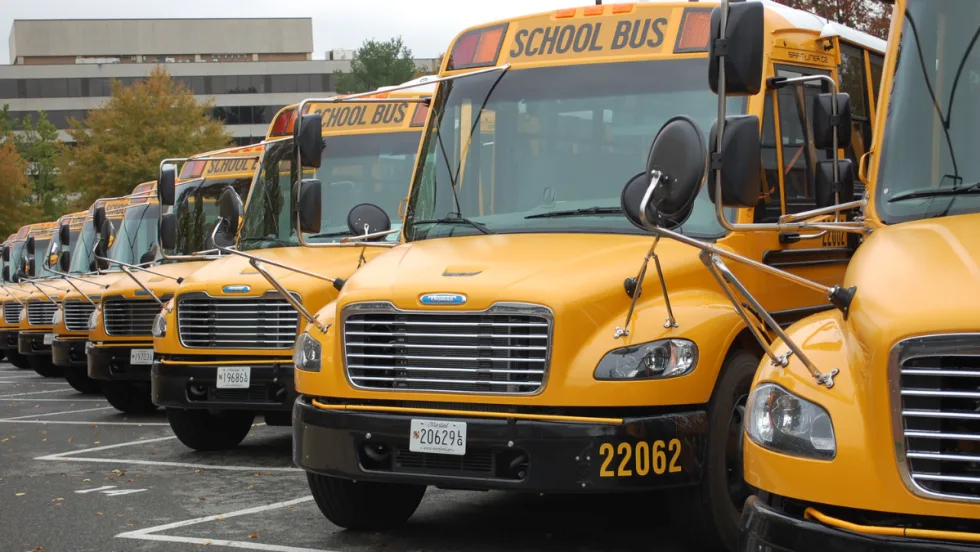
Fewer Electric School Bus Models Reshape the U.S. Market
WRI’s latest buyer’s guide points to a consolidating electric school bus market, but fewer options may reflect a maturing industry rather than fewer meaningful choices for school bus operators.
Read More →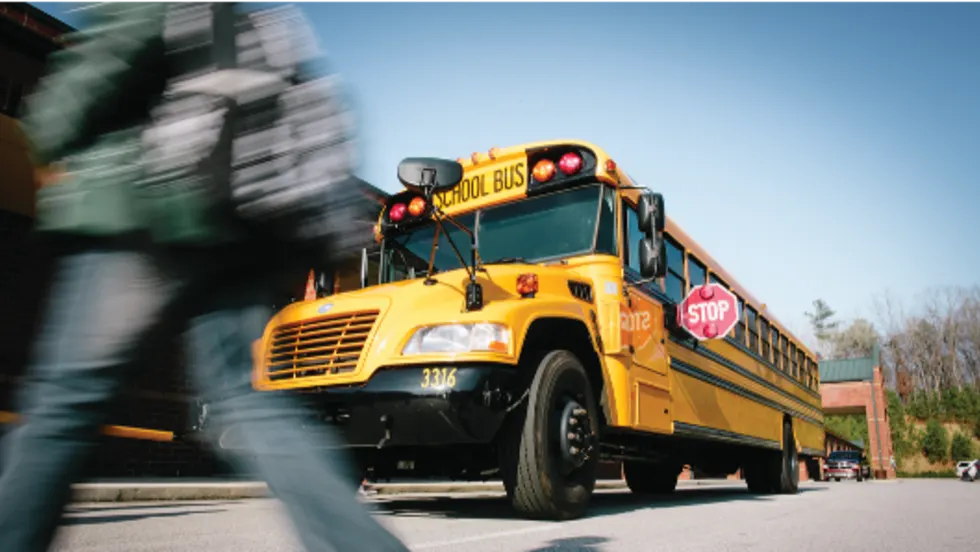
The Fuel Budget You Can Actually Predict: How Propane Autogas Keeps Money in the Classroom
Learn how propane autogas helps school districts manage fuel costs with predictable pricing, lower maintenance, and reduced emissions from former transportation director Joel Stutheit.
Read More →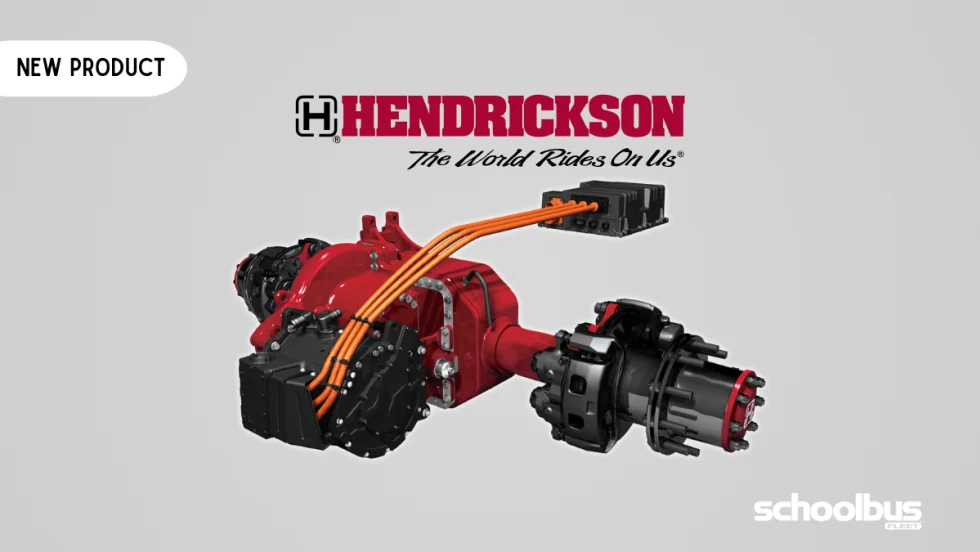
Hendrickson, Driventic Introduce New Electric Powertrain for School Buses
ELECTRAAX, the electrified, lightweight drive axle offers integrated ePowertrain efficiency and modular flexibility for Class 6–7 school bus use.
Read More →