




Buses, Bells and Budgets
As school districts wrestle with budget issues, transportation managers try to eke out every possible efficiency in their operations. For many years, ...
As school districts wrestle with budget issues, transportation managers try to eke out every possible efficiency in their operations. For many years, maximizing load factors and reducing deadhead mileage have been the methods of achieving efficiency through scheduling. But, just as we think we have refined our schedules to the finest degree, someone rears back and tosses us a curve: high schoolers need more sleep. Translation: Hey transportation managers, take high school students in later, but don't disrupt the lives of the rest of the world! Sleep theory supported
A growing number of school districts have been listening to the latest reports that adolescents need more sleep. Proponents of the sleep-later theory say significant improvements will be seen, socially and developmentally, if we simply allow our high schoolers to hit the snooze button a few more times. They will do better on tests, fall asleep less in school and be less prone to criminal and other detrimental activity after school since there will be less time at home unsupervised. Most high school students need 9½ hours of sleep. Their circadian rhythms (needs controlled by natural body rhythms that change throughout adolescence) cannot be artificially reset by enforcing early-to-bed policies. Nor can sleep needs be restored adequately by increased bed time over the weekend. Pilot project under way
The idea of setting high school bells with a later start was implemented in a small (6,500 students) school district in Edina, MN, beginning with the start of school in 1996. The Edina schools changed their high school bell times from 7:25 a.m. to 2:05 p.m. in 1995 to 8:35 a.m. to 3:15 p.m. Since then, the district has been receiving national attention and currently awaits statistical results from its efforts. Many other school systems have considered - or implemented - similar actions. As expected, not everyone is happy with the thought of these changes. Making high schools start later is usually at the expense of other grade levels. Elementary and/or middle schools may need to make changes in order to stay within the same expenditure levels. They may have to start school earlier or dismiss very late, an idea not popular with many parents and school staffs. Extra sleep, extra dollars
The problem for transportation managers lies in this question: What do you do with the rest of your schools - without tremendous budgetary increases or excessive adjustments to elementary or middle schedules? Most school districts in metropolitan areas operate buses on several routes, both morning and afternoon. These bus schedules are designed around interlocking bell times at different levels. The term interlocking is used because the order of morning and afternoon tiers is sometimes reversed due to differing lengths of school days at elementary and secondary levels. There are two factors that most affect the possibility of accommodating a schedule change for high schoolers. One is the length of the school day at elementary, middle and high schools, and the other is the number of trips made at each level. The first goal is to balance the needs of buses at each bell tier, so fleet utilization is maximized. In other words, if your buses typically do three or four trips both morning and afternoon, it is best if the needs for each bell tier be relatively equal. The window of operation is the amount of time between the opening of the first school in the morning and the opening of the last school in the morning. The afternoon window is based on the same principle. Knowing the length of your windows is important because it is the controlling factor in the amount of time buses have to complete runs and arrive at their last school on time. Students can arrive neither too early or too late in the mornings, and buses should be able to pick up students within a few minutes of the afternoon dismissal bell. When school start times are juggled, it often causes conflict in the afternoon schedule due to the interlocking issue noted above. The length of the school day can be altered or artificial delays instituted to resolve this conflict, which usually results in budget increases. Compression of the window in the afternoon sometimes results when start times are switched in the morning. This may cause late arrivals, thereby generating complaints. This is an important aspect to consider when proposing a new bell schedule, because it would not be desirable to devise a schedule that looked good on paper but didn't work behind the wheel. Transportation mangers are often the first to be asked about the feasibility of such debates due to the obvious links between buses, bells and budgets. They can assist school district decision-makers in considering impact to others by sharing the following list of potential issues: 1. Transportation budget 2. Day-care issues 3. Kindergarten and Head Start half-day programs 4. After-school interscholastic sports events 5. Before- and after-school darkness issues 6. School lunch impact 7. Breakfast program impact 8. Community use of school buildings 9. Contractual agreements for teachers 10. Contractual agreements for school support staff 11. Crime statistics for after-school hours for adolescents One final note
Henrico County, VA, in the Richmond area has had a reversed schedule for many years, with elementary starting first, followed by middle and high schools. An attempt was made a few years ago to bring their schedule in line with that of most of the neighboring areas by reversing the order of bell times. A tremendous public outcry ensued. Interestingly, all the same arguments involving a change in the opposite direction were stated by those expressing concern, only in reverse. "I leave for work at 6 a.m. and if my high schooler isn't here, my second grader won't have day care." The initiative to change was quickly dropped. John L. Matthews is transportation specialist at Montgomery County Public Schools in Rockville, Md.
More Management
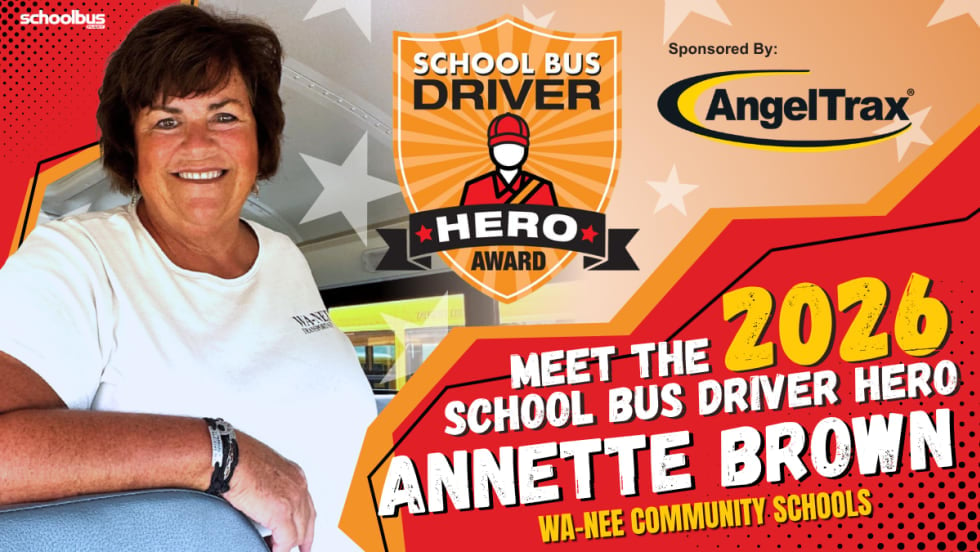
Annette Brown Always Takes the Extra Time: Meet Our 2026 School Bus Driver Hero
For more than 30 years, the Wa-Nee Community Schools driver has treated students like family, combining safety, compassion, and servant leadership to make a lasting difference on and beyond the school bus.
Read More →
How to Build a Better Driver Training Program
Ready to boost up your school bus instructor training? Here’s how to pick the right talent and improve recruitment, retention, and safety.
Read More →
CALSTART and Forth Combine to Form Catalyst Mobility
The new name represents a renewed vision for the nonprofit focused on advancing clean, equitable, and affordable transportation solutions that move people and goods.
Read More →

What Makes a Great School Bus Driver Trainer?
Choosing the right school bus driver trainer takes more than experience. Learn six keys to selecting and developing trainers and evaluating program effectiveness.
Read More →
School Bus Contractors Expand Through New Deals, Acquisitions & Partnerships
STA's Canadian division acquires Ontario-based G&L Stevenson Transport; Durham School Services adds a new district in California; First Student expands in New Jersey; and Minnesota Coaches rebrands and acquires Halo Transportation.
Read More →
Logan Bus Company Rolls Out AI Phone System for NYC School Bus Families
A summer pilot found that AI agents could handle most routine calls, freeing up time for customer service staff to focus on emergencies and complex family concerns.
Read More →
From Intent to Impact: What I Learned About Leadership from TAPT
A Texas transportation supervisor shares lessons on self-awareness, accountability, managing stress and building trust — and why investing in leadership development matters at every stage of your career.
Read More →
NAPT Names 2026 Award Recipients, Hall of Fame Inductee
Who earned national recognition for their work in student transportation? This year, NAPT named five recipients of its 2026 awards for service, safety, and leadership, plus its newest Hall of Famer.
Read More →
2026 State of Student Transportation Report
Driver shortages. Rising costs. Growing safety expectations. More data, but not enough time to act on it. The 2026 State of Student Transportation Report reveals what transportation leaders say is putting the most pressure on their operations—and where they’re investing next. See how your priorities compare.
Read More →
How to De-Escalate an Angry Person: 5 Steps for Handling Workplace Conflict
What makes emotions run high, and how should you handle an angry colleague or parent? Follow these steps for staying calm, listening, showing empathy, and resolving conflict.
Read More →