




Bragging rights
I recently got an e-mail from a Los Angeles-based reporter for the British Broadcasting Corporation (BBC) asking for input for a story she was prepari...
I recently got an e-mail from a Los Angeles-based reporter for the British Broadcasting Corporation (BBC) asking for input for a story she was preparing for the network’s Website. She was on deadline, of course, and needed the information right away (a scenario I’m intimately familiar with).
But it was after 5 p.m., and I was ready to head home. I quickly surveyed her questions and, feeling empathy for her plight, decided to bang out a quick response. Here’s what she wanted to know:
What is so unique about the U.S. school bus system?
Why has it been so successful?
Could it offer a model to other countries?
Are all the buses yellow here? If so, why?
Are there unique elements to the system here in Los Angeles — any particular problems, e.g., the sheer volume of traffic and the possible security implications inherent in a large metropolitan area?
Coming up with easy answers
As you might expect, it wasn’t hard to answer her questions. In fact, I was happy to give her a summary of why the U.S. school bus system is so successful. It was a nice break from the usual questions I get from reporters, such as, “There was a bus crash here and some children were hurt. Why don’t school buses have seat belts?” or, “Do you happen to know how many children have been left on buses in the past year?”Gratified that I could frame our transportation system in a positive light, here’s what I wrote to her:
Few things work as well as the U.S. school bus transportation system. It’s a cost-effective but highly safe method of shuttling more than 25 million children to and from school each day.
The U.S. school bus, which is yellow because of the color’s high visibility, has become an American icon because of its unmatched safety record. Based on fatality data collected by the federal government, school buses are the safest form of surface transportation. On average, fewer than 10 children die in school bus crashes each year. This is due in part to the safety of the vehicles themselves. They’re required to meet demanding federal safety standards involving body and chassis construction, mirror performance and exterior safety devices such as stop arms and warning light systems for other motorists.
Also, training and certification standards for the nation’s approximately 450,000 bus drivers are high. They have to obtain a commercial driver’s license with a passenger endorsement and pass school bus-specific driving tests. They also face drug and alcohol testing and criminal background checks. Their contribution to the overall safety of school bus transportation should not be underestimated.
According to our statistics, Los Angeles Unified School District transports 82,700 children using more than 2,100 buses. There are dozens of other school districts in the metropolitan Los Angeles area that also transport students on school buses.
Yes, traffic is a huge challenge for school buses, just as it is for other motorists. Maneuvering a 40-foot vehicle through tight traffic is an incredible feat, but school bus drivers are accustomed to handling traffic congestion even as they’re monitoring the behavior of 70 children in their rear-view mirrors.
I certainly think the U.S. version of school transportation would be a fantastic model for other countries around the world. Many American parents take school bus transportation for granted, mainly because it has always worked so well.
Looking from the outside
I don’t think there’s anything in my response that’s a surprise to you. But, like parents whose children ride our school buses, we often take for granted the success of the system. When we look at our system from the outside, it makes you appreciate how well it works, doesn’t it?
More Safety
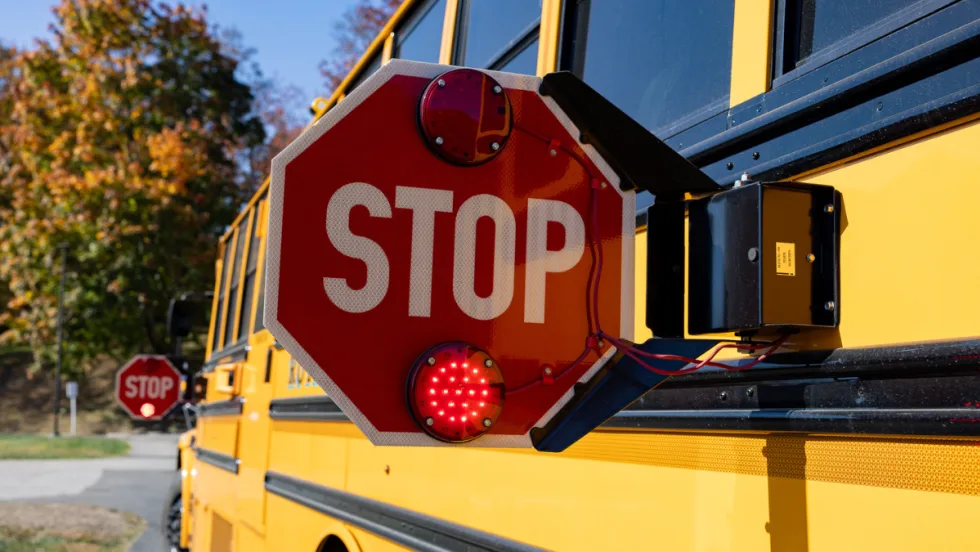
Illegal School Bus Passing Drops 24% in New York Districts
With fewer than 5% of citations involving repeat offenders, Westchester County officials said enforcement, education, and community partnerships are helping change driver behavior.
Read More →
School's Back. Here's What Happened to Traffic, Speeding & Distraction
What happens to traffic when school resumes? New data analysis examines changes in distracted driving, congestion, and speeding around schools.
Read More →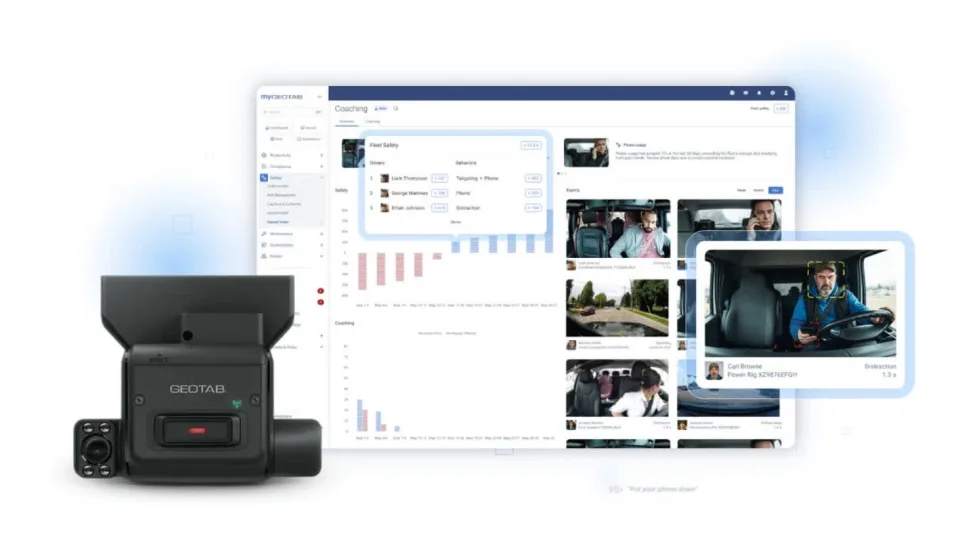
Geotab Expands Fleet Safety Tools With Video Coaching, Risk Insights
New safety and video capabilities aim to help fleet managers assess risk, support drivers, and take targeted action through video coaching, red-light violation detection, and more.
Read More →

How to Build a Better School Bus Driver Training Program
Is it time to strengthen your driver training? Here’s how to pick the right talent and improve recruitment, retention, and safety. This video is brought to you by IC Bus.
Read More →
Recent School Bus Accidents Leave 2 Dead, 2 Injured
Four school bus crashes in Florida, Illinois, and Georgia highlight risks in transportation lots, at bus stops, and during student loading and unloading.
Read More →
When Every Second Matters, Clarity Keeps Routes Moving
From routine delays to urgent incidents, strong communication practices help drivers, dispatchers, schools, and families respond with confidence.
Read More →
What Happens When a School Bus Catches Fire — and What Can Help
School bus fires are rare but can be devastating. Learn how advances in fire suppression and asset protection help fleets detect fires earlier, reduce damage, and improve safety.
Read More →
Geotab Launches Tool to Help Fleets Investigate Road Incidents
Geotab Investigations combines telematics data, video, documents, and other evidence to help fleets reconstruct incidents, resolve claims, and determine what happened.
Read More →
Texas Sixth Grader Wins 2026 National School Bus Safety Poster Contest
Sai Darshana Yekolu of Moseley Middle School in Prosper, Texas, was named the newest winner for her artwork, bringing the theme of “Safe Rides, Everyday Heroes” to life.
Read More →
Doing More With Less: How Transportation Directors Can Prioritize Safety Amid Budget Uncertainty
With diesel prices soaring and nearly one-third of transportation directors expecting budget cuts, maintaining student safety has never been more challenging. Download this guide to learn how leading districts are prioritizing risk, funding critical safety technology, and building stronger budget cases with data.
Read More →