




Bolstering specialized training for school bus drivers
More districts are including cross training among drivers of both general-education and special-needs students. This will enable them to step into a different bus situation and transport all students in their care safely.

Cheryl Wolf is a special-needs transportation consultant based in Lafayette, Indiana. She is also a member of School Bus Fleet’s editorial advisory board. She can be reached at cwolf22@comcast.net.
It takes well-trained school bus drivers and attendants to transport students with disabilities safely. Unfortunately, not every trained driver is qualified to transport our most vulnerable population.
Because of the shortage of school bus drivers across the nation, the newly trained driver may go directly to a route that has students with special needs on it without any specialized training to take care of those needs — in many instances not even knowing what those needs might be.
Drivers and attendants responsible for transporting children with disabilities have many challenges in transporting this population. The number of students with special needs requiring specialized transportation continues to grow, requiring more drivers and attendants with proper training to better serve these students.
The state of Indiana has added a special-needs component to the annual safety meeting. That meeting is required for certification or re-certification of Indiana school bus drivers. The special-needs component is not mandatory; however, any school bus driver who takes it and passes the quiz will have a special-needs endorsement on his or her certification card.
The program is varied every year to keep it fresh and timely. A hands-on component is added to test drivers’ and attendants’ proficiency in specialized skills.
The training includes an overview of special-needs transportation, which includes federal and state laws, confidentiality and the areas of disabilities.
When driving and transporting preschool-age children, drivers and attendants must be well versed in child safety restraint systems on the school bus. This includes loading, securing wheelchairs and unloading students safely.
All drivers and attendants are trained in how to properly deal with challenging behaviors, such as bullying and harassment of students while on the bus. They are also drilled in the proper evacuation of the bus in case of emergency. Drills are performed with students on the bus so both personnel and students know what to expect of one another in case of an emergency.
There are other specialized areas of training necessary to accommodate students’ individualized transportation plans, such as use of a service animal, training for medical issues (including ventilator and oxygen equipment) and how to respond in the event of a seizure.
Due to a shortage of properly trained drivers, more and more districts are including cross training among drivers of both general-education students and special-needs students. This will enable them to step into a different bus situation and transport all students in their care safely. It will also save districts time and money by preparing drivers for that inevitable student with a disability.
Transportation is recognized as one viable option for integration of children with and without disabilities in a nonacademic setting. However, the locations of special-education and related-service programs and the severity of a student’s disability are crucial factors in determining the type of transportation provided.
More Special Needs Transportation
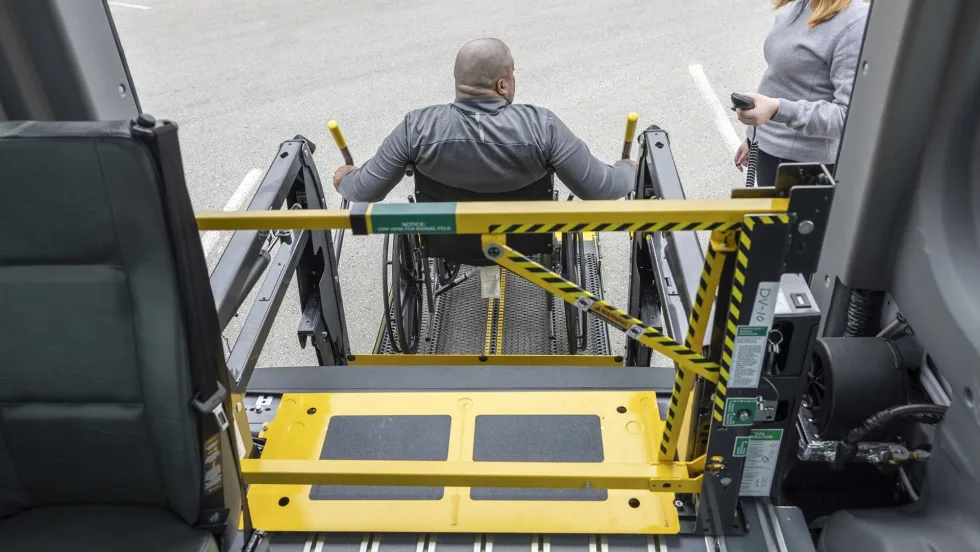
BraunAbility Introduces New Safety Barrier for Wheelchair Lifts
LiftSentinel is designed to add another layer of protection during wheelchair loading and unloading and can be retrofitted to many existing commercial lift installations.
Read More →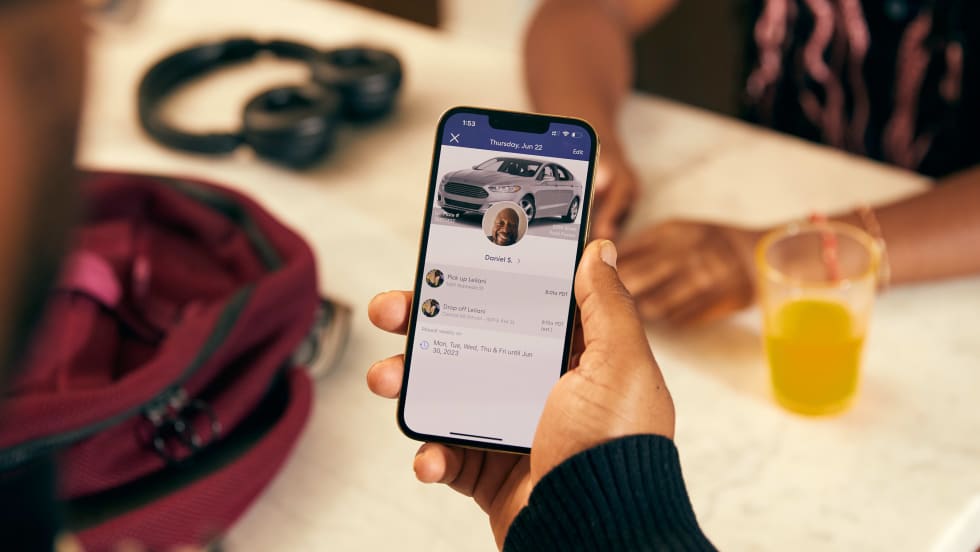
HopSkipDrive Launches New Safety, Driver Consistency Features for 2026-27 School Year
The company’s free ride recording, live ride tracking, and consistent driver assignments aim to improve safety and continuity for diverse student transportation needs.
Read More →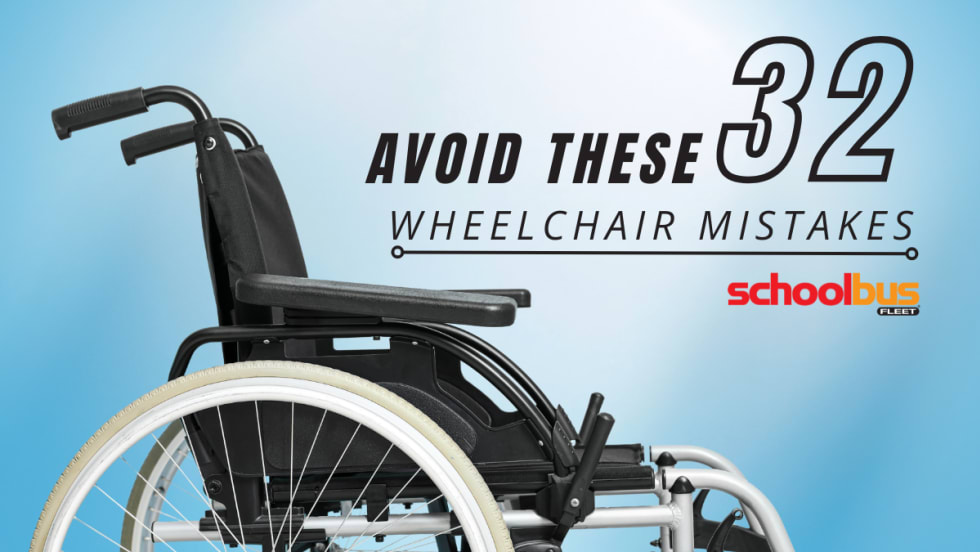
The Most Common Wheelchair Securement Mistakes on School Buses (and How to Fix Them)
Small missteps in wheelchair securement can have serious consequences. Here are 32 tips from experts to reduce risk and increase student safety on the bus.
Read More →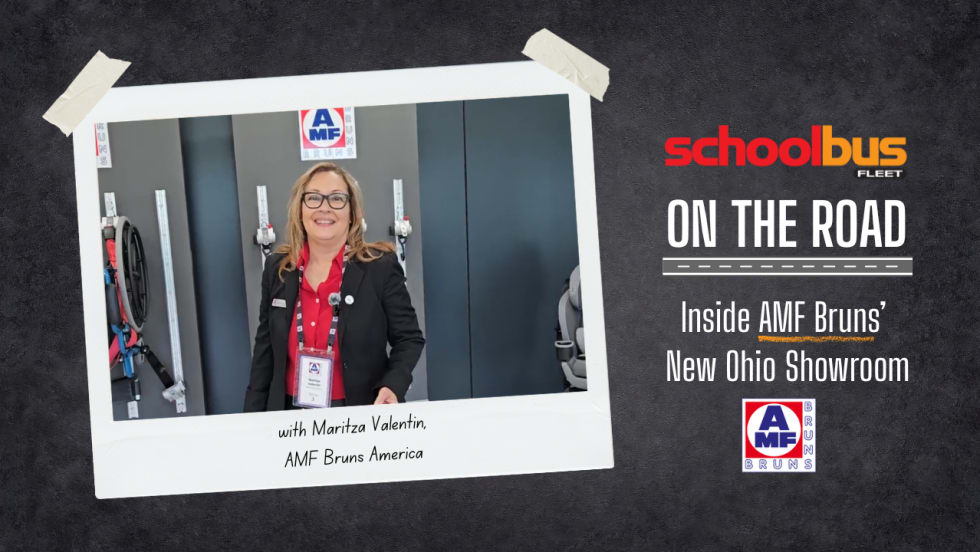
Inside AMF Bruns’ New Showroom: School Bus Securement Solutions Explained
Go inside AMF Bruns America’s new Ohio showroom with Maritza Valentin to see its FutureSafe technology, driver training tools, securement systems, and seating innovations.
Read More →
What AMF Bruns’ New Facility Means for Customers [Video]
Inside AMF Bruns’ new Stow, Ohio, operations: See how expanded space and innovation will enhance customer support and operations.
Read More →
AMF Bruns Expands in Ohio, Investing in Growth and Community
With expanded production space, local investment, and a growing workforce, AMF Bruns is scaling its U.S. presence. Here’s an exclusive first look inside the new Stow, Ohio, HQ.
Read More →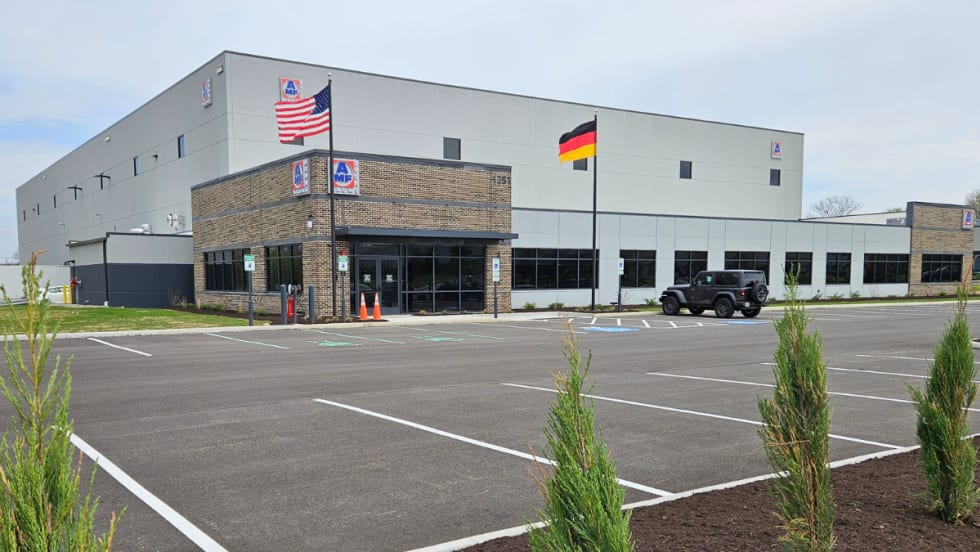
Inside AMF Bruns of America’s New Ohio Manufacturing Facility [Photos]
Take a behind-the-scenes look at AMF Bruns of America’s new 41,000-square-foot Stow, Ohio, headquarters, featuring advanced manufacturing, expanded space, and future-ready mobility solutions.
Read More →
First Student Boosts Student Support in Wichita & Texas
First Student and Wichita Public Schools are using behavioral support strategies to improve student ride experiences, while a separate initiative expands access to after-school programs through a bus donation.
Read More →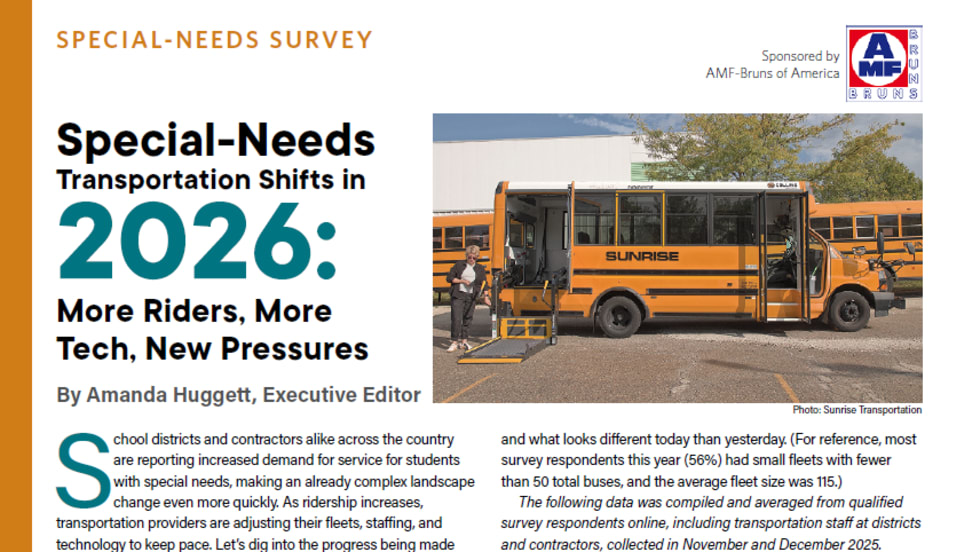
2026 Special-Needs Transportation Survey
What’s changing in special-needs transportation? This year, student transportation operators report a rising need, easing driver shortages, growing tech adoption, and evolving challenges. Sponsored by AMF Bruns of America.
Read More →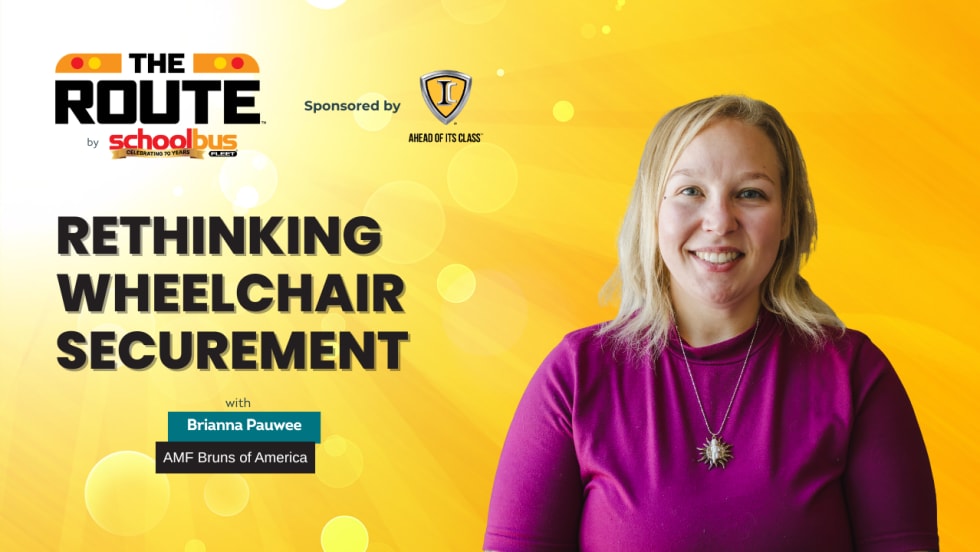
The Lived-Experience Gap in Mobility Tech: An Expert Take on Safe Student Transportation
Brianna Pauwee, a product application specialist at AMF Bruns of America and a wheelchair user, drops in to The Route to share practical securement and training insights, plus the story behind the new “Beyond Mobility” podcast. The Route is sponsored by IC Bus.
Read More →