




Billions of dollars, but none for us?
I recently spent several days in Washington, D.C., attending the American Public Transportation Association’s (APTA) annual legislative conference. Th...
I recently spent several days in Washington, D.C., attending the American Public Transportation Association’s (APTA) annual legislative conference. The focal point of this year’s meeting, as it was at last year’s, was the reauthorization of TEA 21 (Transportation Equity Act for the 21st Century), the federal legislation that divvies up billions of dollars in funding for public transit and highway projects.
In case you didn’t know, the Federal Transit Administration (FTA) will provide more than $7 billion in fiscal year 2003 to transit agencies for the replacement of buses and railcars, the upgrade of transit infrastructure, the development of fixed-guideway projects such as light rail lines and public transportation research, among other things.
Because this massive reauthorization legislation covers six years (FY 2004 to 2009), transit agencies and industry suppliers are vigorously lobbying their representatives on Capitol Hill. As you might expect, their efforts are aimed at significantly increasing guaranteed funding levels, a tough charter given the continuing economic weakness and the war clouds in the Middle East.
But don’t bet against the transit industry. It’s got a powerful ally in APTA, which has mounted a sophisticated lobbying effort that includes a substantial investment in print and TV advertising.
Can we get a share?
So what’s the tie-in to school buses? There has been some discussion within the pupil transportation industry of trying to grab a share of the funding in the reauthorization of TEA 21. There’s certainly a dire need. With state and local governments struggling with revenue shortfalls, school districts could use every cent they can get to relieve the budget pressures on their transportation programs.
It’s late in the game, however. Even if the reauthorization doesn’t take place until next year, which is a possibility even though it’s scheduled for 2003, the pupil transportation community would need to develop a unified plan and find some champions on Capitol Hill.
To that end, the National School Transportation Association (NSTA), which represents the school bus contractor industry, has created a plan for TEA 21 reauthorization. In addition to employing a lobbyist and distributing a white paper to congressional staff, NSTA is launching a grassroots campaign to influence lawmakers through a combination of phone, fax and e-mail communication. This sounds promising.
Exactly how this effort will be converted into significant federal investment in our industry is still uncertain. That’s not to say, however, that obtaining funding through the reauthorization is out of the question. It’s possible that some funding could be obtained to improve the security of school transportation. The motorcoach industry is pushing for millions of federal dollars to upgrade their anti-terrorist programs. Why shouldn’t school transportation be given the same consideration?
Let’s look for opportunities
Are there other funding opportunities? Certainly. We shouldn’t discount the possibility that funding could be made available for capital replacement projects, especially with the EPA pushing for the replacement of older, higher-polluting school buses.
The school bus industry needs to align its message to Congress through organizations such as the NSTA, the National Association for Pupil Transportation and the National Association of State Directors of Pupil Transportation Services (and its Supplier Council). The next stop would be Capitol Hill.
More Safety
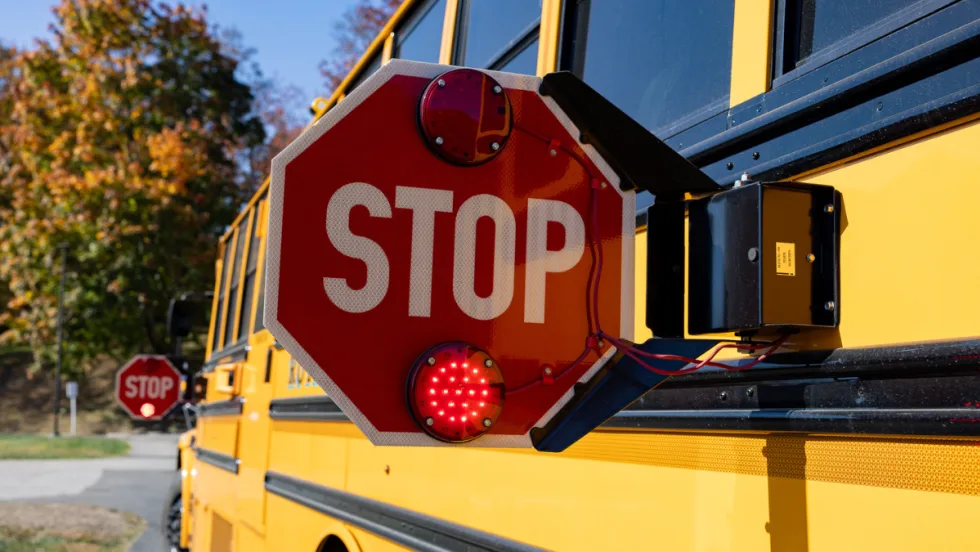
Illegal School Bus Passing Drops 24% in New York Districts
With fewer than 5% of citations involving repeat offenders, Westchester County officials said enforcement, education, and community partnerships are helping change driver behavior.
Read More →
School's Back. Here's What Happened to Traffic, Speeding & Distraction
What happens to traffic when school resumes? New data analysis examines changes in distracted driving, congestion, and speeding around schools.
Read More →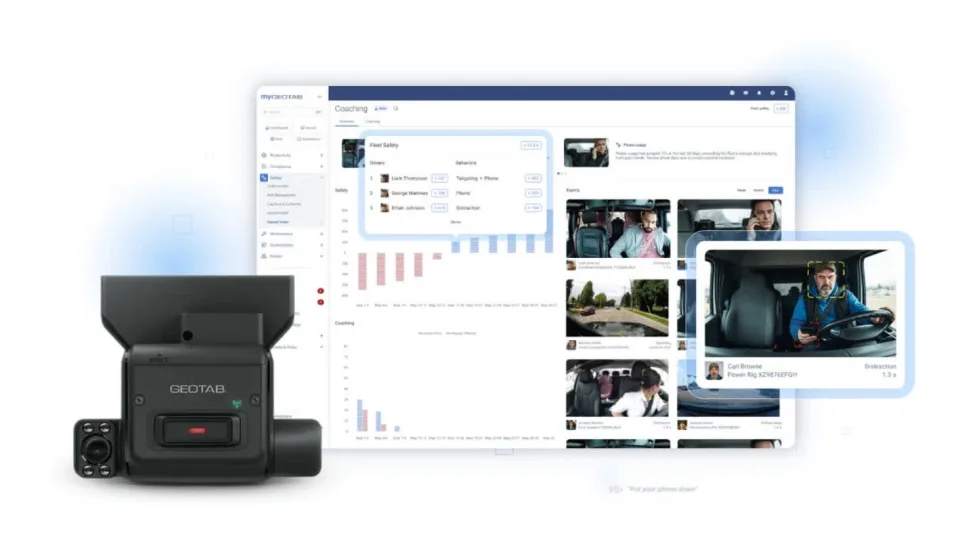
Geotab Expands Fleet Safety Tools With Video Coaching, Risk Insights
New safety and video capabilities aim to help fleet managers assess risk, support drivers, and take targeted action through video coaching, red-light violation detection, and more.
Read More →

How to Build a Better School Bus Driver Training Program
Is it time to strengthen your driver training? Here’s how to pick the right talent and improve recruitment, retention, and safety. This video is brought to you by IC Bus.
Read More →
Recent School Bus Accidents Leave 2 Dead, 2 Injured
Four school bus crashes in Florida, Illinois, and Georgia highlight risks in transportation lots, at bus stops, and during student loading and unloading.
Read More →
When Every Second Matters, Clarity Keeps Routes Moving
From routine delays to urgent incidents, strong communication practices help drivers, dispatchers, schools, and families respond with confidence.
Read More →
What Happens When a School Bus Catches Fire — and What Can Help
School bus fires are rare but can be devastating. Learn how advances in fire suppression and asset protection help fleets detect fires earlier, reduce damage, and improve safety.
Read More →
Geotab Launches Tool to Help Fleets Investigate Road Incidents
Geotab Investigations combines telematics data, video, documents, and other evidence to help fleets reconstruct incidents, resolve claims, and determine what happened.
Read More →
Texas Sixth Grader Wins 2026 National School Bus Safety Poster Contest
Sai Darshana Yekolu of Moseley Middle School in Prosper, Texas, was named the newest winner for her artwork, bringing the theme of “Safe Rides, Everyday Heroes” to life.
Read More →
Doing More With Less: How Transportation Directors Can Prioritize Safety Amid Budget Uncertainty
With diesel prices soaring and nearly one-third of transportation directors expecting budget cuts, maintaining student safety has never been more challenging. Download this guide to learn how leading districts are prioritizing risk, funding critical safety technology, and building stronger budget cases with data.
Read More →