




Best practices with biodiesel
John Deere of Moline, Ill., recently published a brochure that addresses the benefits and downsides of using ...

John Deere reported that one major advantage of using biodiesel is that it is a renewable fuel and a domestic energy source, which helps to reduce dependence on petroleum imports. It is also biodegradable, nontoxic and suitable for sensitive environments.
Biodiesel contains no petroleum but is frequently blended in various amounts with petroleum to create a biodiesel blend.
The company prefers B5 blends of biodiesel (5 percent biodiesel with 95 percent conventional diesel), but said that biodiesel concentrations of up to 20 percent (B20) can be used in all of its engines, provided that the biodiesel used in the blend meets the American Society of Testing Materials’ D6751 standard.
To ensure that biodiesel users have high-quality blends, John Deere recommended that it is purchased from a BQ-9000-certified marketer and sourced from a BQ-9000-accredited producer.
The National Biodiesel Board awards BQ-9000 certification to marketers and producers that meet comprehensive quality criteria in the areas of storage, sampling, testing, blending, shipping, distribution and fuel management. For a list of certified marketers and accredited producers, visit www.bq-9000.org.
In addition to being renewable, biodegradable and nontoxic, using biodiesel results in improved lubricity, and it generates minimal sulfur emissions. Moreover, biodiesel has an energy balance ratio of 3.2 to 1, meaning that a gallon of the fuel provides end users with 3.2 times the energy it takes to produce it.
As with most products, despite the advantages of using biodiesel, there are also disadvantages. For instance, John Deere found that while biodiesel reduces smoke, the fuel increases nitrous oxide emissions. The company also found that use of B20 biodiesel will result in slight reductions in vehicle power and fuel economy when compared to traditional petroleum diesel, and it can accelerate the degradation of crankcase oil. When using the fuel, John Deere recommended that the engine oil level be checked on a daily basis.
The company also offered information on the effect biodiesel has on vehicle components. Biodiesel can seep through certain seals, gaskets, hoses, elastomers, glues and plastics — particularly in older engines. Natural rubber, nitrile and butile rubber are especially vulnerable to degradation. At the other end of the spectrum, engine brass, bronze, copper, tin and zinc can accelerate biodiesel oxidation and create deposits in the engine. Due to its high acidity, biodiesel may also cause corrosion in the engine.
Biodiesel can cause cold-weather fuel flow degradation and reduce engine fuel or water separator efficiency as well, resulting in a decreased change interval.
The change interval of the vital (two micron-rated) final-stage fuel filter can also be reduced. John Deere recommended installing new fuel filters when biodiesel is introduced to older or used engines.
A product that will aid users with regard to the reduced fuel or water separator performance issue is the RCI Purifier. Bob Randle, RCI president, said that he has seen considerable biodiesel fuel separation problems and believes that this is the root cause of the all-too-frequent clogging of conventional paper fuel filters and expensive fuel injector failures. The RCI Purifier meets the Society of Automotive Engineers’ primary and secondary fuel filtration requirements and has been certified by the Green Clean Institute. It has also proven effective in increasing the change interval of the final-stage fuel filter.
School bus manufacturers have optionally furnished the RCI Purifier on their vehicles.
For more information about the product, visit www.rcitetechnologies.com.
John Deere had several suggestions for storing and handling biodiesel. Since the fuel is biodegradable, the company recommended that B20 be used within 90 days of manufacture. Longer storage periods will result in a separation of the biodiesel blend.
The fuel should also be sampled every so often to ensure a consistent percentage of biodiesel, and John Deere recommended adding a chemical stabilizer to biodiesel at the time of manufacture or shortly thereafter to improve storage.
Biodiesel storage tanks should be sheltered from sun, frost and other temperature extremes, and they should be topped off at the end of each day to prevent condensation. Water accelerates microbial growth and can increase stress on fuel/water separators.
The tanks should be made out of aluminum, steel, fluorinated polyethylene, fluorinated polypropylene, Teflon or fiberglass.
The information in John Deere’s brochure may be old news to some; for others, it may have brought to the forefront benefits or downsides of biodiesel that they were unaware of.
Regardless of its impact, it is undoubtedly a useful tool to help pupil transportation officials in effectively using biodiesel to power school buses, or in deciding whether it is the right fit for their operation.
The brochure (No. DSWT62) is available at most John Deere agricultural and engine dealers. It can also be found at https://secured.deere.com/en_US/rg/httpscontent/engineliterature.html.
More Alternative Fuels

Alt-Fuel Moves: Electric Bus Rollouts, Bidirectional Charging & Propane Growth
See which fleets are adding electric and propane school buses as districts and operators invest in charging infrastructure, bidirectional technology, and alternative-fuel expansion.
Read More →
Nobody Told Diesel Prices They Were Supposed to Come Down
With diesel prices surging, school bus fleets have new reason to stress-test fuel costs, consider diversification, and calculate what each route really costs to operate.
Read More →
Why Gasoline School Buses Are Making a Comeback
Gasoline is gaining ground in full-size school buses. See how today’s options stack up against diesel on cost, maintenance, emissions, performance, and more.
Read More →
EPA Opens $180M DERA Funding Round for Diesel Upgrades
The 2026 Diesel Emissions Reduction Act program seeks applications from eligible organizations to accelerate the retirement of legacy diesel vehicles.
Read More →
The Secret Life of an Electric School Bus Battery
Batteries change throughout years of daily routes, but degradation doesn’t necessarily mean the end. Here’s what operators should know about performance, safety, and second life.
Read More →
CALSTART and Forth Combine to Form Catalyst Mobility
The new name represents a renewed vision for the nonprofit focused on advancing clean, equitable, and affordable transportation solutions that move people and goods.
Read More →
Alt-Fuel Moves: New Buses, Charging Hubs & Real-World EV Testing
Propane and electric school bus deployments continue to grow as districts add new vehicles, expand charging infrastructure, and gather more real-world operating data.
Read More →
Fewer Electric School Bus Models Reshape the U.S. Market
WRI’s latest buyer’s guide points to a consolidating electric school bus market, but fewer options may reflect a maturing industry rather than fewer meaningful choices for school bus operators.
Read More →
The Fuel Budget You Can Actually Predict: How Propane Autogas Keeps Money in the Classroom
Learn how propane autogas helps school districts manage fuel costs with predictable pricing, lower maintenance, and reduced emissions from former transportation director Joel Stutheit.
Read More →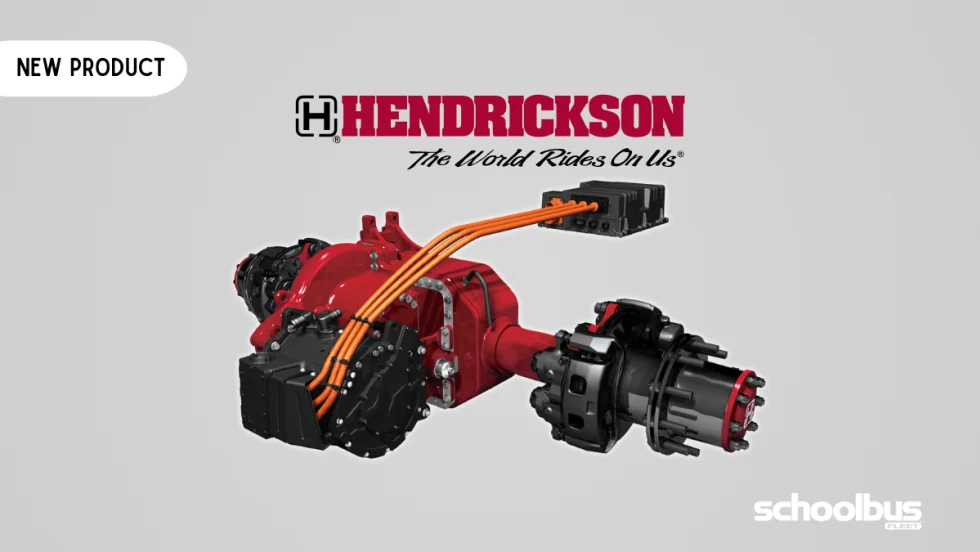
Hendrickson, Driventic Introduce New Electric Powertrain for School Buses
ELECTRAAX, the electrified, lightweight drive axle offers integrated ePowertrain efficiency and modular flexibility for Class 6–7 school bus use.
Read More →