




A problem with a solution
I recently read of two more incidents in which children were left on the bus following a route. One incident led to a lawsuit filed by the parents all...
I recently read of two more incidents in which children were left on the bus following a route. One incident led to a lawsuit filed by the parents alleging brain damage of their child; the other resulted in two employees being fired. These incidents that jeopardize the safety of students need not occur.
At the 14th National Congress on School Transportation, I proposed a set of procedures to better ensure students are not left on the bus. Recognizing that it was a national problem, I assumed the leaders of the industry in attendance would embrace a proven set of procedures that have resulted in no students left on the bus. I was wrong! My proposed motion was soundly defeated. It should have been embraced and adopted by every school district across the nation.
A four-step solution
First, transportation supervisors must change the attitude toward this problem. Instead of blaming the drivers, management must take responsibility for ensuring that these potentially tragic events do not occur. This is a transportation department problem and not just a driver problem.
When an incident occurs, does the transportation manager get fired? No! It's the driver who's either fired or disciplined. This is the case even if the district has not implemented procedures that use the "EMPTY" sign placed in the rear window of the school bus. Here is what works for us.
Step one: Make preventing children from being left on the bus a department problem. By making it a department problem, it requires a department solution and not just a driver solution.
Step two: Implement an "EMPTY" sign procedure that requires drivers to place a sign in the rear window of the bus following each trip/route.
Each time the bus comes back to the terminal or is parked following a route, the bus must be checked by the driver and an "EMPTY" sign placed in the rear window. No bus should be on the road with an "EMPTY" sign showing, because it should also be part of the procedure to remove the sign on the pre-trip before the bus leaves the parked position. (It is helpful to print the directions for use right on the back of the "EMPTY" sign.)
Step three: Purchase new buses with a system that causes a beeping sound, honks the horn, flashes the lights, etc. if the driver doesn't go to the back of the bus. Or, use a GPS system that reports drivers who do not check the back of the bus when the bus is parked following the route.
One system is not enough. A duplication of systems is essential for the problem to be eliminated. The system needs to be fail-safe. Even if you use an electronic system or a more sophisticated GPS system, the "EMPTY" sign placed in the rear window procedures should be maintained because it provides supervisors with a visual cue that the bus was checked.
Step four: Check the system. If supervisors fail to check to see if the "EMPTY" signs are in place, record the results daily and discipline drivers who fail to perform the procedures as required, the system will fail. The key to success in preventing these potentially tragic events is for supervisors to regularly (daily) check the system and record the results.
This system will work with a fleet of any size. Prior to implementing the process at our operation, there were more than 10 incidents of children left on the bus each year. Now we have none. If implemented nationwide, this process would prevent tragic incidents affecting the safety of schoolchildren.
I call this process "Goby's Solution." Why not make it yours?
Dale Goby is the executive director of the Office of Student Transportation for Detroit Public Schools. He can be reached at (313) 220-5118 or dale.goby@detroitk12.org.
More Safety

HopSkipDrive Reports Progress on Safety Advisory Council
More than a year after forming the council, independent safety experts have helped shape new rider-safety features and policy progress, with a new goal to address rider behavior.
Read More →
What the 2026 National School Bus Safety Month Resolution Means for Student Transportation
The bipartisan resolution highlights illegal school bus passing, student safety during loading and unloading, and the need for driver training and public education.
Read More →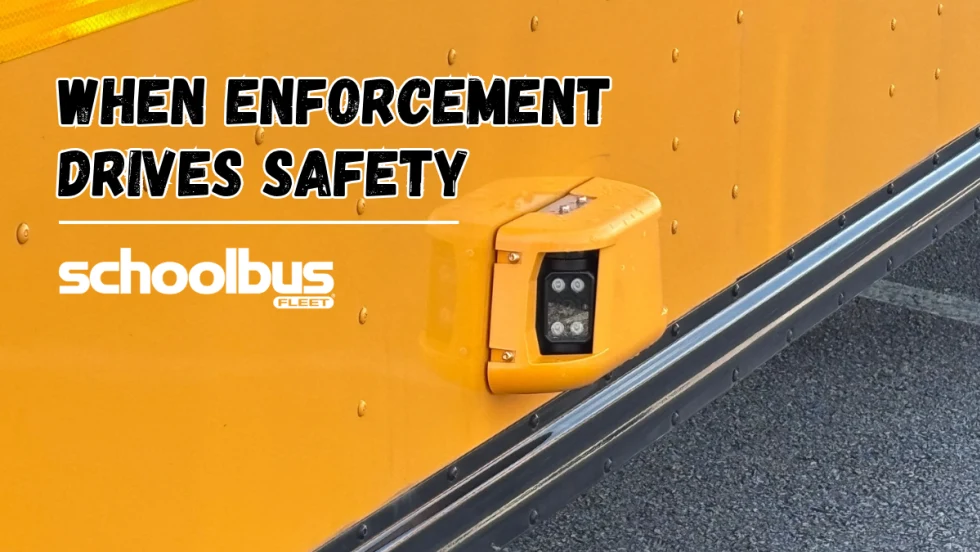
School Bus Stop-Arm Violations Decline 53% Across Verra Mobility Programs
Verra Mobility shares how school bus stop-arm cameras and school zone safety programs are changing driver behavior, reducing violations, and protecting students.
Read More →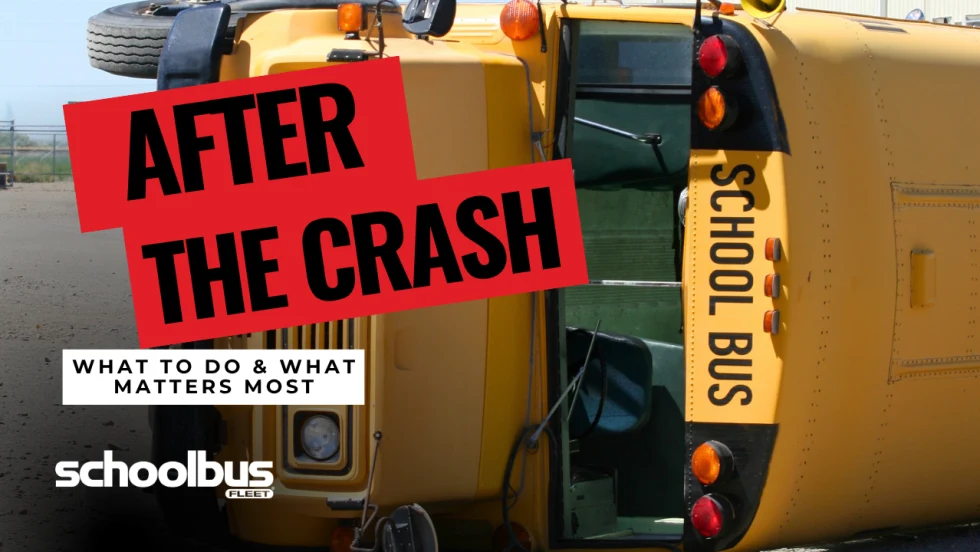
Most Bus Crashes Aren’t Your Fault. Here’s How to Prove It.
A guide for what to do in between a school bus crash and a claim: what to preserve, who to notify, and how to keep the facts available when they matter.
Read More →
National School Bus Safety Week 2026: Tips, Toolkits & Resources to Keep Students Safe
School bus safety takes more than awareness. Explore expert tips, enforcement strategies, and free resources to help protect students on every ride.
Read More →
2 Killed, Dozens Injured in Florida School Bus Crash
A multi-vehicle collision caused a Polk County school bus carrying 37 students to overturn on its way to Winter Haven High School.
Read More →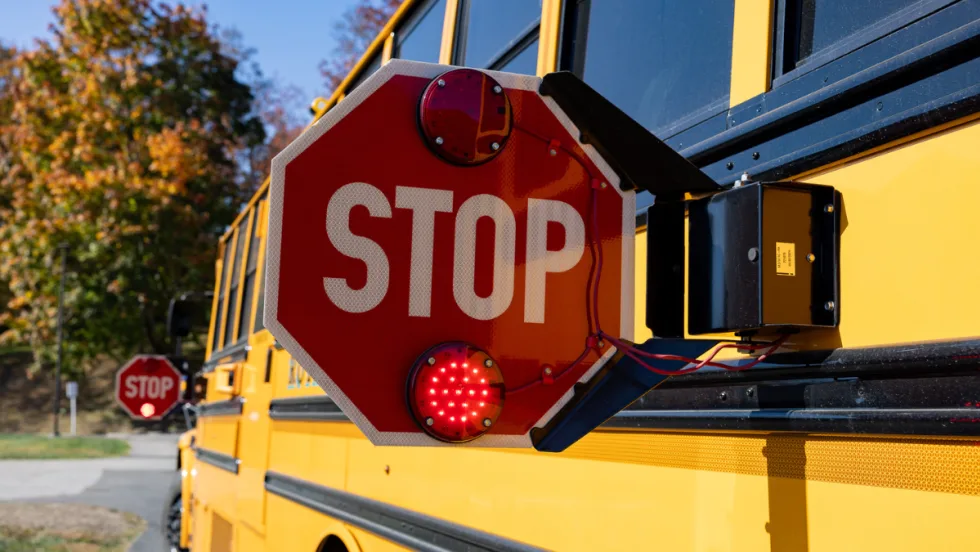
Illegal School Bus Passing Drops 24% in New York Districts
With fewer than 5% of citations involving repeat offenders, Westchester County officials said enforcement, education, and community partnerships are helping change driver behavior.
Read More →
School's Back. Here's What Happened to Traffic, Speeding & Distraction
What happens to traffic when school resumes? New data analysis examines changes in distracted driving, congestion, and speeding around schools.
Read More →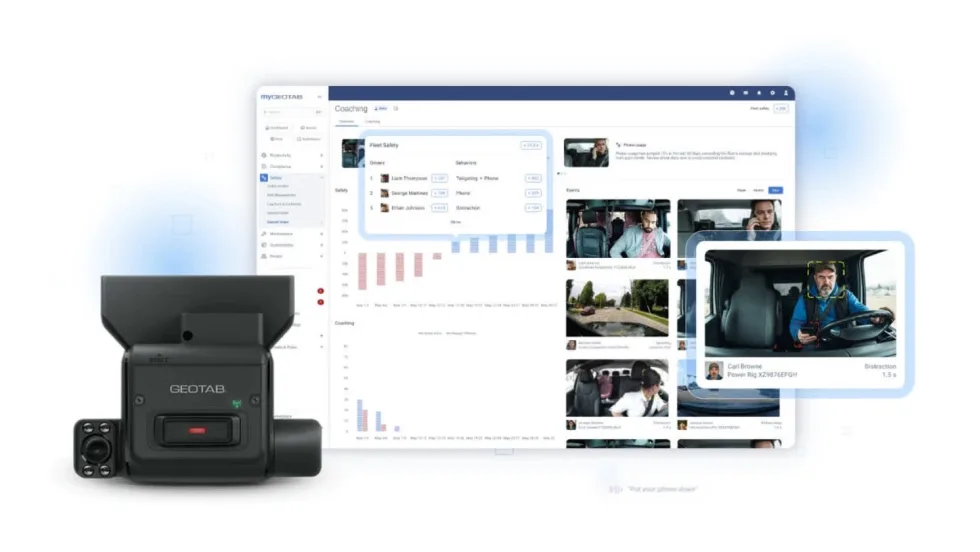
Geotab Expands Fleet Safety Tools With Video Coaching, Risk Insights
New safety and video capabilities aim to help fleet managers assess risk, support drivers, and take targeted action through video coaching, red-light violation detection, and more.
Read More →
How to Build a Better School Bus Driver Training Program
Is it time to strengthen your driver training? Here’s how to pick the right talent and improve recruitment, retention, and safety. This video is brought to you by IC Bus.
Read More →