




A gut feeling worth sharing
Recently, I was visiting family in another state, and I was driving through a neighborhood at about 8 a.m. when I noticed a school bus coming toward m...
Recently, I was visiting family in another state, and I was driving through a neighborhood at about 8 a.m. when I noticed a school bus coming toward me. Now, I don't know about you, but having been in this business quite some time I tend to notice school buses. No, I tend to study school buses — especially in other states.
As this particular bus approached, I noticed lots of things. I noticed the manufacturer of the school bus. I noticed the numbering scheme used by that state or district. I could tell that it was a 1998 bus because the bus number began with 98. It reminded me of the way that many buses were numbered when I was in school.
Then I noticed the details of the passenger stop. I noticed when the yellow lights came on and when the red lights came on.
I watched five children who crossed the road in front of me to board the bus. Three of the bigger kids crossed first followed by two smaller kids. There wasn't a big gap between the two "packs." The third child was still in front of the bus on the door side as the fourth child began crossing the street. Nothing unusual so far.
Why did this bother me?
Here's what really surprised me. As I continued watching this passenger stop, I wondered if the bus driver was counting these five kids as he or she had been trained. Then, my thoughts turned a little darker: I sure hope so, because this is how kids can get run over. If this driver isn't watching carefully, he or she may not see these last two kids. Indeed, if the bus driver had decided there were only three kids, the bus moving forward would have struck these two small children. They simply can't be seen. But, the bus driver was doing an excellent job; the children all boarded the bus safely.
I watch school bus stops all the time. Nearly every morning for the past six school years I have been at the elementary school stop with one or both of my kids. Most often, they have crossed the street to catch the bus. This year, I am at the middle school stop with my son nearly every morning. I see buses stop all over our state. Kids get on. Kids get off. So why did I have these rather morbid thoughts at this particular school bus stop? Why was I so concerned about the bus driver seeing these children — more than I have been at other bus stops?
It wasn't until the school bus and I had parted ways that I realized the cause of my concern. There was no crossing-control arm on that school bus! Those five kids were walking six feet closer to the bumper than I am accustomed to seeing. When my kids get on and off the school bus, there is no doubt in my mind that they are seen by the school bus driver. When any kids cross to board or leave a North Carolina public school bus, the crossing-control arm helps to ensure that they can be seen. That's why this experience was so different. These kids were separated from the front of the bus by a matter of inches, and I know that the driver did not have a direct line of sight to the smallest of these five children when they were in front of the bus.
The North Carolina delegation argued (unsuccessfully) at the 2000 National Conference on School Transportation in Warrensburg, Mo., that the crossing-control arm language would be better as a "should" than a "may." Crossing arms have been standard equipment on North Carolina school buses since the early 1980s.
Are you doing everything you can?
This is not a sales pitch for crossing arms. But we all have things to share and this, I believe, is something worth sharing. I share it not because of the mountain of data that supports the use of this equipment, but because of the experience I had — the feeling I had — while at that passenger stop. I felt in my gut that something was intrinsically wrong at the stop. And what was wrong was the available protection that could have been provided to those kids but was not.
In North Carolina, the crossing arm is as much a part of standard safety equipment as the stop arm. For that, as I watch my kids get on the bus, I am grateful.
More Safety
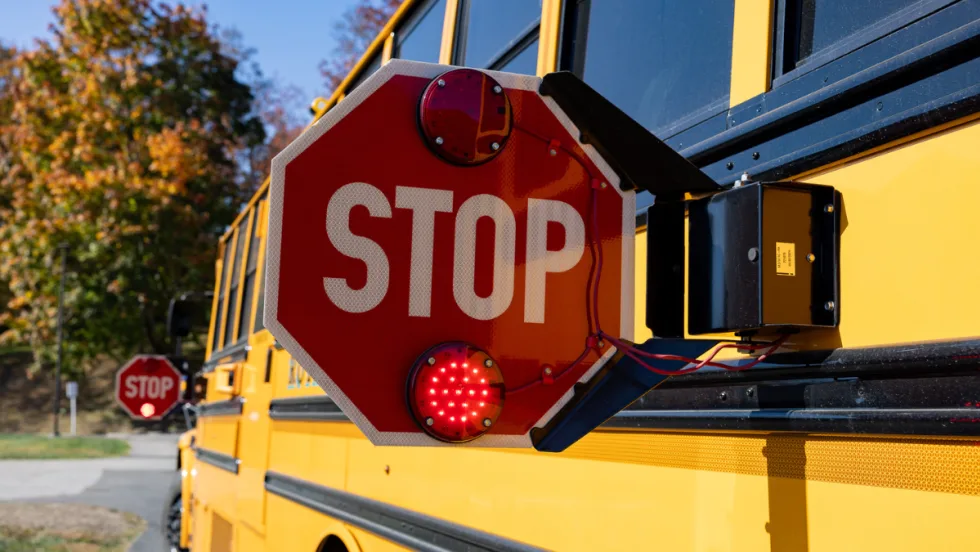
Illegal School Bus Passing Drops 24% in New York Districts
With fewer than 5% of citations involving repeat offenders, Westchester County officials said enforcement, education, and community partnerships are helping change driver behavior.
Read More →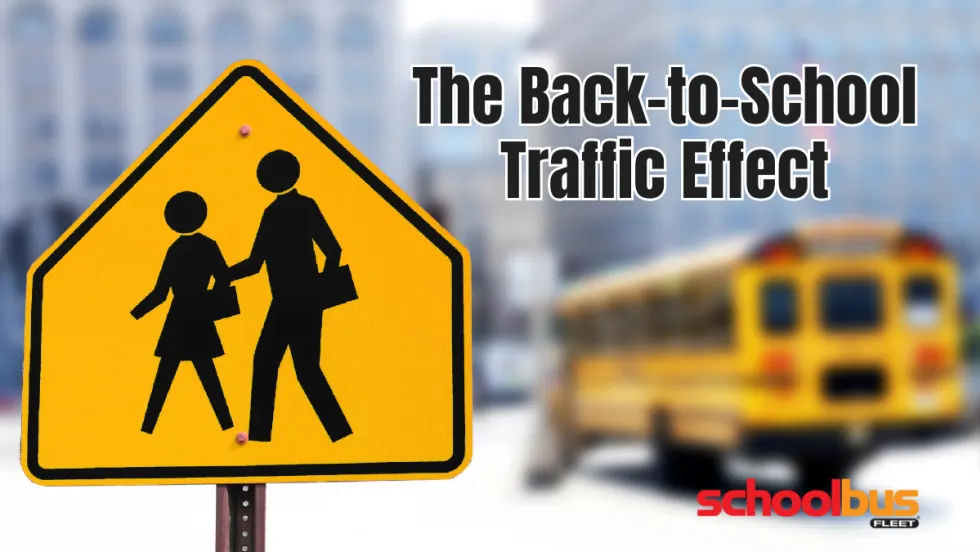
School's Back. Here's What Happened to Traffic, Speeding & Distraction
What happens to traffic when school resumes? New data analysis examines changes in distracted driving, congestion, and speeding around schools.
Read More →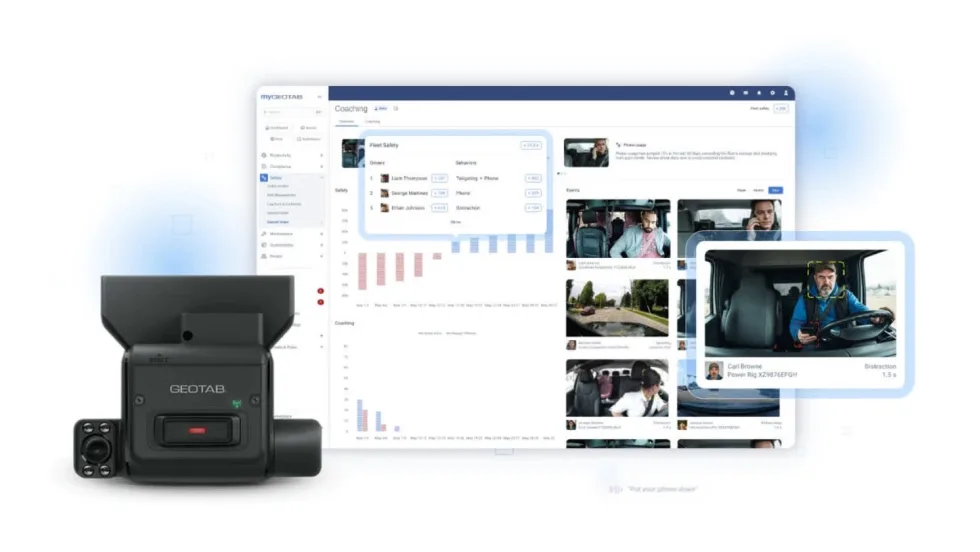
Geotab Expands Fleet Safety Tools With Video Coaching, Risk Insights
New safety and video capabilities aim to help fleet managers assess risk, support drivers, and take targeted action through video coaching, red-light violation detection, and more.
Read More →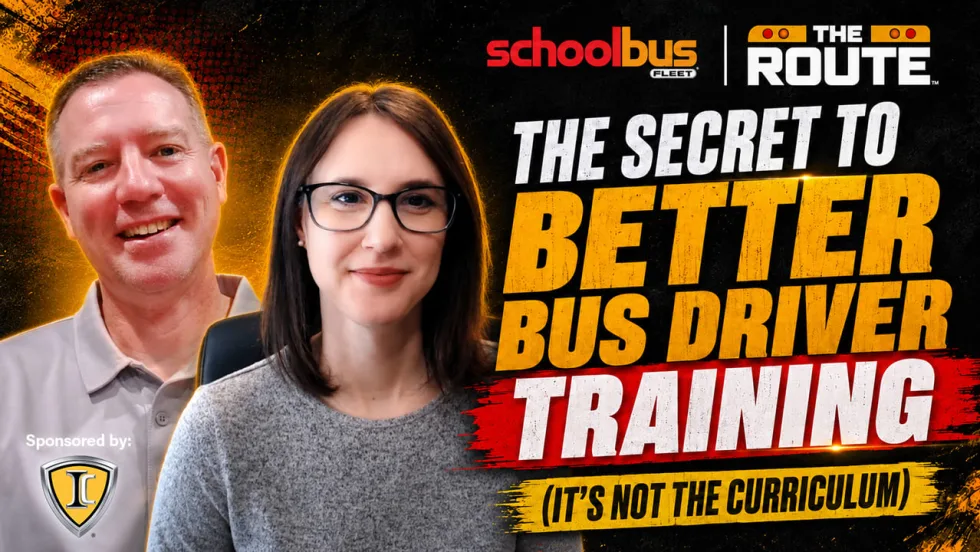
How to Build a Better School Bus Driver Training Program
Is it time to strengthen your driver training? Here’s how to pick the right talent and improve recruitment, retention, and safety. This video is brought to you by IC Bus.
Read More →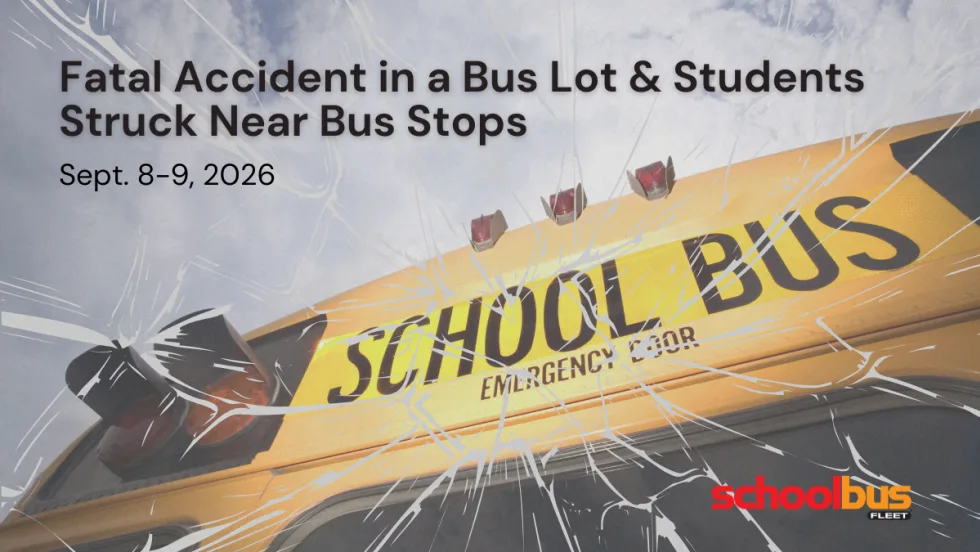
Recent School Bus Accidents Leave 2 Dead, 2 Injured
Four school bus crashes in Florida, Illinois, and Georgia highlight risks in transportation lots, at bus stops, and during student loading and unloading.
Read More →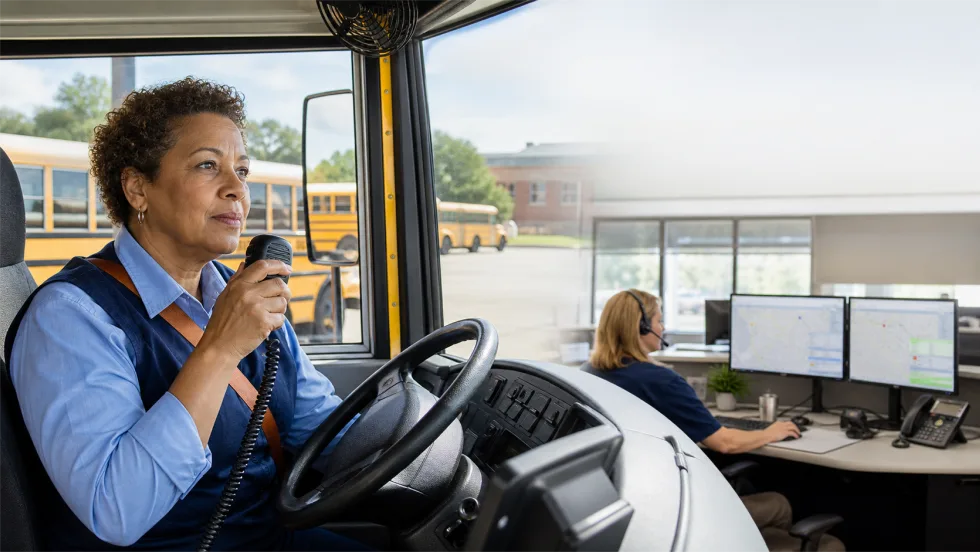
When Every Second Matters, Clarity Keeps Routes Moving
From routine delays to urgent incidents, strong communication practices help drivers, dispatchers, schools, and families respond with confidence.
Read More →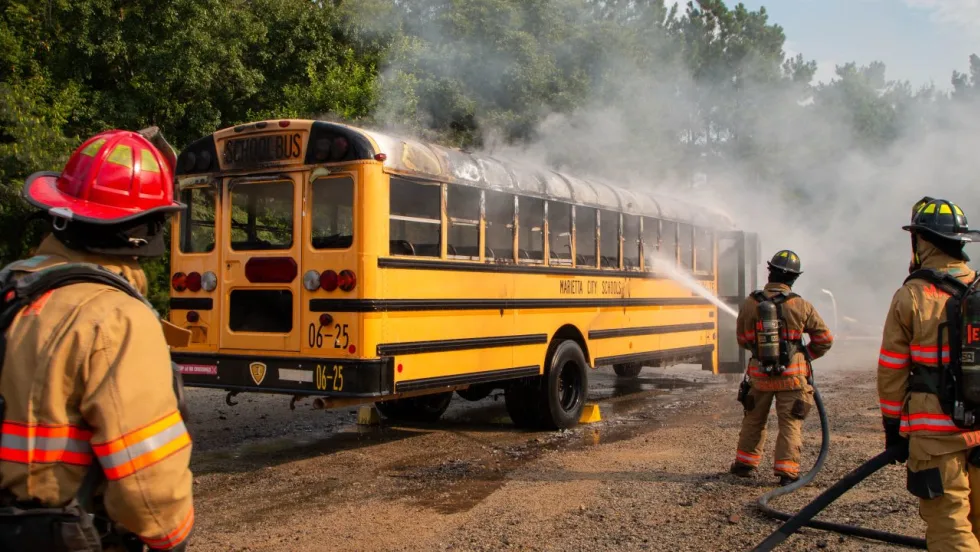
What Happens When a School Bus Catches Fire — and What Can Help
School bus fires are rare but can be devastating. Learn how advances in fire suppression and asset protection help fleets detect fires earlier, reduce damage, and improve safety.
Read More →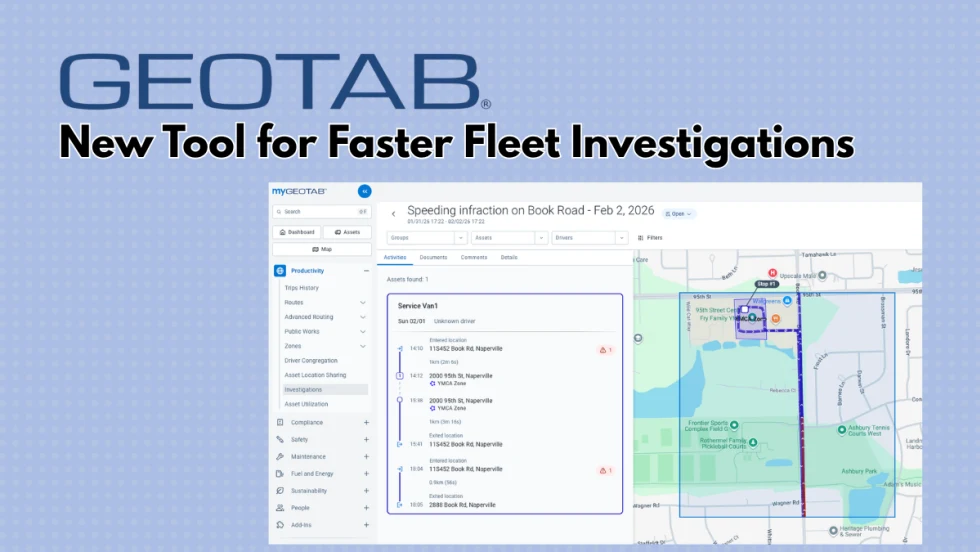
Geotab Launches Tool to Help Fleets Investigate Road Incidents
Geotab Investigations combines telematics data, video, documents, and other evidence to help fleets reconstruct incidents, resolve claims, and determine what happened.
Read More →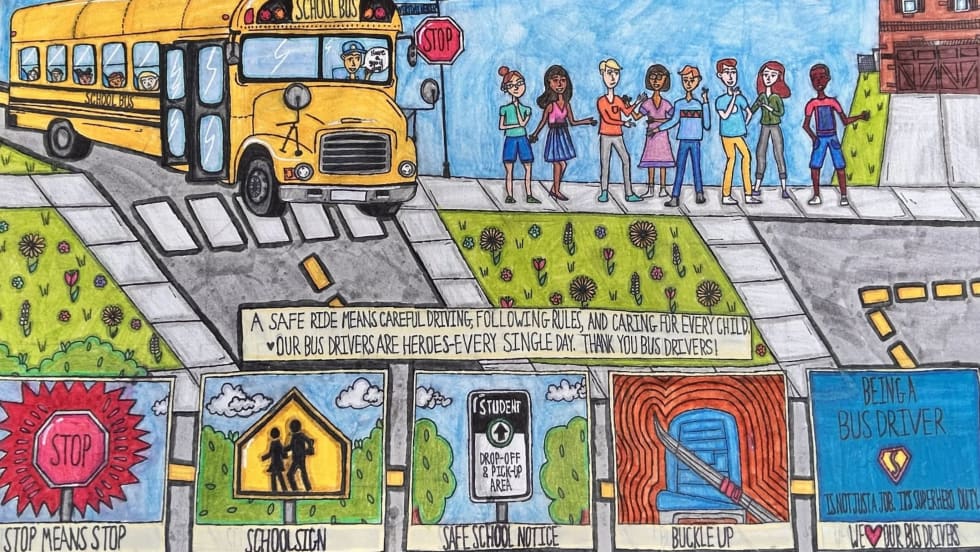
Texas Sixth Grader Wins 2026 National School Bus Safety Poster Contest
Sai Darshana Yekolu of Moseley Middle School in Prosper, Texas, was named the newest winner for her artwork, bringing the theme of “Safe Rides, Everyday Heroes” to life.
Read More →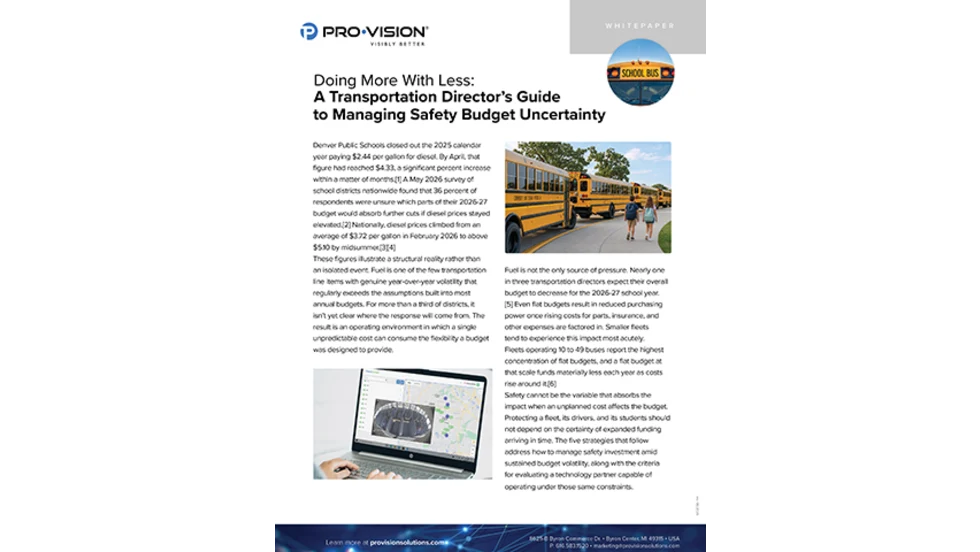
Doing More With Less: How Transportation Directors Can Prioritize Safety Amid Budget Uncertainty
With diesel prices soaring and nearly one-third of transportation directors expecting budget cuts, maintaining student safety has never been more challenging. Download this guide to learn how leading districts are prioritizing risk, funding critical safety technology, and building stronger budget cases with data.
Read More →