




9 Steps to Manage the Behavior of Children with ADHD
Discover effective strategies for managing students with ADHD. These practical tips will help create a more positive and productive environment for children with ADHD aboard the bus.

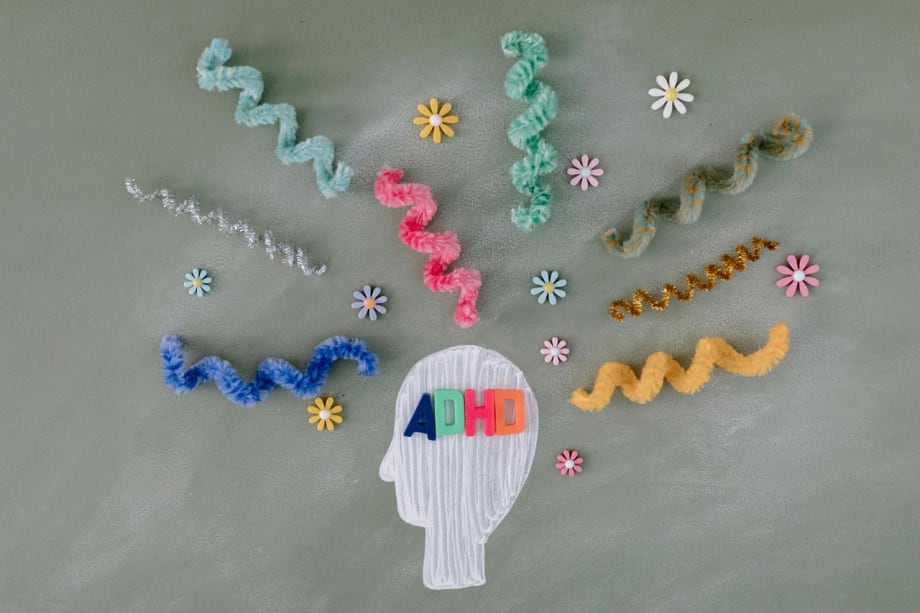
Photo: Pexels/Tara Winstead
The following tips for dealing with students with Attention Deficit Hyperactivity Disorder (ADHD) were provided by Linda Classen, consultant on ADHD for the Austin (Texas) Independent School District, during the National Conference on Transporting Students with Disabilities and Preschoolers in Ft. Worth, Texas, this March.
1. Don't nag
The cardinal rule of behavior management with children with ADHD is, "He who nags most loses." The more the adult talks, the more his or her voice becomes the white noise of the refrigerator motor. They tune you out. What you say matters very little. It's what you do that counts. Therefore, act, don't yak.
2. Don't argue
Cease and desist arguing with an aspiring attorney. These kids will argue with a tree stump. It's important to remember that an argument absolutely requires the participation of two people. Shut down your half. You already have authority on your bus. It's not necessary to have the last word.
3. Chill first in a crisis
Upset children usually become significantly hearing impaired. Save problem solving until all have calmed down. It's a waste of time and energy to try to reason with them at this point.
4. 'Speak and Spin'
Quietly and calmly (practice getting the emotion out of your voice) use exactly two words to name the inappropriate behavior: "That's arguing," or "That's whining." At the same time, put your hand out with the palm facing the child to give the visual cue of a stop sign. Next, use only three or four words to tell the student the exact behavior you want to see instead: "Show me listening," or "Show me waiting." For the "spin" portion of "speak and spin," break eye contact with the student and, in looking or walking away, convey: "My friend, this conversation is over."
5. 'Let's make a deal'
Most kids will not give up after the first attempt. If the behavior continues, quietly and calmly repeat the name of the inappropriate behavior, "That's arguing." Follow this with a deal: "If you [fill in the desired behavior], you can have [fill in the reinforcer/reward you can deliver]. If I have to ask you again, you will lose [privilege you can take away]." Set a very short time limit for the student to begin compliance. Once the deal is made, do not discuss it further.
6. Pick your battles carefully
It is possible to reinforce any behavior, appropriate or inappropriate, by paying attention to it. It's important to ignore insignificant, nuisance behaviors.
7. Target behaviors
The two significant behaviors to target are "on task" and "appropriate talk only." If a student is "on task," many of the usual problems, such as bothering other students, will not happen. Giving students with ADHD a job to do while onboard could help them stay on task. Targeting appropriate talk helps eliminate insulting, teasing, burping and other disruptions. Targeting more than three behaviors makes a behavior plan complicated, unwieldy and likely doomed to fail.
8. Choose reinforcement carefully
For a reward or reinforcer to have any chance of being powerful enough to shape and change behavior, it must meet two criteria:
It must be a passion, something the child wants very much.
It must be something the child cannot have any other way than via the plan.
The right to play video games or participate in some other onboard pastime are popular rewards for children exhibiting good rider behavior.
9. Create bus rider 'currency'
One type that is useful and fun is when you copy a real dollar bill and replace George Washington's picture with a picture of the child, reducing the size to that of "play money." This money can be used by the student to purchase rewards or privileges.
More Special Needs Transportation
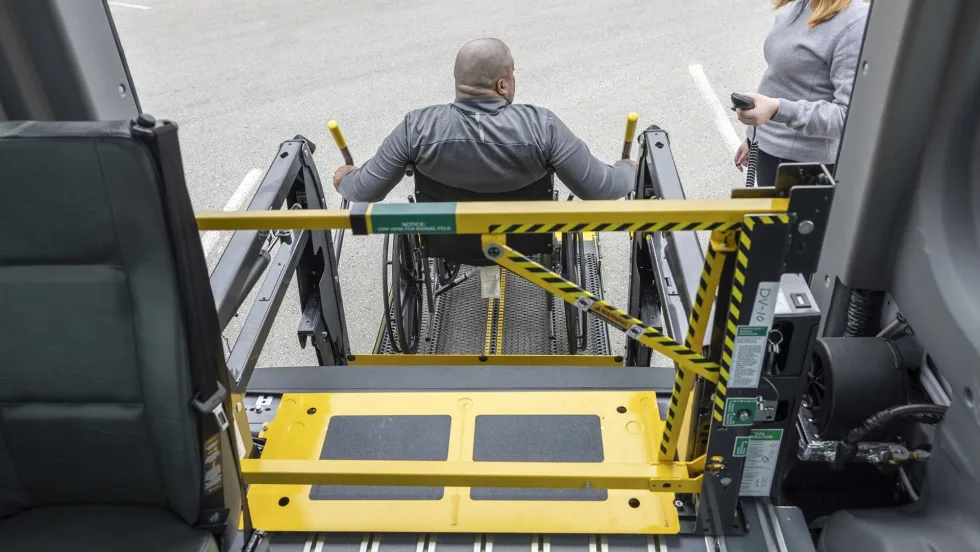
BraunAbility Introduces New Safety Barrier for Wheelchair Lifts
LiftSentinel is designed to add another layer of protection during wheelchair loading and unloading and can be retrofitted to many existing commercial lift installations.
Read More →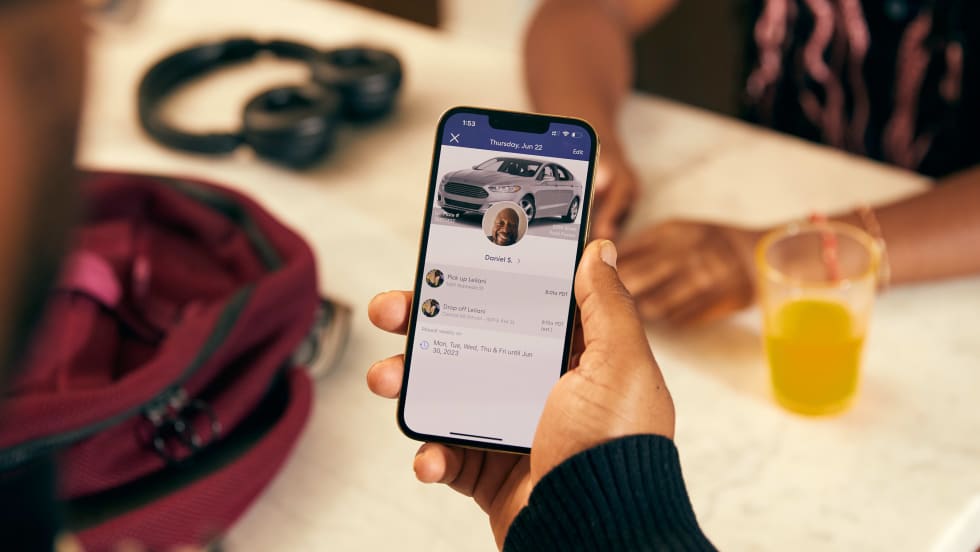
HopSkipDrive Launches New Safety, Driver Consistency Features for 2026-27 School Year
The company’s free ride recording, live ride tracking, and consistent driver assignments aim to improve safety and continuity for diverse student transportation needs.
Read More →
The Most Common Wheelchair Securement Mistakes on School Buses (and How to Fix Them)
Small missteps in wheelchair securement can have serious consequences. Here are 32 tips from experts to reduce risk and increase student safety on the bus.
Read More →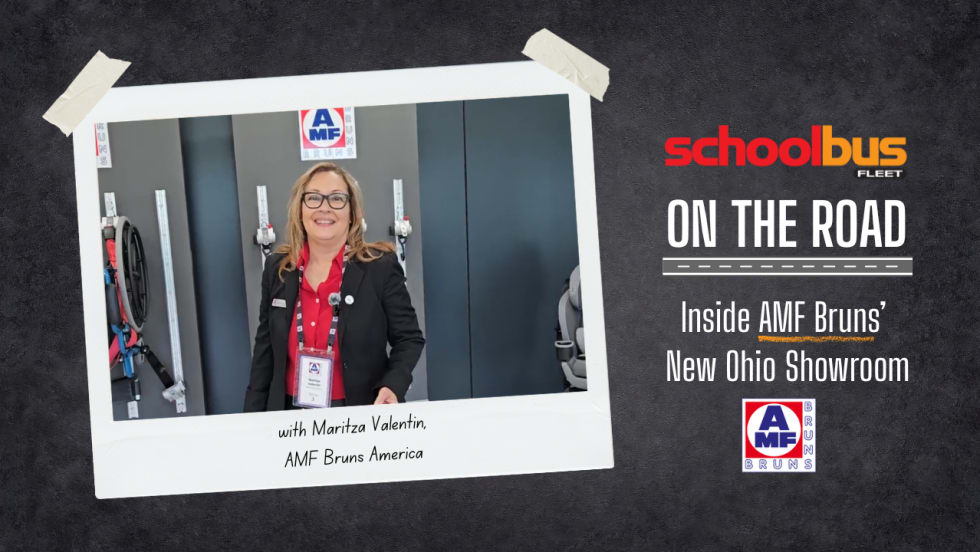
Inside AMF Bruns’ New Showroom: School Bus Securement Solutions Explained
Go inside AMF Bruns America’s new Ohio showroom with Maritza Valentin to see its FutureSafe technology, driver training tools, securement systems, and seating innovations.
Read More →
What AMF Bruns’ New Facility Means for Customers [Video]
Inside AMF Bruns’ new Stow, Ohio, operations: See how expanded space and innovation will enhance customer support and operations.
Read More →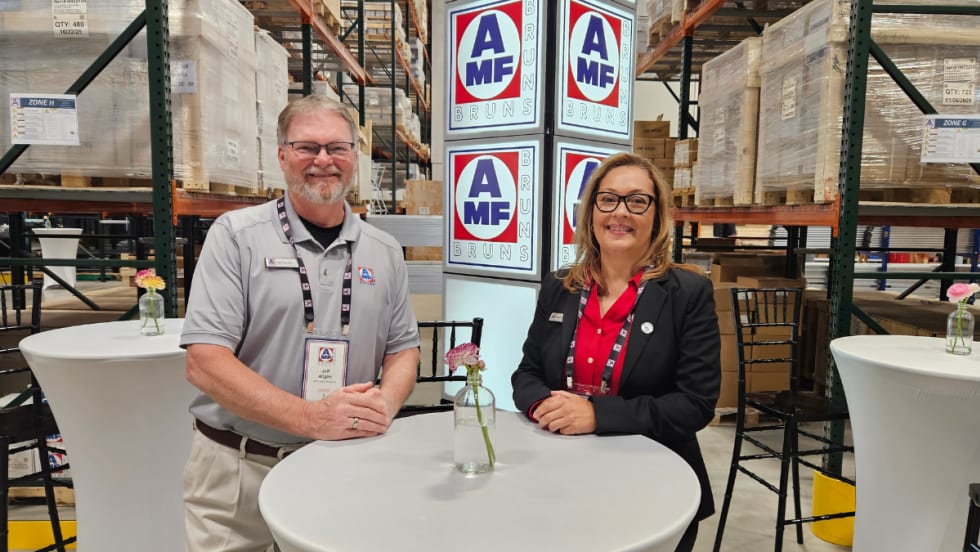
AMF Bruns Expands in Ohio, Investing in Growth and Community
With expanded production space, local investment, and a growing workforce, AMF Bruns is scaling its U.S. presence. Here’s an exclusive first look inside the new Stow, Ohio, HQ.
Read More →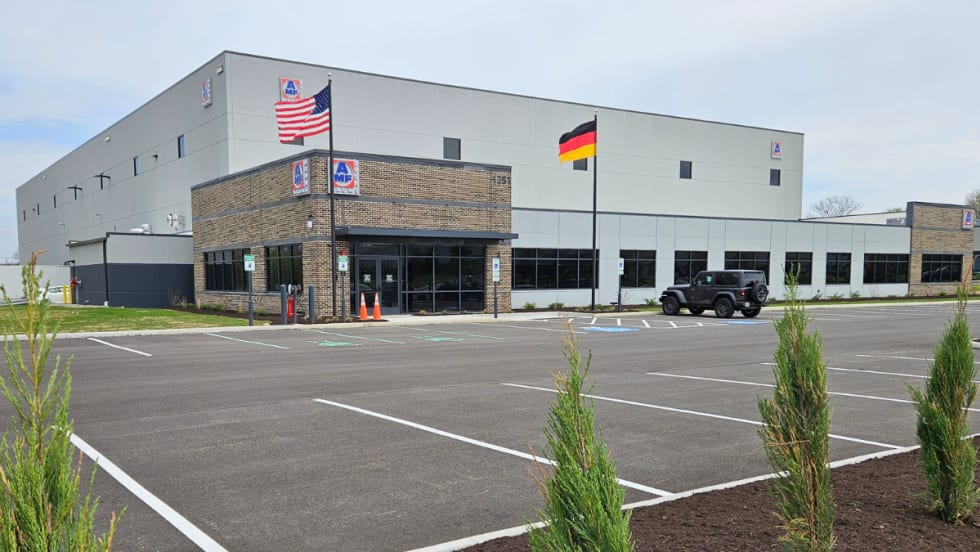
Inside AMF Bruns of America’s New Ohio Manufacturing Facility [Photos]
Take a behind-the-scenes look at AMF Bruns of America’s new 41,000-square-foot Stow, Ohio, headquarters, featuring advanced manufacturing, expanded space, and future-ready mobility solutions.
Read More →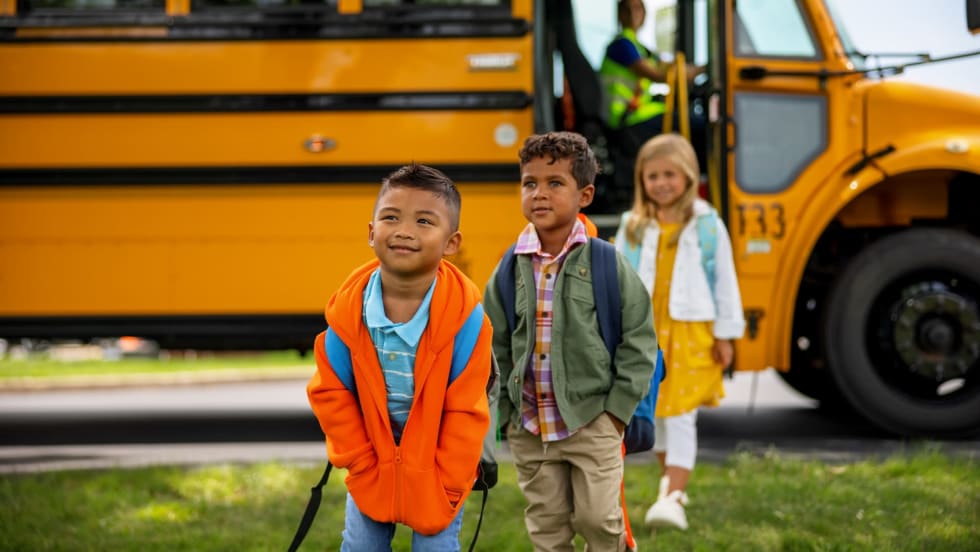
First Student Boosts Student Support in Wichita & Texas
First Student and Wichita Public Schools are using behavioral support strategies to improve student ride experiences, while a separate initiative expands access to after-school programs through a bus donation.
Read More →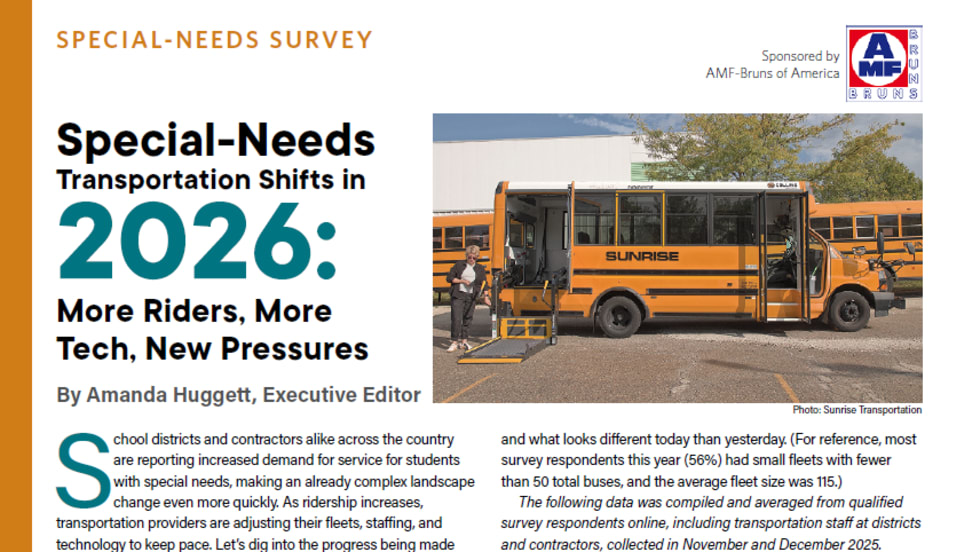
2026 Special-Needs Transportation Survey
What’s changing in special-needs transportation? This year, student transportation operators report a rising need, easing driver shortages, growing tech adoption, and evolving challenges. Sponsored by AMF Bruns of America.
Read More →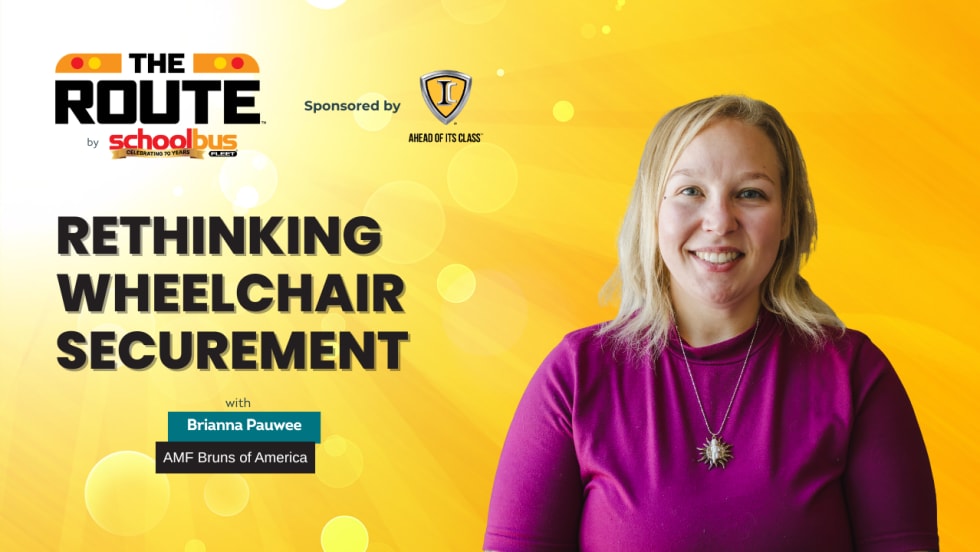
The Lived-Experience Gap in Mobility Tech: An Expert Take on Safe Student Transportation
Brianna Pauwee, a product application specialist at AMF Bruns of America and a wheelchair user, drops in to The Route to share practical securement and training insights, plus the story behind the new “Beyond Mobility” podcast. The Route is sponsored by IC Bus.
Read More →