




Paccar Parts Introduces Charging Stations for all Electric Vehicles
5 Questions: Jason Gillis on Electric Buses, Pandemic Protocols
Gillis, the transportation director for Everman (Texas) Independent School District, discusses the district’s integration of electric buses, what safety measures his department has deployed due to the COVID-19 pandemic, and why he wishes more people would consider a bus driving career.

Nicole Schlosser・Former Executive Editor

Jason Gillis is the transportation director for Everman (Texas) Independent School District.
Photo courtesy Everman Independent School District
4 min to read
Jason Gillis and his transportation team at Everman (Texas) Independent School District are pioneers in the state when it comes to electric school buses. The district added three Blue Bird Vision Electric school buses to its fleet — not only a first for them but for all Texas pupil transporters — in October. The district is already experiencing significant maintenance cost savings of up to 90% on fuel over the last couple months.
In this interview with School Bus Fleet, Gillis, the district’s transportation director, reveals the process behind the district’s integration of electric buses, what safety measures his department has deployed due to the COVID-19 pandemic, and why he wishes more people would consider a bus driving career.
1. How did you get your start in pupil transportation? Had you worked in another industry before?
I was a high school science teacher, coach, and bus driver, but also worked in auto parts part time when I was teaching. In college, I worked as a machine operator; mechanic; in parts and fuel sales; and even at some fast-food places while putting myself and wife through college.
2. Your district recently received the first electric school buses in the entire state. What prompted you and your team to add electric buses to your fleet? Are there any other alternative-fuel buses in your fleet?
We were originally looking to see what was available and found the EarthX [an international nonprofit environmental organization] meeting in Dallas in 2019, where multiple options were presented. We were looking for a healthier version — in terms of air quality, but also, no more spilled fuel on hands or the ground when fueling, or fluid and filter changes. We also wanted an option that made financial sense to our community, students, and parents. Electric buses were definitely viable, especially with Volkswagen (VW) settlement grant money. We do not have any other alternative-fuel buses in this fleet, but I have worked for another district that had alternative-fuel buses.
3. How is it going so far? What are the successes and lessons learned at this point?
We have placed each bus at a different school. At two of those schools, they only have that one bus. So, bus emissions have dropped by 100% at each school. We have saved quite a bit of money, since there is no diesel fuel being used on the electric buses. We are looking at a 90% savings in fueling costs over the last two months.
Since the buses have to be fueled every day, if there is ever an issue with a charger not working, we just plug the bus into one of the others during the day, instead of just at night, when they are normally charged.
Patience is key in the process, taking into account what fiscal year the district will need to allocate funds, as it will take eight to 10 months to build the buses. Our charging station only took a few weeks to build, but it was difficult trying to find a charger for a school bus when we had no other districts in Texas to ask. Once the buses came in and we found that they do drive a little differently, we put in some training for the drivers who were assigned the routes.
4. Of course, this is all impacted by the pandemic. How many students has your department been transporting since the fall, and what protocols do you have in place?
We are transporting about one-third (500 to 700) of the students we normally do. We check temperatures before students get on the bus, students use the automatic hand sanitizer dispensers that we installed on the buses, and they are required to wear masks. Students sit by themselves unless they need to sit by someone from the same household. Once the drivers are done with their routes, they sanitize the interior of the bus and wipe down high-touch areas.
5. What do you wish people outside the world of student transportation knew about it?
I wish more people would be willing to give bus driving a try. It is a very fulfilling job, and even though hours are early and late, we can be a key influence in kids’ lives; oftentimes we are the first and last school officials those kids see in a day, and sometimes the first and last adults they see for the whole day. I like getting to work with students, parents, and district staff. It helps that our drivers and aides in our transportation department are awesome, and always put kids first. It’s nice to know you make a difference.
Subscribe to Our Newsletter
More Alternative Fuels

CALSTART and Forth Combine to Form Catalyst Mobility
The new name represents a renewed vision for the nonprofit focused on advancing clean, equitable, and affordable transportation solutions that move people and goods.
Read More →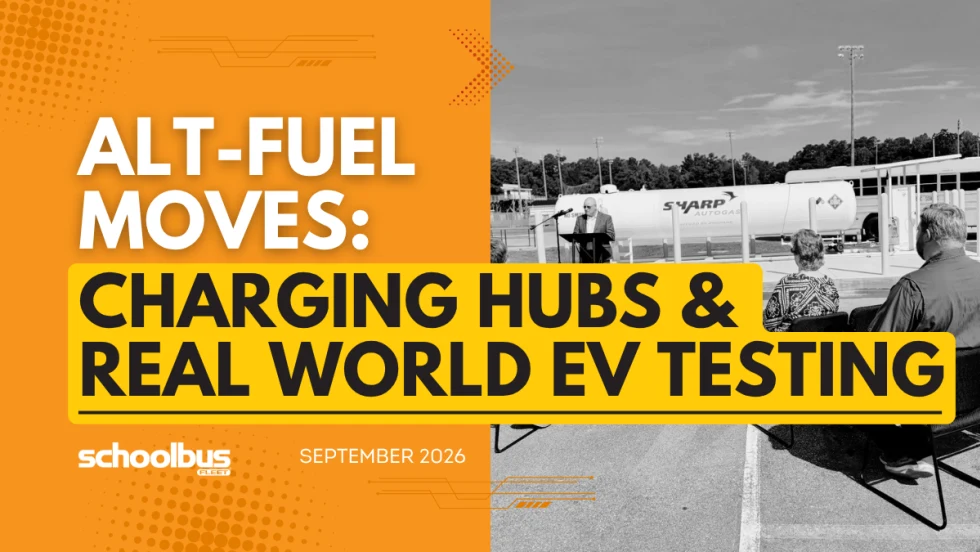
Alt-Fuel Moves: New Buses, Charging Hubs & Real-World EV Testing
Propane and electric school bus deployments continue to grow as districts add new vehicles, expand charging infrastructure, and gather more real-world operating data.
Read More →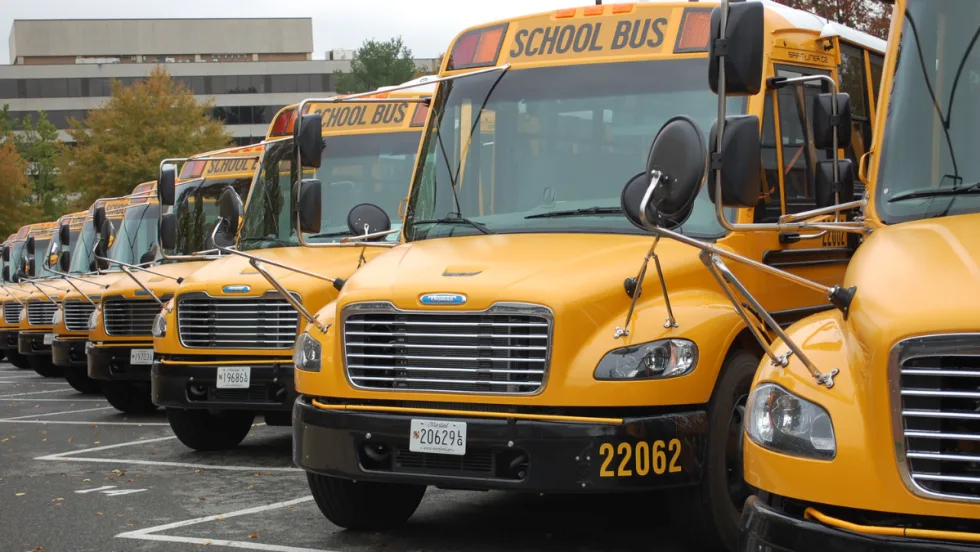
Fewer Electric School Bus Models Reshape the U.S. Market
WRI’s latest buyer’s guide points to a consolidating electric school bus market, but fewer options may reflect a maturing industry rather than fewer meaningful choices for school bus operators.
Read More →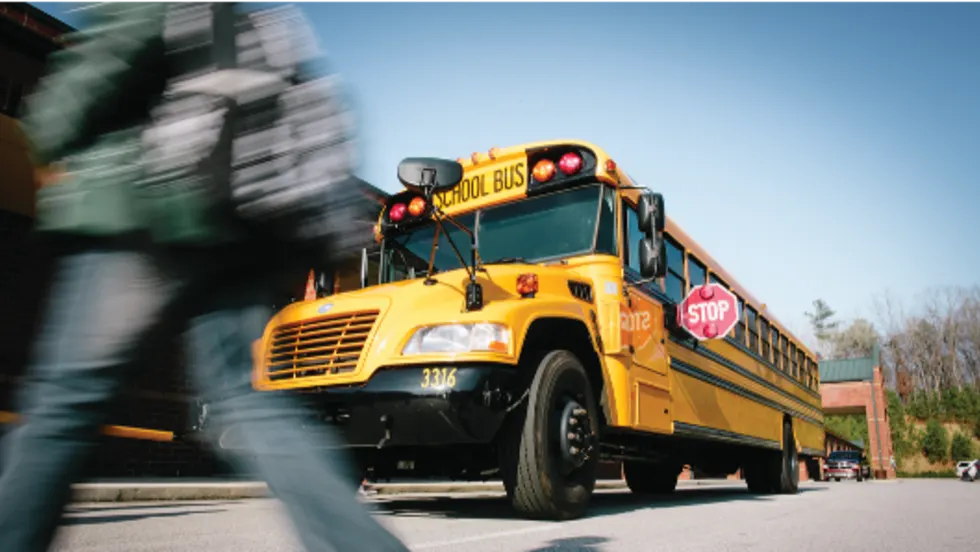
The Fuel Budget You Can Actually Predict: How Propane Autogas Keeps Money in the Classroom
Learn how propane autogas helps school districts manage fuel costs with predictable pricing, lower maintenance, and reduced emissions from former transportation director Joel Stutheit.
Read More →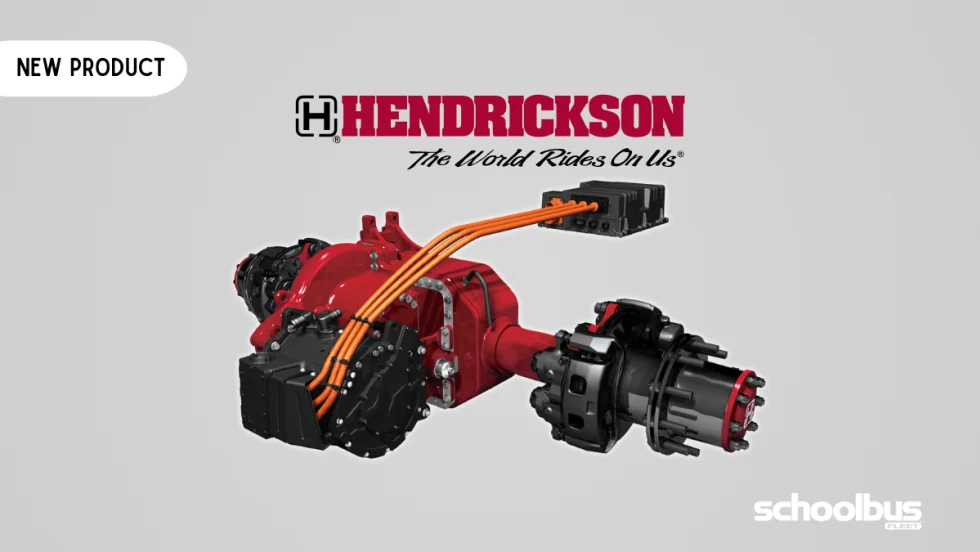
Hendrickson, Driventic Introduce New Electric Powertrain for School Buses
ELECTRAAX, the electrified, lightweight drive axle offers integrated ePowertrain efficiency and modular flexibility for Class 6–7 school bus use.
Read More →
The Mobility House Joins PowerFlex in Fleet Electrification Deal
The acquisition combines intelligent charging software, bidirectional charging expertise, and fleet electrification services to support the growing adoption of electric school buses across North America.
Read More →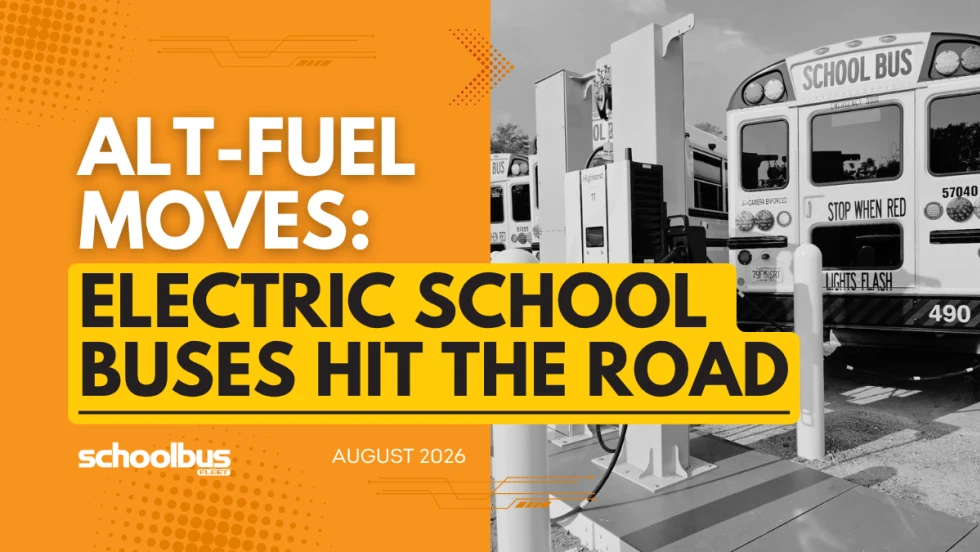
Alt-Fuel Moves: Electric School Bus Investments Hit the Road
See which districts across the U.S. are putting electric school buses into service, expanding charging infrastructure, and planning the next phase of fleet electrification.
Read More →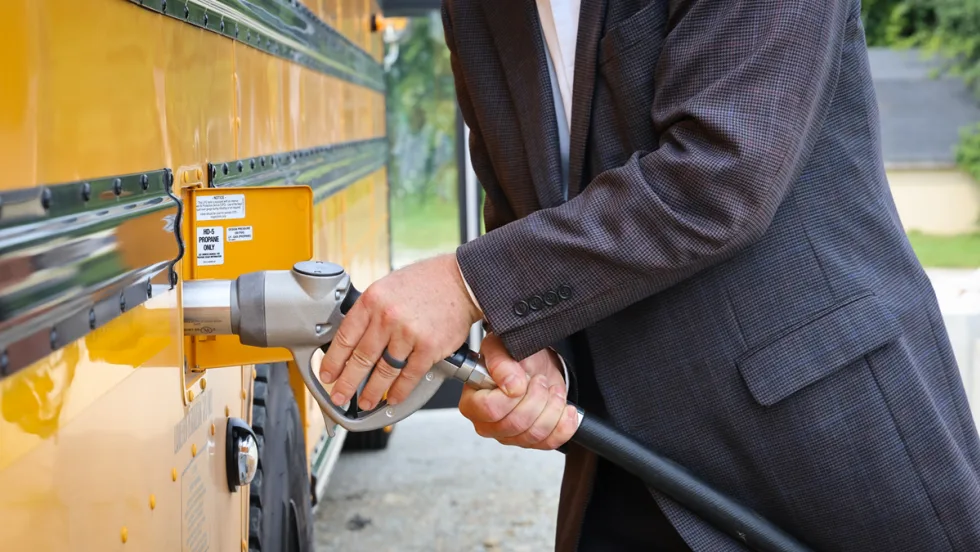
With Fuel Volatility Ahead, School Districts Turn to Propane
While diesel prices peaked above $5 this spring, districts with propane autogas-powered fleets paid under $2 per gallon, according to PERC.
Read More →
EPA Unveils Proposed Changes to 2027 Heavy-Duty Engine Rules
The federal agency has proposed changes to next year’s targets that would eliminate DEF derates, ease warranty requirements, and retain current NOx emissions standards.
Read More →
Alt-Fuel Moves: EV Charging & Infrastructure Projects Gain Momentum
The latest developments include new funding, charging infrastructure, utility investments, and fleet technologies designed to support the transition to electric school buses nationwide.
Read More →