





Wheels of Wisdom: Extending the Life of School Buses in Your Fleet?
3 ChatGPT Prompts for Optimizing Winter Weather Preparedness
Empower your school transportation team with expertly crafted prompts, guiding you through comprehensive winter weather planning, vehicle maintenance, and emergency response strategies.
October 11, 2023
Compare your preparation plans to what ChatGPT suggests and let us know: are the prompts effective or do you have a better way?
Photo: School Bus Fleet
7 min to read
As the winter season approaches, school transportation professionals face the critical task of navigating treacherous weather conditions while ensuring the safety and reliability of their bus operations.
In this guide, we present three ChatGPT prompts carefully designed to empower transportation directors and managers with the knowledge and strategies needed to tackle winter weather challenges head-on. From crafting a robust winter weather preparedness plan to maintaining school buses effectively during the cold months, and making informed decisions regarding delays and cancellations, these prompts offer a roadmap for safeguarding students and staff during harsh winter conditions.
Crafting Your Winter Weather Preparedness Plan
Prompt: Please provide a comprehensive winter weather preparedness plan for school bus operations. Include details on pre-storm preparations, communication protocols, driver training, and emergency response procedures.
Winter Weather Preparedness Plan for School Bus Operations:
Pre-Storm Preparations:
Monitoring Weather Conditions:
Designate a staff member responsible for monitoring weather forecasts and alerts.
Use reliable weather forecasting services to track impending winter storms.
Preventive Maintenance:
Conduct thorough inspections and maintenance of all buses before the winter season begins.
Ensure buses have appropriate winter tires, antifreeze, and working heating systems.
Stock up on essential supplies, including salt, sand, and snow chains.
Communication and Coordination:
Establish communication channels with local meteorological services for real-time updates.
Maintain regular contact with local law enforcement and road maintenance authorities.
Collaborate with other school districts for information sharing and coordination.
Communication Protocols:
School Community Notifications:
Develop a clear and concise communication plan for notifying parents, students, and staff about weather-related changes.
Use various communication methods, such as automated phone calls, text messages, email, and social media.
Timely Updates:
Provide regular updates on the status of bus routes, delays, or cancellations as conditions change.
Clearly state the criteria for decisions regarding delays or cancellations.
Emergency Contact Information:
Ensure that all parents and guardians have up-to-date emergency contact information on file.
Establish a hotline or contact point for parents to inquire about bus service during inclement weather.
Driver Training:
Winter Driving Training:
Conduct mandatory winter driving training sessions for all bus drivers.
Train drivers on handling icy roads, snow, and emergency procedures in winter conditions.
Emergency Procedures:
Ensure drivers are familiar with emergency response protocols, including communication and passenger safety measures.
Train drivers in the use of tire chains and other winter driving equipment.
Communication Skills:
Train drivers in effective communication with passengers and school officials during weather-related disruptions.
Emergency Response Procedures:
Decision-Making Criteria:
Define clear criteria for making decisions on school bus delays, early dismissals, or cancellations.
Consider factors such as road conditions, visibility, and local emergency alerts.
Alternative Routes:
Develop alternative bus routes for extreme weather scenarios or road closures.
Ensure that drivers are familiar with these routes and have maps on board.
Emergency Kits:
Equip each school bus with emergency kits containing blankets, flashlights, first-aid supplies, and non-perishable food.
Instruct drivers on how to use these kits in case of emergencies.
Emergency Contacts:
Maintain a list of emergency contacts for each bus, including local authorities and nearby schools.
Ensure drivers have access to this information.
Post-Event Evaluation:
After a winter weather event, conduct a debriefing session to evaluate the response and identify areas for improvement.
Use feedback to refine the winter weather preparedness plan for future use.
By implementing this comprehensive winter weather preparedness plan, school transportation directors can prioritize the safety of students, drivers, and staff during challenging winter conditions.
Ensuring School Bus Reliability with Winter Maintenance
Prompt: What are the best practices for maintaining school buses during the winter season to ensure safety and reliability? Please outline preventive maintenance schedules, inspection checklists, and cold-weather equipment recommendations.
Preventive School Bus Maintenance Schedules:
Regular Maintenance Calendar:
Establish a clear preventive maintenance calendar that includes routine checks for each bus throughout the winter season.
Schedule maintenance sessions at least monthly or more frequently during severe weather conditions.
Oil and Fluid Changes:
Change engine oil and other fluids as recommended by the manufacturer.
Use cold-weather-grade engine oil to ensure proper lubrication in low temperatures.
Battery Maintenance:
Test and maintain the bus batteries to ensure they can start reliably in cold weather.
Clean and inspect battery terminals, cables, and connections regularly.
Coolant System Checks:
Check the antifreeze level and condition regularly to prevent freezing.
Ensure the coolant mixture is appropriate for cold temperatures.
Heating System Inspection:
Inspect and maintain the bus's heating system, including the heater core and blower motor.
Ensure that heaters are working efficiently to keep passengers warm.
Inspection Checklists:
Tire Maintenance:
Regularly inspect tire tread depth and condition.
Ensure that winter tires are properly installed and have adequate tread for traction on snowy and icy roads.
Brake System Inspection:
Check the condition of brakes, including brake pads, rotors, and brake lines.
Ensure that the ABS system is functioning correctly.
Exterior Lighting:
Inspect all exterior lights, including headlights, taillights, and turn signals.
Replace any burnt-out bulbs promptly.
Wipers and Defrosters:
Verify that windshield wipers and defrosters are in good working condition.
Replace wiper blades if they are worn or damaged.
Emergency Equipment:
Ensure all emergency equipment, such as fire extinguishers, first-aid kits, and emergency exits, is in proper working order and easily accessible.
Cold-Weather Equipment Recommendations:
Winter Tires:
Equip school buses with winter tires designed for improved traction in snow and ice.
Block Heaters:
Consider installing engine block heaters to keep the engine warm overnight and aid in cold-weather starts.
Fuel Additives:
Use winter-grade diesel fuel with appropriate additives to prevent gelling in extreme cold.
Snow Chains:
Keep a set of snow chains on each bus for use in severe winter conditions.
Emergency Supplies:
Equip each bus with emergency supplies, including blankets, flashlights, and non-perishable food items in case of breakdowns or delays.
Driver Training:
Train bus drivers in cold-weather driving techniques and how to use winter equipment effectively.
Sheltered Parking:
Whenever possible, park buses in a sheltered, heated facility to prevent extreme cold from affecting critical components.
By following these best practices for maintaining school buses during the winter season, transportation directors can help ensure the safety and reliability of their fleet, reducing the risk of accidents and disruptions due to cold weather.
Deciding Delays, Cancellations, and Alternate Routes
Prompt: Create a step-by-step guide for making decisions regarding school bus delays, cancellations, or alternate routes due to severe winter weather conditions. Include criteria for assessing road safety, communication methods with parents and staff, and coordination with local authorities.
Step 1: Early Monitoring and Preparation
Designate a Winter Weather Coordinator: Appoint a staff member responsible for monitoring weather forecasts and road conditions during the winter season.
Weather Forecast Evaluation: Regularly monitor weather forecasts and alerts from reliable sources.
Preventive Maintenance: Ensure all buses are in good working condition with proper winter equipment, such as snow tires and block heaters.
Step 2: Establish Decision-Making Criteria
Define Criteria: Establish clear, objective criteria for making decisions regarding delays, cancellations, or route changes. Criteria may include:
Temperature thresholds
Snowfall accumulation
Road conditions (icy, unplowed, or hazardous)
Visibility levels
Step 3: Monitor Conditions
Continuous Monitoring: Continuously monitor weather conditions as the day progresses, especially early in the morning and during bus route times.
Road Inspection: Local transportation authorities or bus drivers should assess road conditions, considering the established criteria.
Step 4: Decision-Making Process
Internal Consultation: Gather input from key staff members, including transportation supervisors, drivers, and meteorological experts, if available.
Decision Point: When the weather conditions meet or exceed the predefined criteria, convene a decision-making team to assess the situation.
Step 5: Decision Options
Delay Options:
Consider implementing a delayed start to allow for road clearing and improved conditions.
Determine how much delay time is necessary for safety.
Cancellation Considerations:
If conditions are too hazardous for travel, consider canceling school for the day.
Ensure that the cancellation decision is communicated promptly.
Alternate Routes:
Identify alternate bus routes for extreme weather scenarios or road closures.
Ensure drivers are familiar with these routes and have maps on board.
Step 6: Communication with Stakeholders
Parent and Guardian Notification:
Use multiple communication channels (automated phone calls, text messages, email, social media) to notify parents and guardians of any delays, cancellations, or alternate routes.
Clearly communicate the reason for the decision and any expected impacts on the school day.
Staff Notification:
Notify all relevant staff members, including bus drivers, teachers, and school administrators, about the decision and any changes.
Step 7: Local Authority Coordination
Contact Local Authorities:
Notify local law enforcement agencies and road maintenance authorities about your decision to ensure coordination and safety.
Seek their input on road conditions and any additional recommendations.
Emergency Response Plan:
Ensure that local emergency services are aware of your decision and have access to bus routes and schedules in case of emergencies.
Step 8: Monitoring and Feedback
Continuous Monitoring: Continue to monitor weather conditions throughout the day and adjust plans as needed.
Feedback and Evaluation:
After the winter weather event, conduct a debriefing session to evaluate the response.
Gather feedback from staff, drivers, and parents to identify areas for improvement.
By following this step-by-step guide, ChatGPT reports, school transportation directors can make informed decisions regarding school bus delays, cancellations, or alternate routes during severe winter weather conditions, prioritizing the safety of students and staff.
What procedures do you follow in your school transportation operation? Is it anything like ChatGPT recommends? Is the advice recommended here off base compared to your experience as a transportation professional? Let us know!
Subscribe to Our Newsletter
More Maintenance
Sponsored•September 8, 2026
The Essential Guide to School Bus Maintenance and Student Safety
Your district's buses carry students to school every day. This guide shows how predictive maintenance powered by fleet data helps keep buses reliable, drivers accountable and students safer from the first bell to the last stop.
Read More →
Kerry Brothers Grows Michigan School Bus Repair Network
The acquisition of Downriver Truck and Bus expands Kerry Brothers’ school bus maintenance footprint across southeast Michigan, adding repair capacity, diagnostic resources, and state inspection support.
Read More →
Noregon Introduces CAN Bus Diagnostic Tool, Expands JPRO Features
CAN Mentor and the latest JPRO update aim to simplify vehicle network diagnostics and improve repair efficiency for technicians of all experience levels.
Read More →
Cummins on Smarter, Simpler Engine Innovation
Cummins discusses its first-ever gasoline engine for school buses, EPA 2027, and why bus fleets still want durable, simpler internal combustion options.
Read More →
Report: 72% of Diesel School Buses Now Use Advanced Low-Emission Engines
New data shows advanced low-emission diesel technology continues expanding across school bus fleets, even as electric bus adoption gains momentum.
Read More →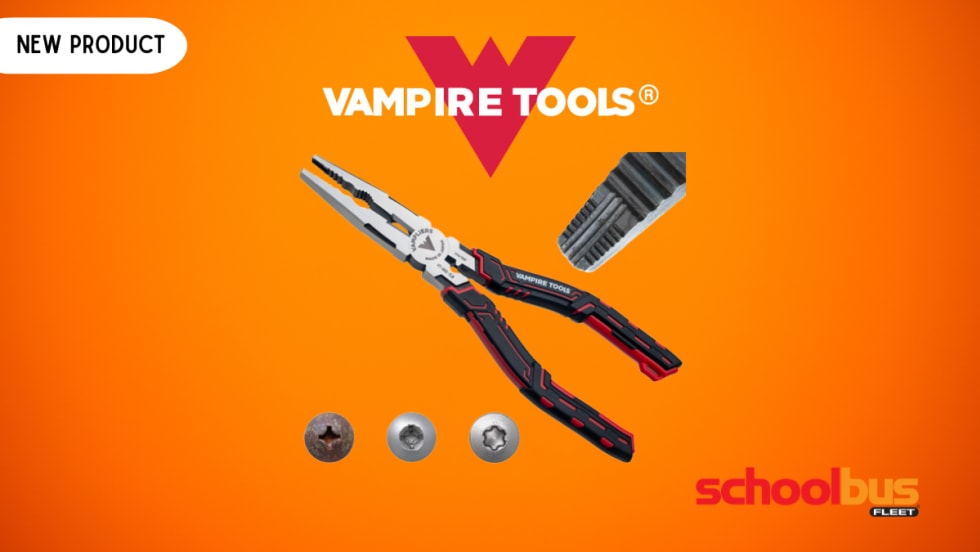
Vampire Tools' CAIMAN 7.5-Inch Multi-Purpose Screw Extractor Long-Nose Pliers with Crimper
Vampire Tools introduced the VAMPLIERS Caiman 7.5-inch multi-purpose pliers, combining screw extraction, cutting, crimping, and gripping functions into a single tool designed for fleet maintenance professionals.
Read More →
How Advanced Diagnostics Helps Bus Fleets Stay Ahead of Repairs
Chat with Noregon’s Kevin Smallhorn at ACT Expo about bus diagnostic tools, telematics integration, CNG maintenance support, and strategies to help reduce downtime and improve uptime.
Read More →
How School Bus Fleets are Getting Ahead of Breakdowns
Don’t let bus downtime wear you down. Here’s how bus operators are shifting from manual processes to AI-powered, data-driven maintenance systems for improved reliability and safety.
Read More →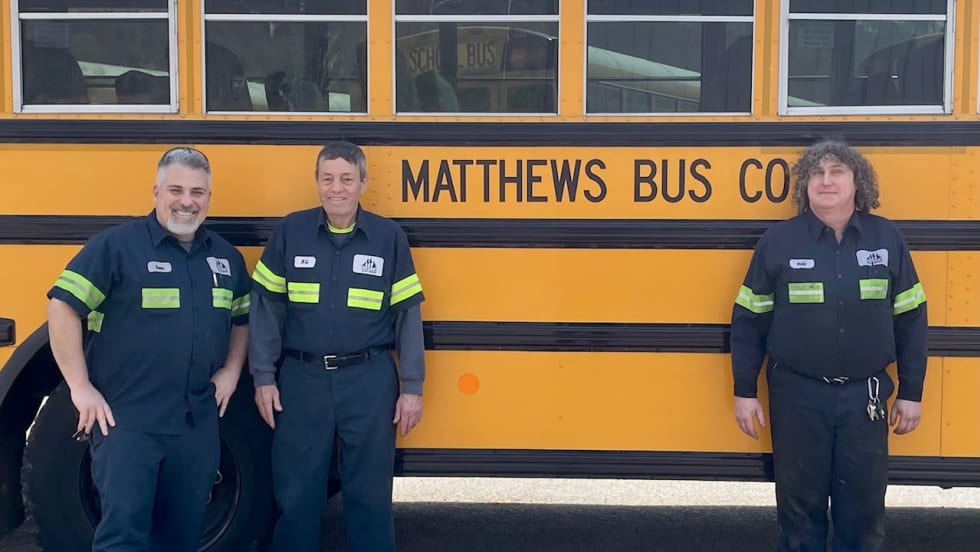
Pennsylvania School Bus Maintenance Team Praised for Dedication to Safety
Matthews Bus Company’s West Jefferson received a letter of commendation from the Pennsylvania State Police for their fleet inspections.
Read More →
Sponsored•April 16, 2026
From Chaos to Clarity: How School Districts Are Running Leaner Transportation Operations
Covering 38 routes on a Friday afternoon. Buses idling while routes overlap. Parents calling nonstop about late arrivals. Sound familiar? This whitepaper explores how district transportation leaders solved these exact problems — and what measurable results followed.
Read More →