




10 Good Reasons to Build a New Transportation Facility
Across America, dedicated transportation professionals work in facilities that have far exceeded their useful life. They have watched as their com...
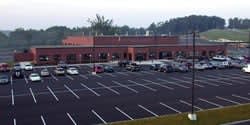
Across America, dedicated transportation professionals work in facilities that have far exceeded their useful life.
They have watched as their communities, fleets, student population and staff have steadily grown — without commensurate expansion, improvement or replacement of their 30-, 40- or even 50-year-old facilities.
Rarely is the impact on the school transportation facility considered in this growth process. There is, however, an extreme impact on the transportation department, often resulting in low morale and productivity, environmental issues and serious health and safety concerns for both employees and the community as a whole.
If you are dealing with a severely outdated facility, this article may provide you with some prompts to use as you begin the long and difficult process of convincing the people above you that your department needs the attention and dollars you say it does.
One word to the wise before you step into this risky territory: Building a new transportation facility requires a significant investment of taxpayer or corporate funds. Always present yourself and your ideas in a responsible, organized fashion. Clearly understand the difference between needs and wants. There is a difference between planning for the future and building a kingdom. Telling your bosses that you need a new $5 million facility — when all you need is expanded parking for 20 buses — can greatly weaken their respect for your decision making. Know before you go!
1. Pinched for land
Forty years ago, when your bus garage was constructed, it was a sprawling facility, capable of comfortably parking 10 buses and the staff to go with them. Forward thinkers even planned for the addition of 10 more buses and staff just in case the area grew.
But here we are today, and there has been growth everywhere, including the area adjacent to your lot — apartments directly next door, a convenience store behind and a new access road for a supermarket on the other. Believe it or not, there are now 50 buses, and more could be in the offing.
If you are landlocked, you’re out of luck. A preliminary search should commence to see if there are large, properly zoned parcels in your service area. Don’t ask to relocate if you have no idea what location is available or what area could work for your operation.
In seeking land, consider long-term plans for the surrounding properties, proximity to interstate highways and traffic patterns in that immediate area. Also, try not to tip your hand too soon as to who is looking for the property if you want to keep the purchase price reasonable.
2. Deceptive growth
If your facility is at least 20 years old, you have probably outgrown it. Most operations have seen their fleets double if not triple in size since the original construction of the facility. Check old records prior to making your pitch for a new building or an expansion. School boards that have added one bus here and one bus there over 30 years are surprised to find that they have added 50 buses and never really thought about the impact on your facility.
3. Fender benders
Right up front, let me make it clear that in most cases I believe drivers are solely responsible for the operation of their buses. They must answer for any damage that occurs while it is under their care. That said, cramming 100 buses into an area designed for 50 is simply asking for trouble. Scraped paint, dents, bent bumpers, broken lights and mirrors can make even a fairly new fleet look shoddy.
Also, asking drivers to make tricky driving maneuvers simply to park their buses each day can wear on the skills and patience of even the best drivers. Study each of these minor incidents carefully and decide for yourself if you have a serious training issue or if it is simply time to move to a larger facility.
4. Increasing congestion
Many transportation operations were originally built in an area close to the center of town or where most of the growth was at the time of construction. In those days, many households were one-car families, and traffic never seemed to be a problem.
Fast forward to 2004. Traffic has grown substantially, with many households having three or more vehicles. Congestion at peak school pick-up and drop-off times has also grown considerably. Study the traffic patterns in your area. If you are trying to get an entire fleet of buses to enter and exit on a major thoroughfare in town, you may have a serious accident just waiting to happen. Locations outside of your town center, possibly in areas zoned for business or light industrial, are best suited for our type of operation. Also, locations near major throughway or interstate entrance and exit ramps can be helpful.
5. Personal parking woes
It would reduce some of the stress on our facilities if all we had to add was buses; however, as the fleet grows, so does the number of personnel required to operate and maintain the buses.
Fifty buses added to your fleet over time means you would add 40 to 60 drivers, at least two mechanics and possibly an additional clerical person or driver trainer.
These people have to get to work somehow, and that means additional employee personal vehicles. If your staff members are parking inside your bus parking area, down the street or around the corner, additional parking is needed, and this should be considered as you make your case for additions or new construction.
Keep in mind that spacious and ample employee parking is not a birthright. Many people walk blocks to work or pay daily rates. But employee morale and absenteeism can become an issue if there are parking problems.
6. Tight squeeze on fuel
Obviously, the fuel demands of a 140-bus fleet are much greater than those of a 40-bus fleet, which is a problem if you have 140 buses and a facility designed for 40 buses. If you currently have small or outdated bulk petroleum storage equipment at your facility, you are most likely forced to order and receive fuel shipments more frequently. Also, if you are running a single-pump system, the time drivers spend waiting to fuel can add significantly to your payroll costs.
A modernized, computer-controlled, multi-pump fueling island may be the answer. Another huge concern is the fact that you may have aging underground tanks. If you have not done any type of testing on them recently, you may be in for a poorly timed and unexpected surprise. Antiquated fuel and waste oil storage systems can provide another great reason for planned, budgeted modernization or construction.
7. Opportunity for sharing
As school districts have grown, so have their ancillary services. At many districts you see buildings and grounds, food service, central store and shipping and receiving occupying the same structure. Rest assured, if your bus fleet has grown so has the need to feed and supply the children being transported on those buses. Various departments sharing the same cramped facility can be a compelling reason to build.
On the other hand, if your operation currently is on its own, a proposal to move services into a new, shared facility might be embraced. Consolidation is a term on the minds of many cost-conscious people who do not want to reduce services but who do desire to reduce costs for managing or housing them.
8. Adding office space
In the days when one person managed a small fleet and before regulation after regulation was loaded upon us, a desk in the corner of the break room or a single office for the boss seemed appropriate.
Today there can be supervisors, dispatchers and clerical personnel sharing the same small office area. It can be almost impossible to have sensitive discussions, employee or parent meetings or disciplinary conversations without a set of ears close by.
Also, with the volume of personal medical, educational and special-needs information for both drivers and students crossing our desks on an almost daily basis, you can build a case for modernized administrative offices with clear boundaries.
9. Curbing emissions
This article is about bus garage construction, not another chapter in the ongoing debate about diesel emissions, so I will tread lightly and stick to the subject.
One thing to keep in mind, no matter what side of the emissions argument you are on, is that 100 diesel buses running in unison cannot be healthy for your staff, let alone our children.
Ask yourself how many campuses house transportation centers and school buildings in close proximity of each other. Think about the daily fleet moves where morning and afternoon routes require the almost simultaneous starting of all your diesel engines. Ponder the effects of the massive blue cloud getting sucked into the heating and ventilation systems of a nearby elementary building and the daily dose of exhaust these children receive.
If your fleet shares parking with a school building, you should consider moving your bus fleet away from your school. On the positive side, think of the added parking for school events that the school would gain for staff and visitors as a result of your move.
10. The timing is right
One thing we know for sure is that prices continue to rise and government budgets continue to shrink. If you have a plan already drawn up for a facility, rest assured it will cost 5 to 10 percent more annually to build. Also consider the fact that some states have offered state aid for projects like yours, and the time may be now. Let’s face it though, the handwriting is on the wall. State aid in most cases will disappear in the near future, so if your operation is serious about building, you should move quickly to capitalize on construction benefits and incentives.
Michael P. Dallessandro is transportation supervisor at Lake Shore (N.Y.) Central School District and a frequent contributor to SCHOOL BUS FLEET.
More Management

Changing Lanes: AMF Bruns, Pro-Vision, CALSTART, HopSkipDrive, & Kooner
Check out who's been hired, promoted, and appointed to leadership positions at various school transportation industry suppliers and nonprofits.
Read More →
NCST Announces 18th Congress Event Dates, New Committees
The National Congress on School Transportation moves to St. Louis in May 2029, convening delegates and industry representatives to discuss new best practice recommendations. Now, the new committee chairs have been named.
Read More →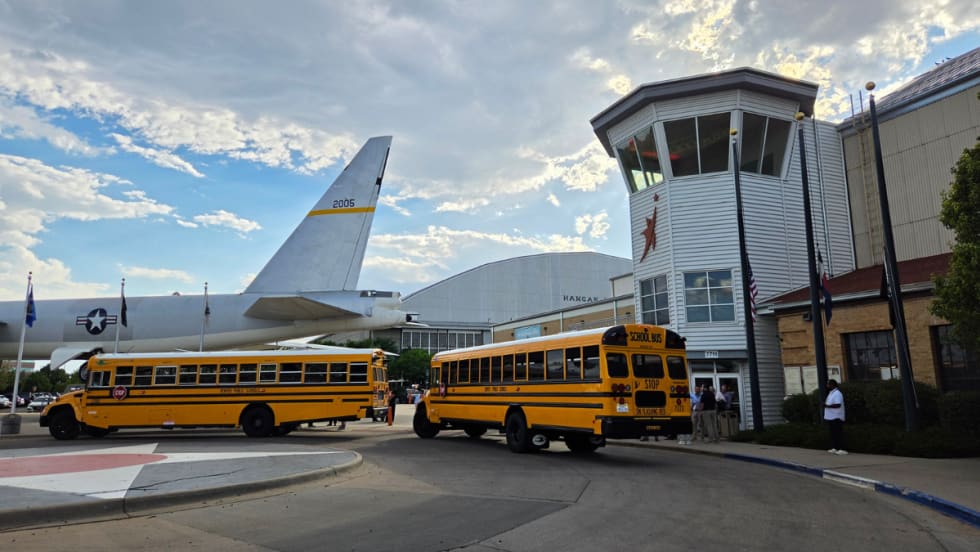
Key Moments from the 2026 NSTA Annual Meeting in the Mile High City
From federal policy updates and OEM presentations to speed networking and industry awards, see photos and highlights from the contractor association’s summer conference in Denver.
Read More →

HopSkipDrive Launches Spanish-Language App Update, Plans Additional Language Support
The update aims to improve communication with multilingual families by offering ride tracking, notifications, and support in Spanish, with more languages planned for the 2026-2027 school year.
Read More →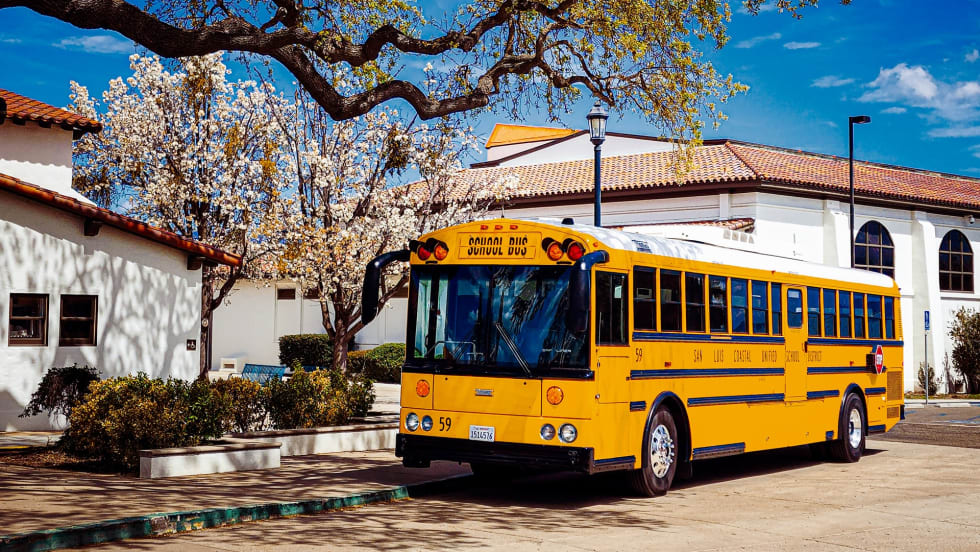
Where the Yellow Bus Takes Us: School Bus Fleet's 2026 Photo of the Year Winners
See the winning photos from School Bus Fleet's 2026 Photo of the Year contest, featuring stunning school bus images from across the U.S., from scenic landscapes to everyday moments.
Read More →
Why Emotional Intelligence Matters in Student Transportation
Learn the five key elements that bus drivers and transportation directors can use to stay calm in any situation.
Read More →
2026 Back-To-School Readiness Report
Staffing gaps, flat budgets, and the distance between “mostly prepared” and ready for the 2026-2027 school year.
Read More →
National School Transportation Association Presents 2026 Award Winners
Twenty-one individuals and contractor companies were recognized for excellence in student transportation at NSTA's annual meeting and convention in Denver.
Read More →
School Transportation Data Is Only as Powerful as the Story It Tells
Leaders say turning operational metrics into student-centered narratives can help districts justify investments and improve service.
Read More →
Photos: NYAPT Celebrates 50 Years at 2026 Conference & Trade Show
See highlights from NYAPT's 50th anniversary conference in Saratoga Springs, featuring educational sessions, awards, a trade show, networking, and more.
Read More →