





How to Claim the $40,000 Tax Credit for Your Electric School Bus
Oklahoma District Debuts 6 Electric School Buses at Back-to-School Event
The new electric buses joining the Cache Public Schools fleet are partly funded by a $2 million Clean School Bus Program award.
August 13, 2025

The new electric buses offer air-conditioned rides for students while cutting fuel and maintenance costs by more than half, the district reports.
Photo: Bethany Leigh Photography
2 min to read
During its recent annual back-to-school night, Cache Public Schools in Oklahoma unveiled six new electric school buses. The rollout marks a major step in the district’s efforts to modernize transportation for its 2,000 students.
In partnership with Highland Electric Fleets, the district is adding six Thomas Built Type C electric buses paired with six Tellus 30kW DC chargers to its fleet. The initiative is partly supported by an award of approximately $2 million from the U.S. Environmental Protection Agency’s Clean School Bus Program.
The new fleet is expected to cut fuel and maintenance expenses and reduce overall transportation costs, with initial estimates showing more than 50% savings in total cost of ownership, according to a district release. These new buses also feature air conditioning, a major upgrade for students during warm Oklahoma rides to and from school.
“Bringing these six buses to Cache is a step toward a cleaner, quieter future for our students and our community,” Chad Hance, superintendent of Cache Public Schools, said. “This change not only helps us save money over time, but it also shows how thoughtful planning can lead to real benefits for students. We’re excited to see the buses in action as school begins this week and proud to be a leader in EV innovation for SW Oklahoma schools.”
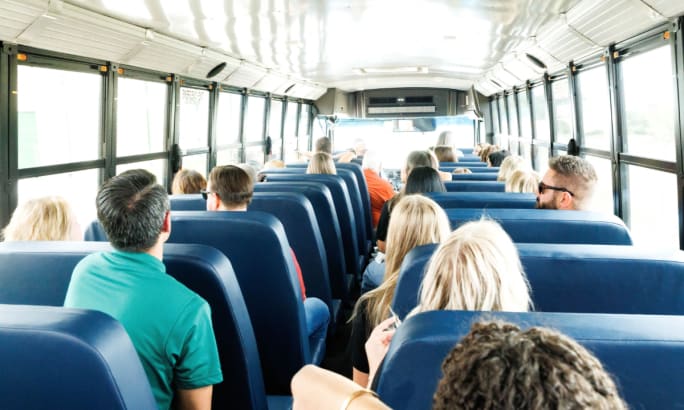
Attendees rode new electric buses and toured Cache Public Schools’ charging stations at the August 11 back-to-school event.
Photo: Bethany Leigh Photography
New Cache Public School District Electric Buses Hit the Road
Once in operation, the new electric buses will serve daily routes across the Cache public school district, averaging about 50 miles per day. The district partnered with Highland Electric Fleets to oversee the project, which included vehicle delivery, charger installation, and ongoing maintenance and support. The district secured its electric vehicles through Midwest Bus Sales.
“By making the shift to electric school buses, Cache is not only creating a cleaner ride for students, but also taking control of long-term transportation costs,” said Joshua Williams, senior midwestern regional manager of Highland Electric Fleets.
During the back-to-school event on Monday, August 11, attendees were invited to ride on one of the new electric buses and join a guided tour of the district’s new charging infrastructure.
More Alternative Fuels
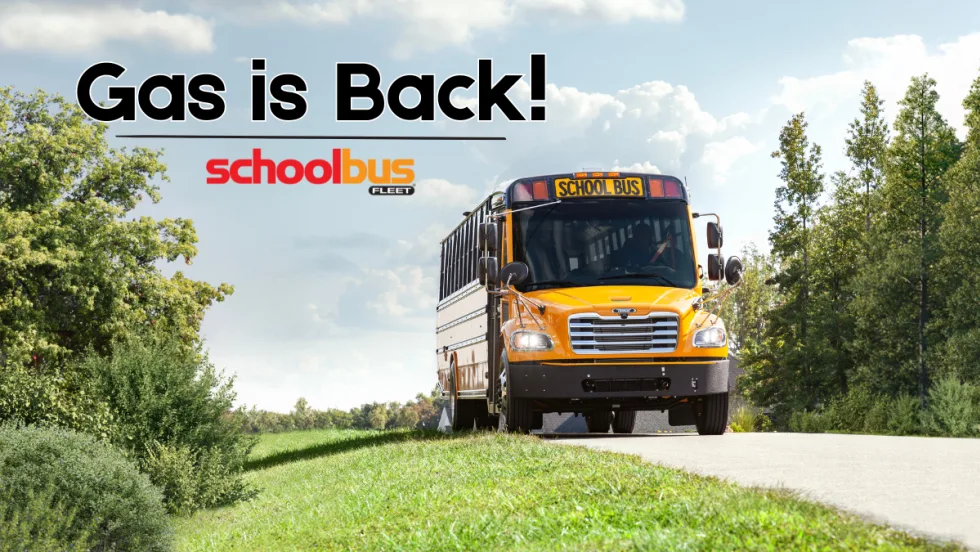
Why Gasoline School Buses Are Making a Comeback
Gasoline is gaining ground in full-size school buses. See how today’s options stack up against diesel on cost, maintenance, emissions, performance, and more.
Read More →
EPA Opens $180M DERA Funding Round for Diesel Upgrades
The 2026 Diesel Emissions Reduction Act program seeks applications from eligible organizations to accelerate the retirement of legacy diesel vehicles.
Read More →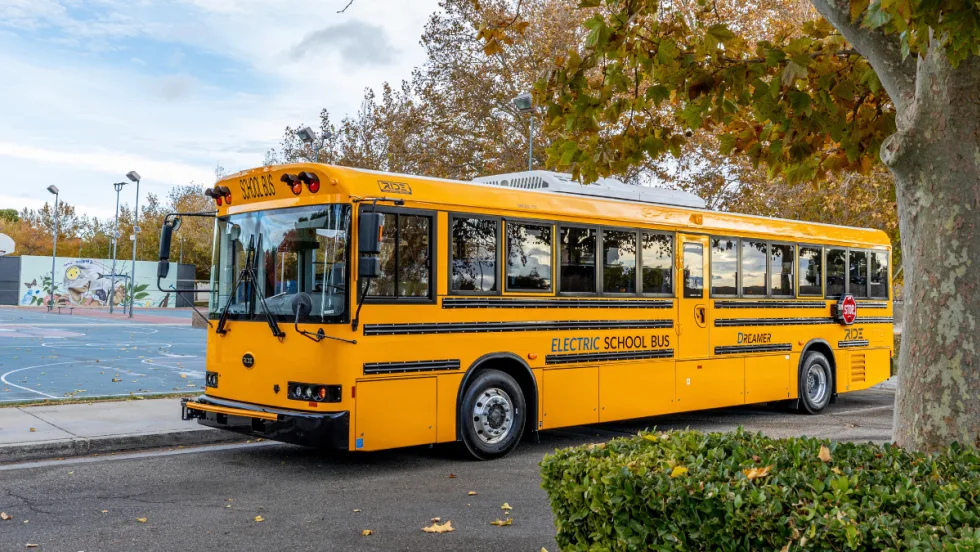
The Secret Life of an Electric School Bus Battery
Batteries change throughout years of daily routes, but degradation doesn’t necessarily mean the end. Here’s what operators should know about performance, safety, and second life.
Read More →
CALSTART and Forth Combine to Form Catalyst Mobility
The new name represents a renewed vision for the nonprofit focused on advancing clean, equitable, and affordable transportation solutions that move people and goods.
Read More →
Alt-Fuel Moves: New Buses, Charging Hubs & Real-World EV Testing
Propane and electric school bus deployments continue to grow as districts add new vehicles, expand charging infrastructure, and gather more real-world operating data.
Read More →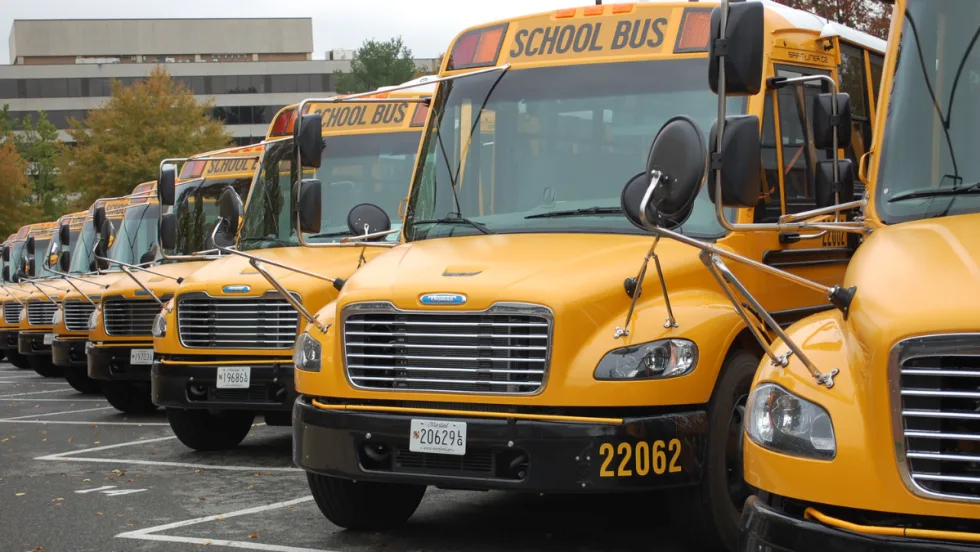
Fewer Electric School Bus Models Reshape the U.S. Market
WRI’s latest buyer’s guide points to a consolidating electric school bus market, but fewer options may reflect a maturing industry rather than fewer meaningful choices for school bus operators.
Read More →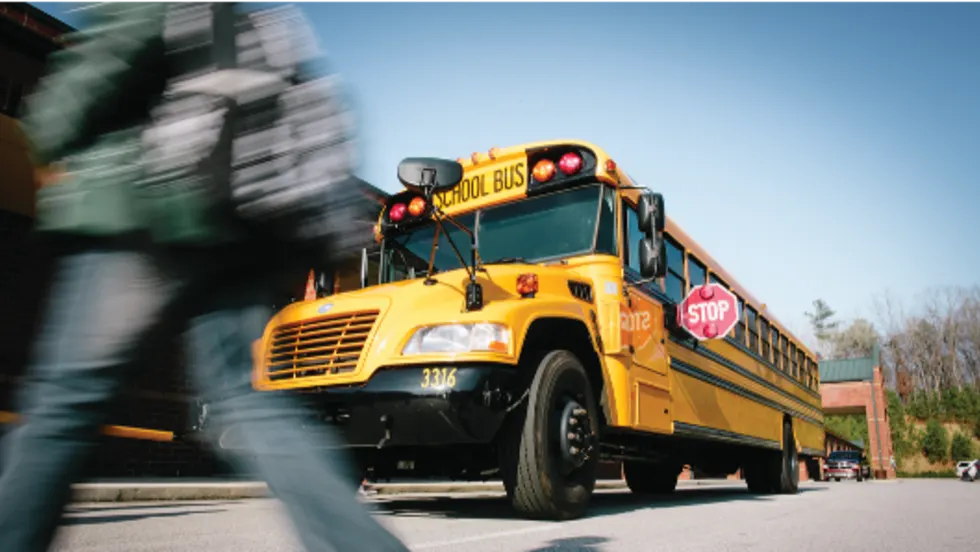
The Fuel Budget You Can Actually Predict: How Propane Autogas Keeps Money in the Classroom
Learn how propane autogas helps school districts manage fuel costs with predictable pricing, lower maintenance, and reduced emissions from former transportation director Joel Stutheit.
Read More →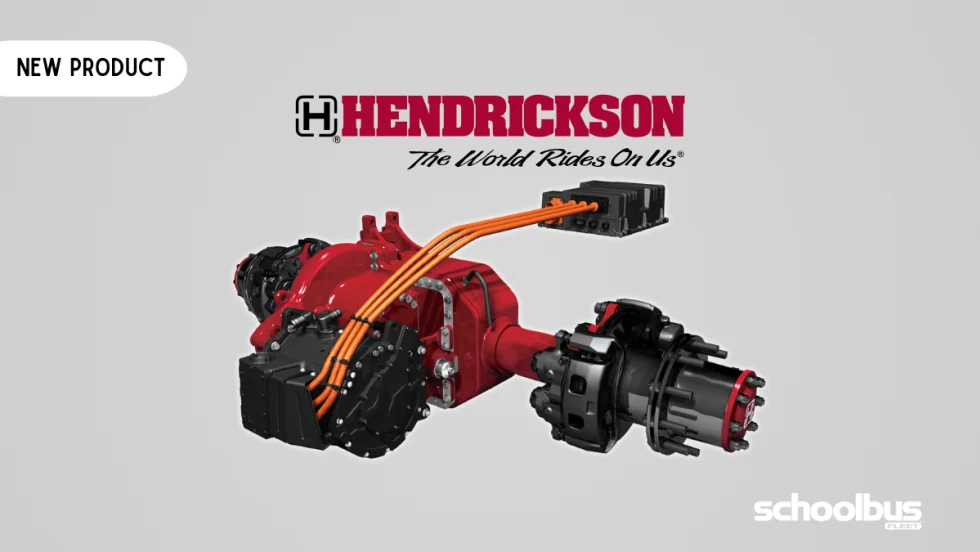
Hendrickson, Driventic Introduce New Electric Powertrain for School Buses
ELECTRAAX, the electrified, lightweight drive axle offers integrated ePowertrain efficiency and modular flexibility for Class 6–7 school bus use.
Read More →
The Mobility House Joins PowerFlex in Fleet Electrification Deal
The acquisition combines intelligent charging software, bidirectional charging expertise, and fleet electrification services to support the growing adoption of electric school buses across North America.
Read More →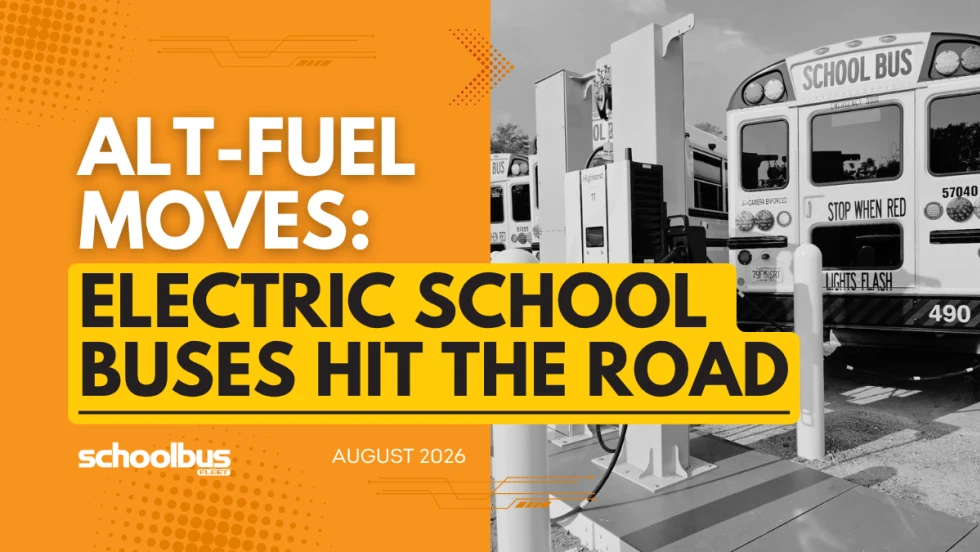
Alt-Fuel Moves: Electric School Bus Investments Hit the Road
See which districts across the U.S. are putting electric school buses into service, expanding charging infrastructure, and planning the next phase of fleet electrification.
Read More →